The Quick Service Restaurant (QSR) industry, a vibrant and ever-evolving segment of the modern food sector, is witnessing a significant transformation, driven by technological advancements.
Renowned QSR brands like McDonald’s, Starbucks, and Chick-Fil-A have revolutionized the way we consume food, emphasizing efficiency in service and efficient customer journey management.
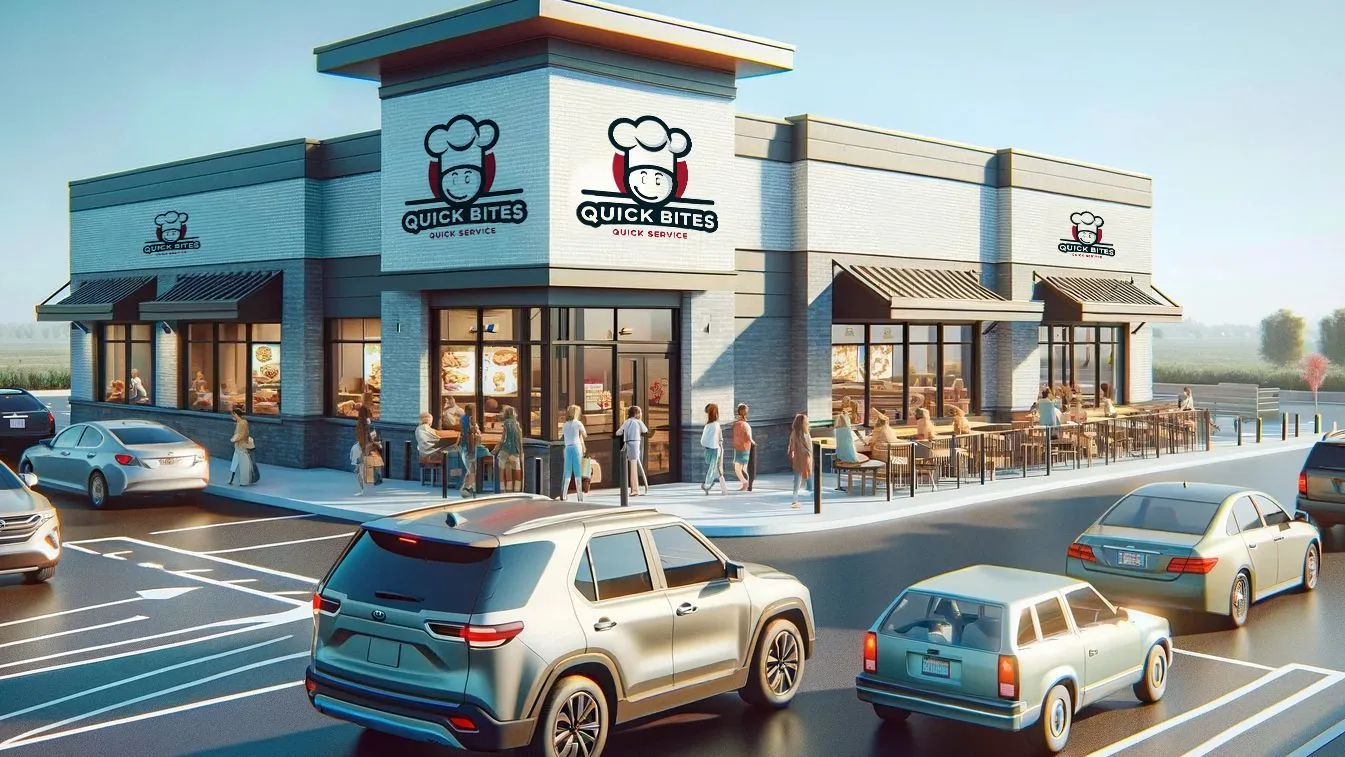
These establishments typically encompass both indoor and outdoor spaces, including drive-thrus, dine-in areas, and takeaway counters. Therefore, there are different physical areas that must be detected, monitored, and improved in order to offer the best customer experience.
Enhancing efficiency and optimizing the customer experience are of utmost importance in driving revenue growth. Consequently, Quick Service Restaurants (QSRs) are progressively embracing innovative solutions to maintain their competitive edge.
Cutting-edge People flow monitoring and Vehicle traffic analytics technologies provide invaluable insights into both customer behavior and operational dynamics, enabling QSRs to make informed decisions and continually improve their performance.
Historically, the QSR industry has been at the forefront of adopting technological innovations, from the introduction of fast-food automation to the recent surge in digital ordering systems.
The current trend emphasizes not just on operational efficiency but also enhancing customer satisfaction through through smart queue management.
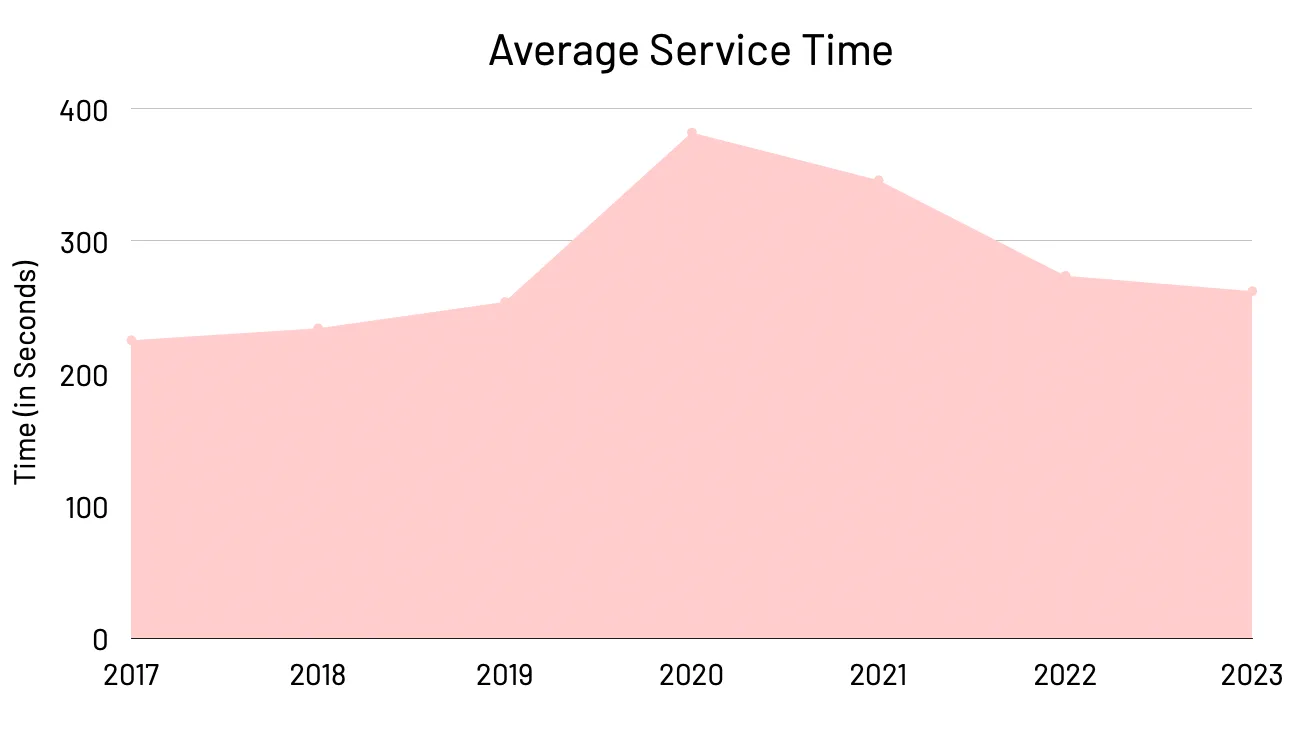
Chart of average service time, in seconds, over the years
The integration of sophisticated technologies like LiDAR-based Software Solutions is taking this technological evolution a step further.
LiDAR’s ability to provide real-time, accurate data is empowering QSRs to reimagine the way they interact with customers and manage their operations.
The QSR industry, which caters to 50 million Americans (15% of the population) daily, is a cornerstone of the food sector. In 2023, the industry saw a notable improvement in overall service, with wait times reduced by an average of 4 seconds.
Despite this, customer expectations continue to soar, with 27% expecting orders to be ready within 2-3 minutes and 42% considering 5 minutes as the maximum acceptable wait time. This growing demand for speed has led a third of diners to switch to fast food, primarily due to wait times.
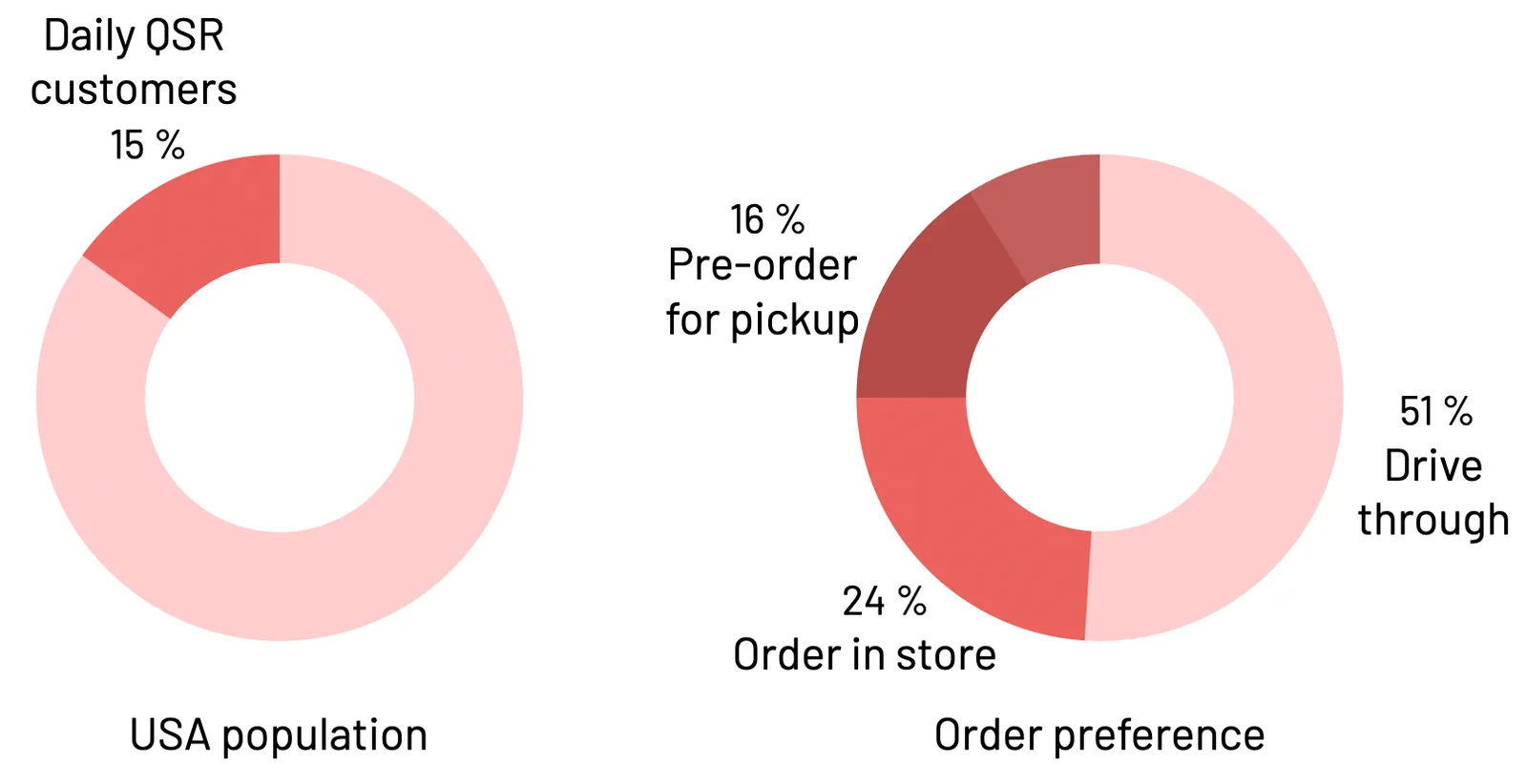
QSRs face challenges in managing high customer traffic, maintaining service quality, and optimizing operational efficiency.
Challenges Faced by QSRs
- High Customer Footfall Management: One of the primary challenges for QSRs is managing the high volume of customers, especially during peak hours. This includes efficiently handling queues and ensuring fast service to avoid long wait times.
- Order Accuracy and Speed: Ensuring quick and accurate order fulfillment is crucial. Mistakes in orders or delays can significantly impact customer satisfaction and brand reputation.
- Space Utilization and Layout Efficiency: Efficient use of space, both in dining areas and in drive-thru lanes, is essential. Poor layout design can lead to bottlenecks and reduced operational efficiency.
- Adherence to Safety Standards: Maintaining high standards of hygiene and safety, especially in post-pandemic scenarios, is critical for customer trust and loyalty.
- Dynamic Inventory Management: Keeping track of inventory and dynamically adjusting based on real-time demand helps reduce waste and ensure the availability of popular items.
LiDAR as a Solution for QSR
LiDAR employs pulsed laser light to precisely gauge distances, resulting in the creation of precise 3D renderings of the scanned surroundings.
This collected data can then be interpreted by specialized software, Outsight’s Spatial Intelligence Platform, to accurately determine object positions and movements with exceptional precision.
In the context of QSRs, LiDAR provides invaluable data about customer flow, behavior patterns, and asset utilization, paving the way for enhanced operational efficiency and customer experiences.
Understanding How Lidar Works
3D LiDAR is a complex technology that enables unprecedented Spatial Intelligence. Many engineering choices are possible when building a new device.
Read article →

Benefits of a LiDAR-based solution in QSR
- Customer Flow Management: LiDAR technology helps monitor and manage customer flow through accurate tracking and analysis provided by the right processing software. By understanding customer movements and behavior patterns, QSRs can optimize layout designs for better service delivery.
- Queue Management and Reduced Wait Times: LiDAR-based monitoring solutions assist in efficiently managing queues, both inside the restaurant and at drive-thru lanes. The most advanced software platforms can help identify crowded areas and potential bottlenecks, enabling staff to react quickly and reduce customer wait times.
- Safety and Compliance: Maintaining safety standards is crucial. Using collected data, it’s now possible to monitor and precisely manage crowd density, ensuring compliance with the most rigorous health and safety regulations.
- Asset Optimization: The use of assets such as self-service kiosks and digital menus can be optimized thanks to precise insight on usage patterns and customer interactions.
- Staff Flow and Optimization: Utilizing people flow management software like Outsight’s Spatial Intelligence Platform and optimizing asset uses, staff-dedicated areas such as restaurant’s kitchens can be improved when looking at average movements and positions inside a defined space.
Implementing LiDAR in QSRs
The implementation of LiDAR in QSRs involves installing sensors at strategic locations, both indoors and outdoors, to capture real-time data on people and asset movements.
This data is processed through software solutions like our LiDAR software, Shift, which provides actionable insights for enhancing operations.
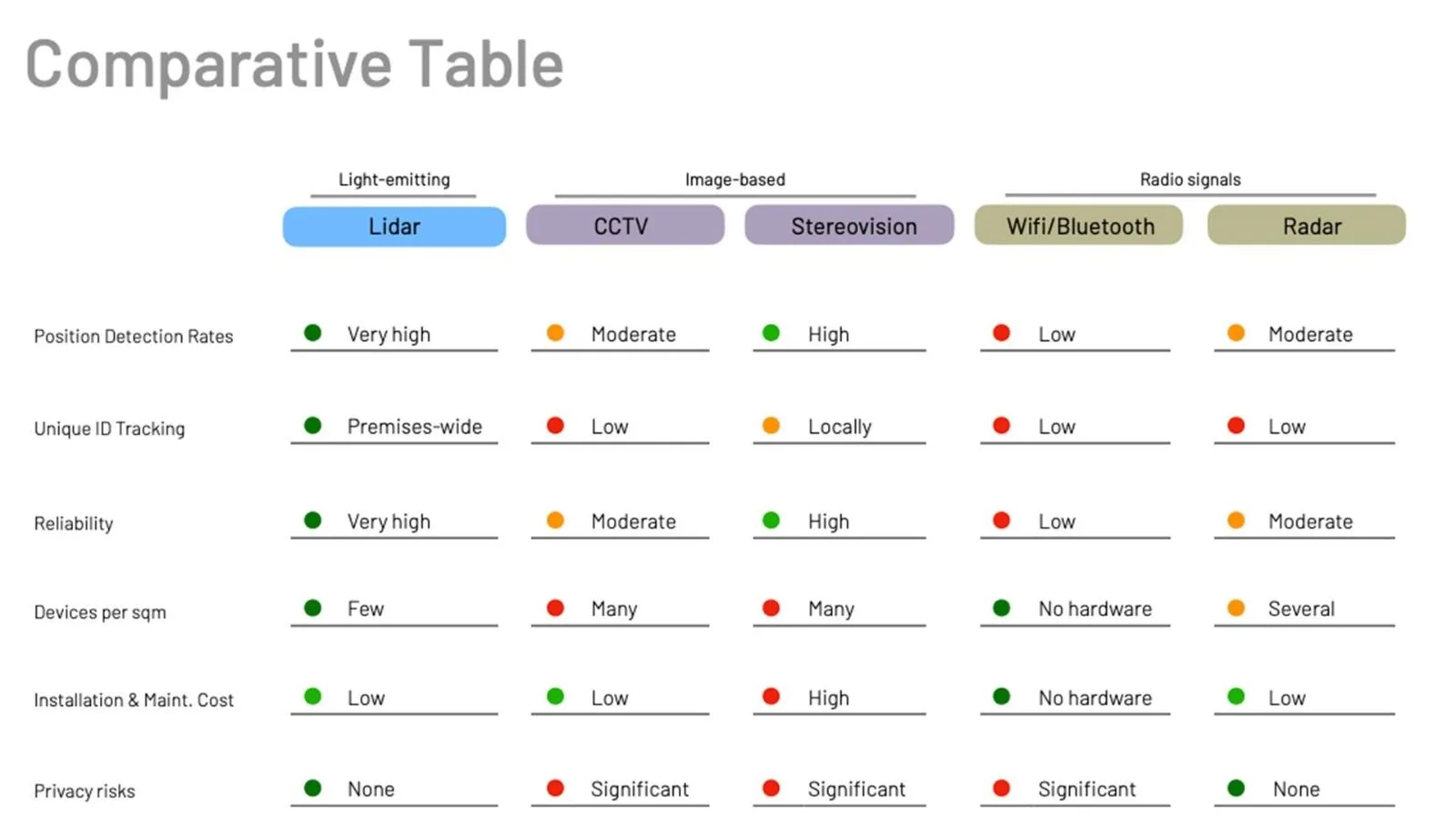
See the rest of this table in our People Counting Technologies Comparative Guide
Outsight’s Spatial Intelligence Platform stands out as a leading solution in the field of people flow monitoring. It combines real-time 3D perception with actionable analytics to offer comprehensive insights into customer movement tracking and queue management.
Shift Perception utilizes advanced algorithms to track each person within the LiDAR-covered area, offering unique identification and trajectory data. The Edge Processing module enhances real-time data execution and processing efficiency and feeds the Analytics’ module.
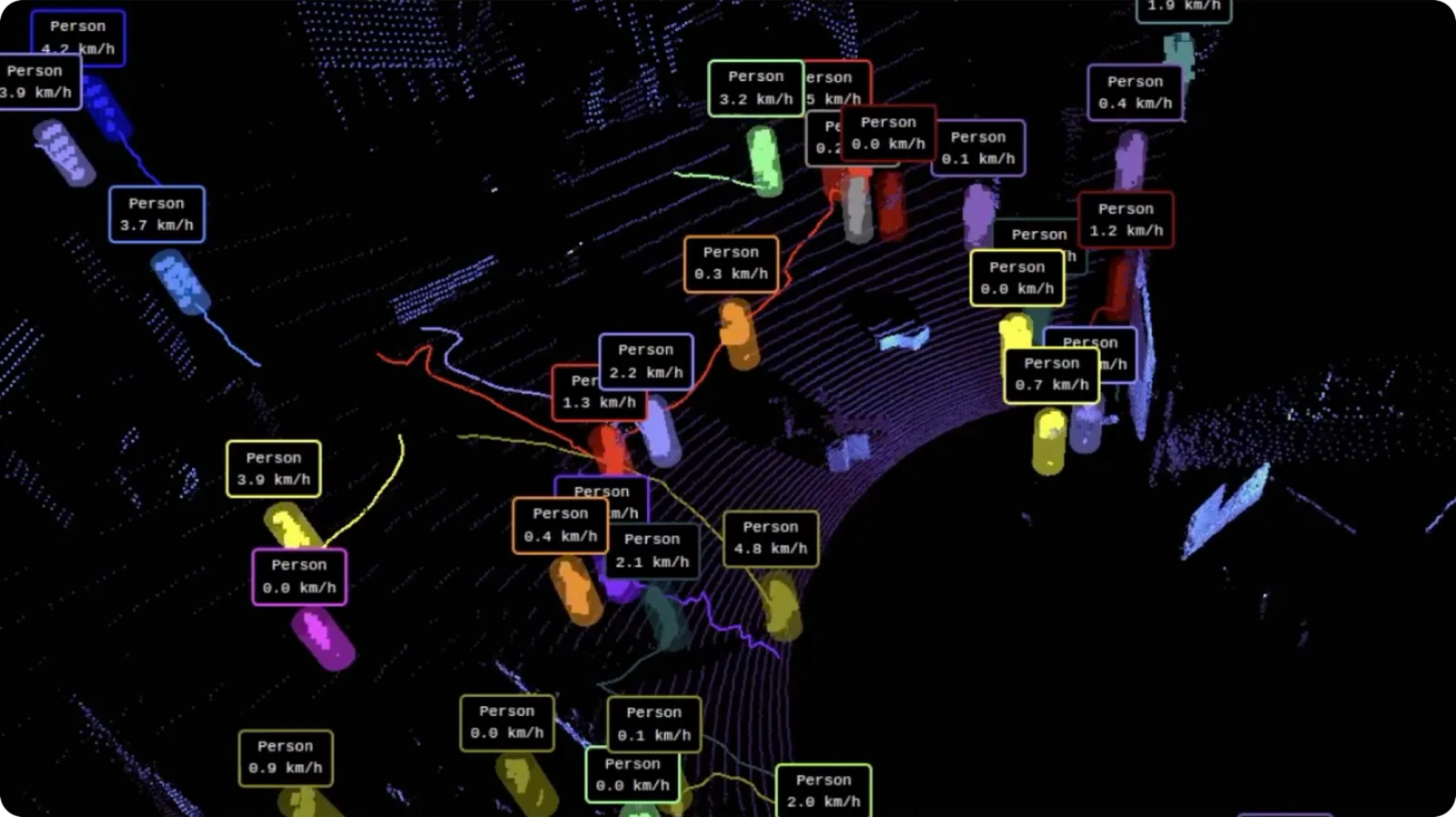
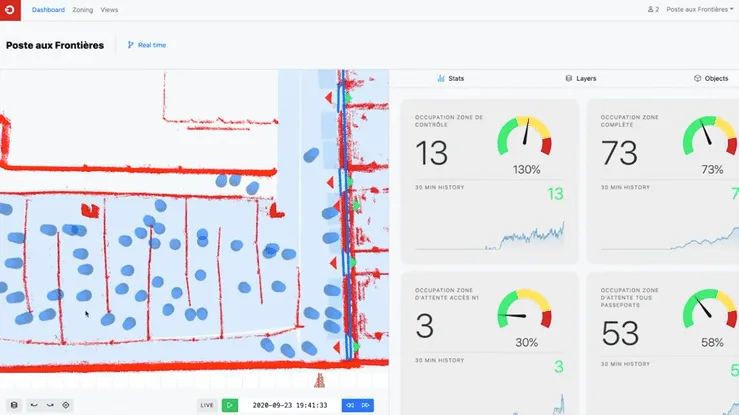
Shift Analytics’ real-time visualization and dashboard allow QSR managers to make informed decisions on the fly.
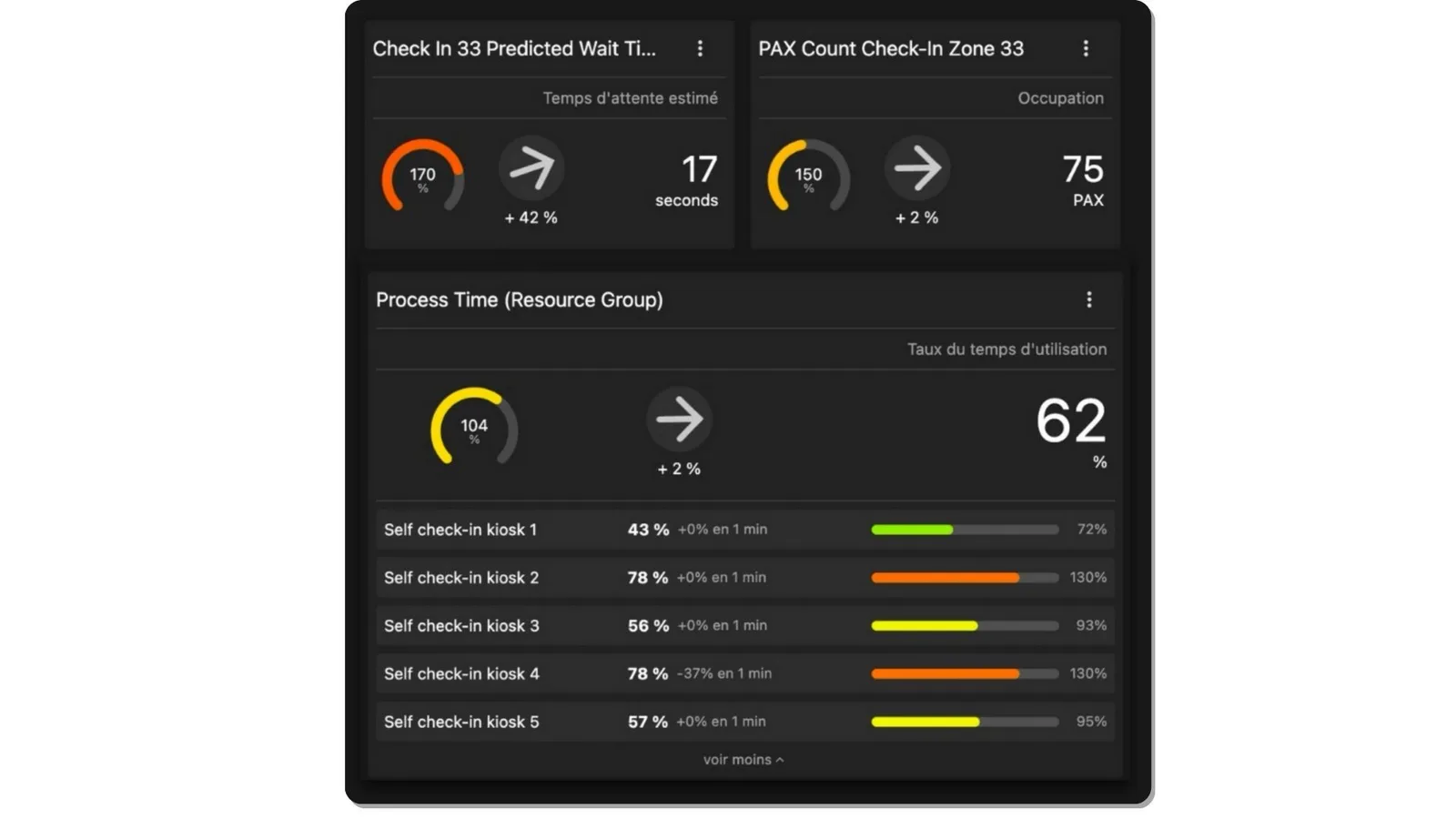
Its Supervision module continuously monitors the health and proper operation of the solution, ensuring reliability and efficiency.
Key Performance Indicators, such as people occupancy in zones and queues, resource occupancy time, and waiting times, are instrumental in gauging operational efficiency.
These KPIs provide real-time insights into customer behavior and resource utilization, enabling QSRs to tailor their strategies for maximum impact.
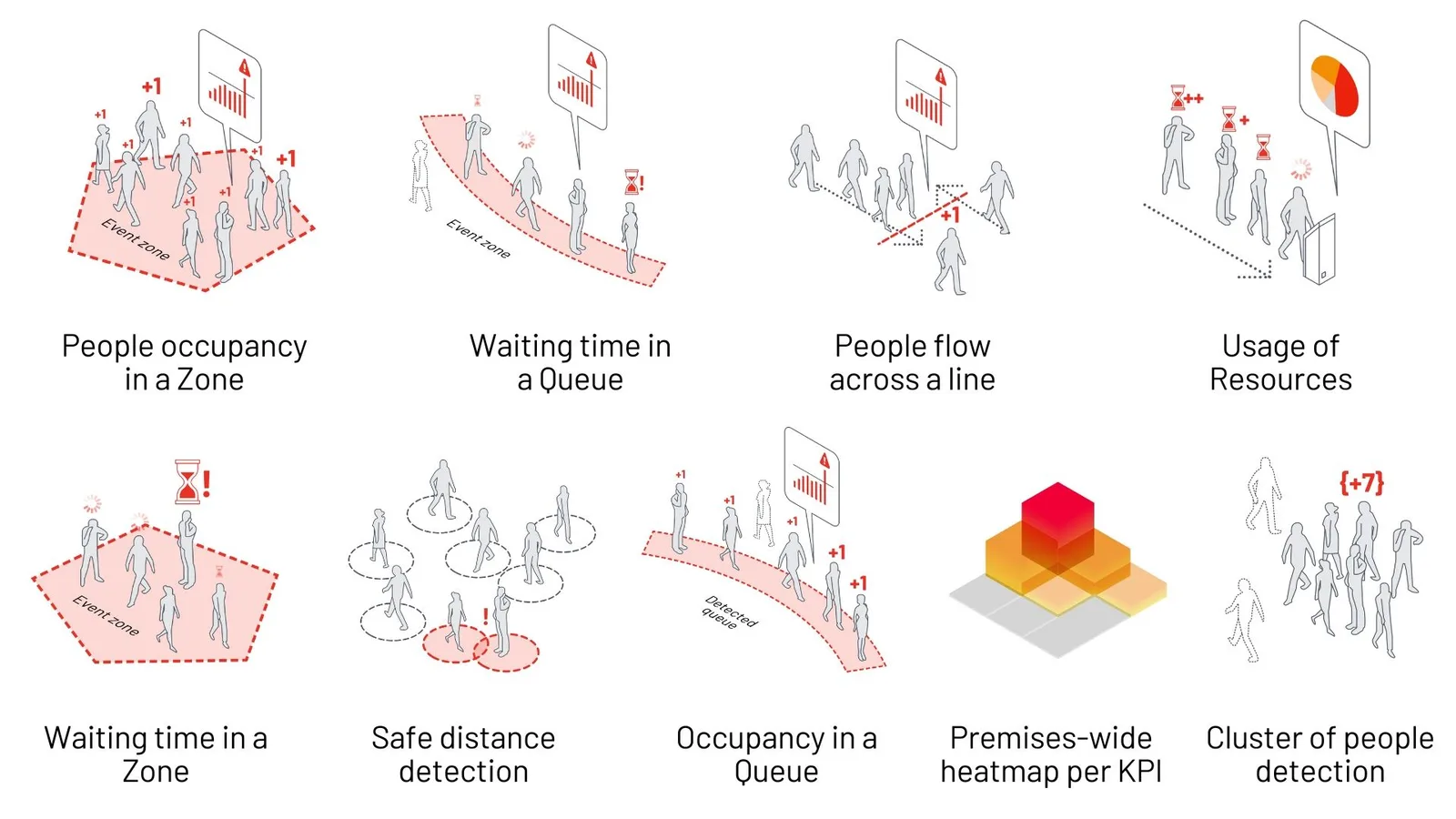
This system not only tracks current trends but also allows for historical data analysis, aiding in long-term strategic planning.
The Future of LiDAR in QSR
The future of LiDAR-based Solutions in QSR looks promising, with potential applications expanding as the technology evolves.
The data-driven insights offered by LiDAR Software can revolutionize operational strategies, leading to smarter, more efficient, and deeply customer-focused service models.
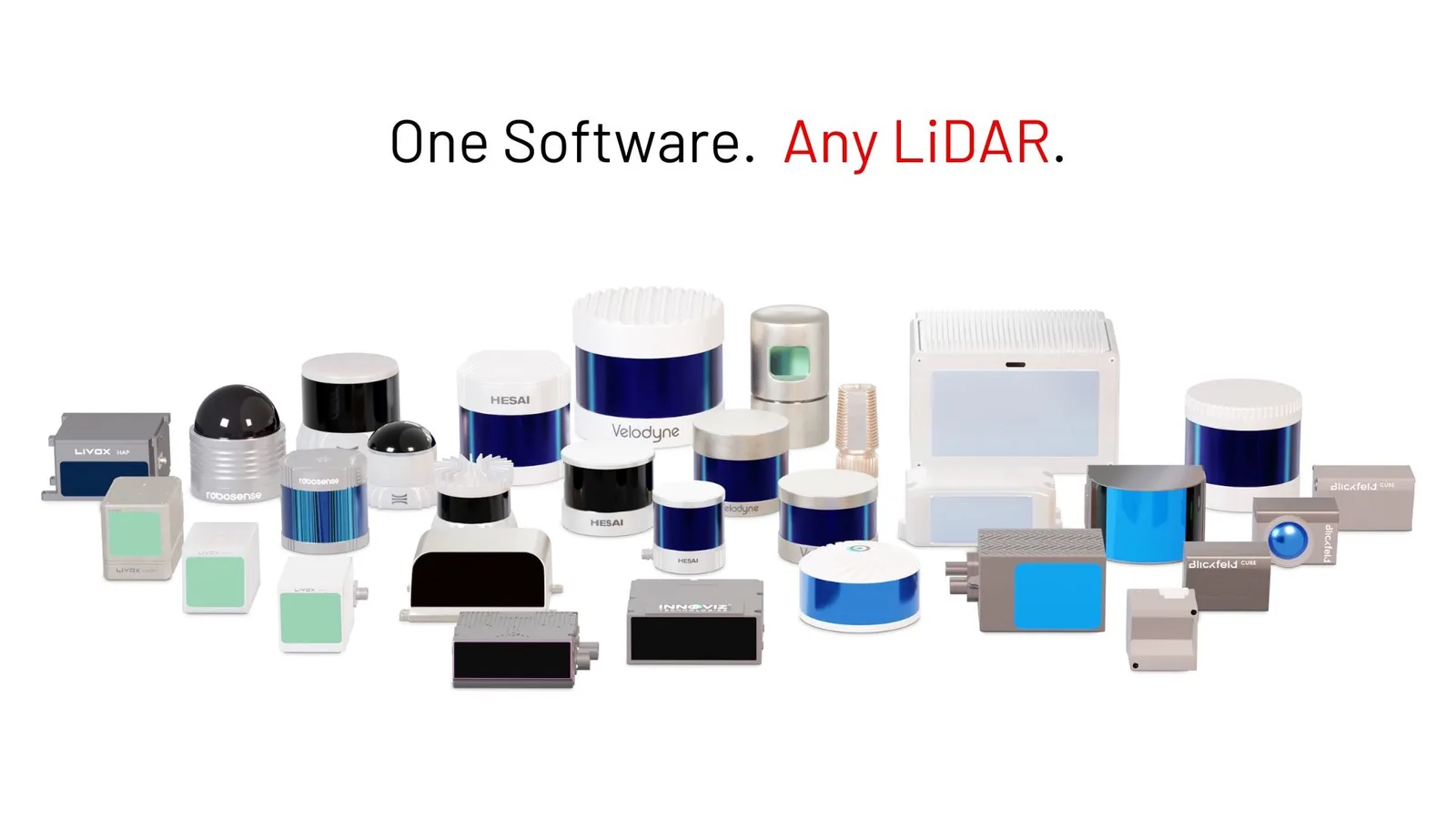
Outsight’s hardware-agnostic design and integration capabilities with existing IT systems ensure a smooth and scalable deployment.
This exciting evolution signifies a pivotal move towards an era where QSRs can take customer service to new heights and solidify their dominance in the competitive landscape of the food service sector.
Top LiDAR Benefits for Public Spaces
Discover the benefits of LiDAR technology in public spaces: people counting, anonymity, public safety, easy installation, and error-free data.
Read article →