Skip to content
Insights
People Counting and Monitoring for airports

Essential Strategies for Seamless Airport Journeys

Friction-less airport travel is now possible thanks to LiDAR-enabled computer vision. It offers comprehensive monitoring of people and vehicles from curbside to gate.


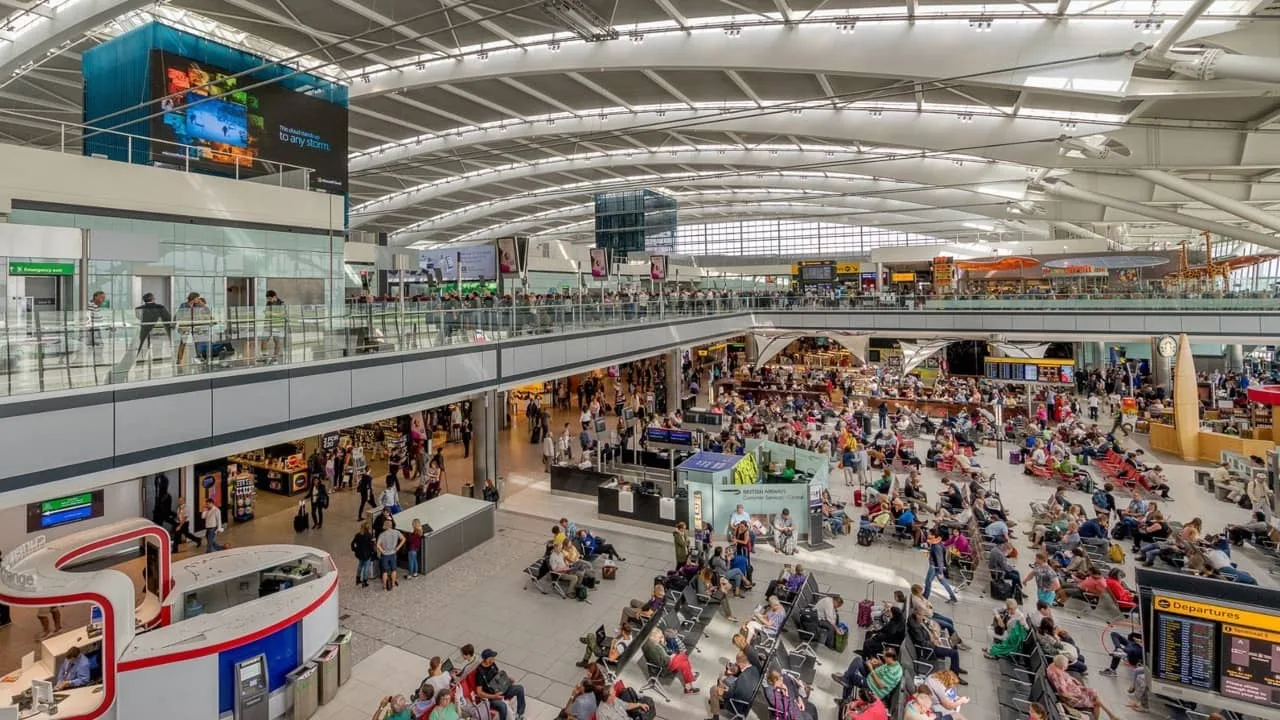
Airports worldwide are on a journey to achieve excellence by embracing cutting-edge technologies to amplify operational efficiency, bolster safety measures, and enrich passenger experience.

The integration of one such transformative technology that is being widely used is 3D LiDARs which is revolutionising the landscape of airport operations management.

6 Key Benefits of LiDARs for Airports

LiDAR technology and Software is shaping a new wave of operational excellence, passenger experience and safety for airports of all sizes.

Read article →

Here are four critical strategies that are steering airports towards streamlined and efficient operations :

  1. Intelligent People Tracking and Queue Management Systems

By using Spatial Intelligence technology, airports can achieve comprehensive situational awareness and continuous, multi-level tracking.

This technology extends beyond mere identification and tracking of individuals; it delves into analyzing movement patterns, thus providing a comprehensive overview of the passenger’s airport journey.

It also automatically recognizes queue formations of any shape, monitors passenger flow, and precisely calculates waiting times and occupancy rates in key areas.
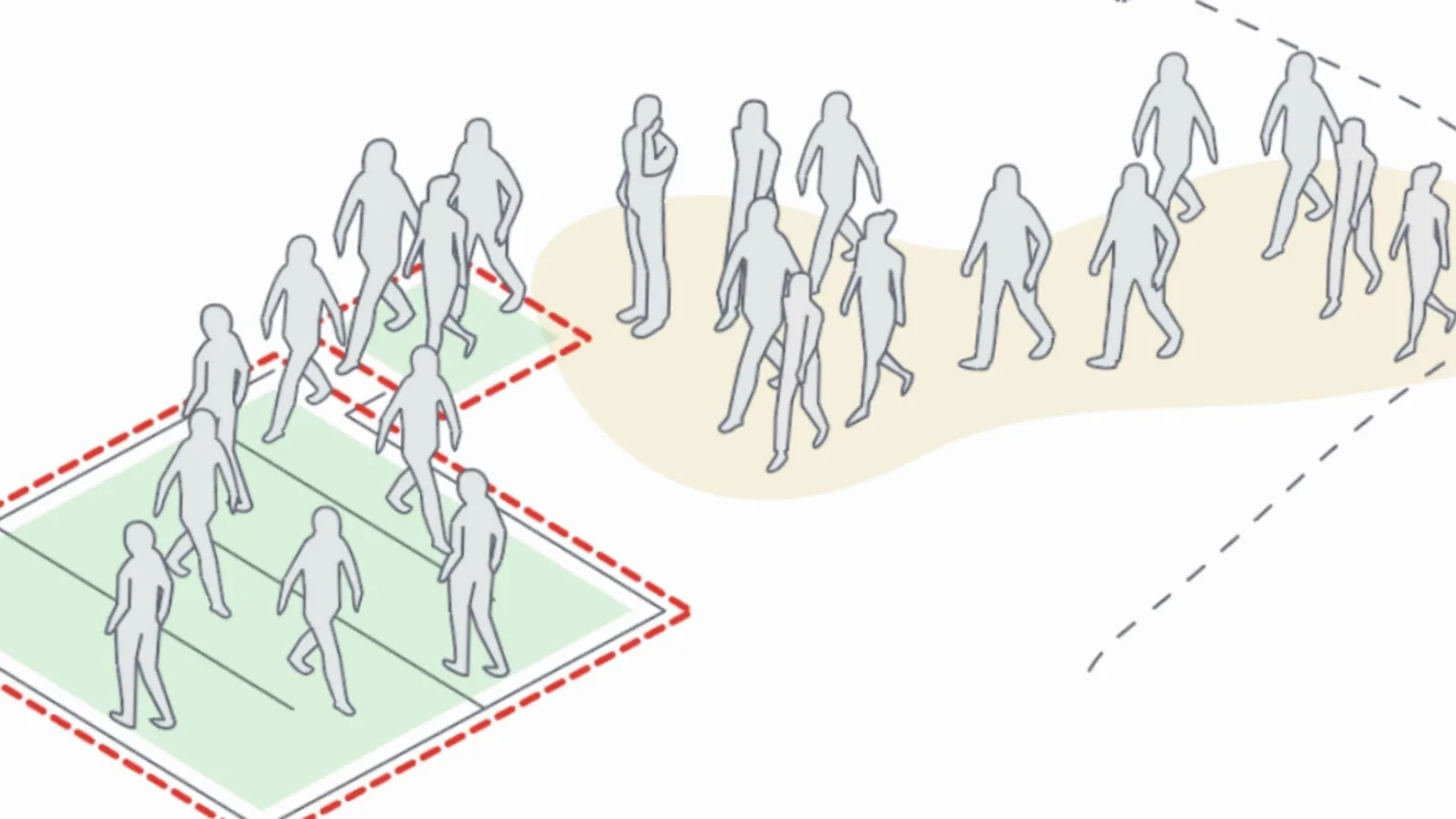
Spatial AI Technology can recognise unorganised queue formations
  1. Data driven Layout Optimisation

By utilizing insights from 3D LiDAR data, airports are already strategically redesigning their layouts to streamline passenger movement and maximize space utilization.

This data-driven approach allows for the optimization of terminal layouts and provide more visibility to retail zones, leading to an increase in Non Aeronautical Revenues.

The recent Airport Service Quality (ASQ) Survey indicated a positive correlation between Passenger satisfaction and Non Aeronautical Revenues.
For every 1% increase in passenger satisfaction, airports experience an increase of 1.5% in NAR on average.

  1. Alleviate congestion through Curbside Monitoring

Through the strategic deployment of LiDAR technology, which requires fewer sensors to cover extensive areas and works perfectly in outdoor situations, airports can ensure a fluid transition of passengers and vehicles at key points, such as drop-offs and pick-ups.

This solution aids in preventing congestion, enhancing the efficiency of curbside operations, and significantly improving the passenger experience from the moment of arrival.
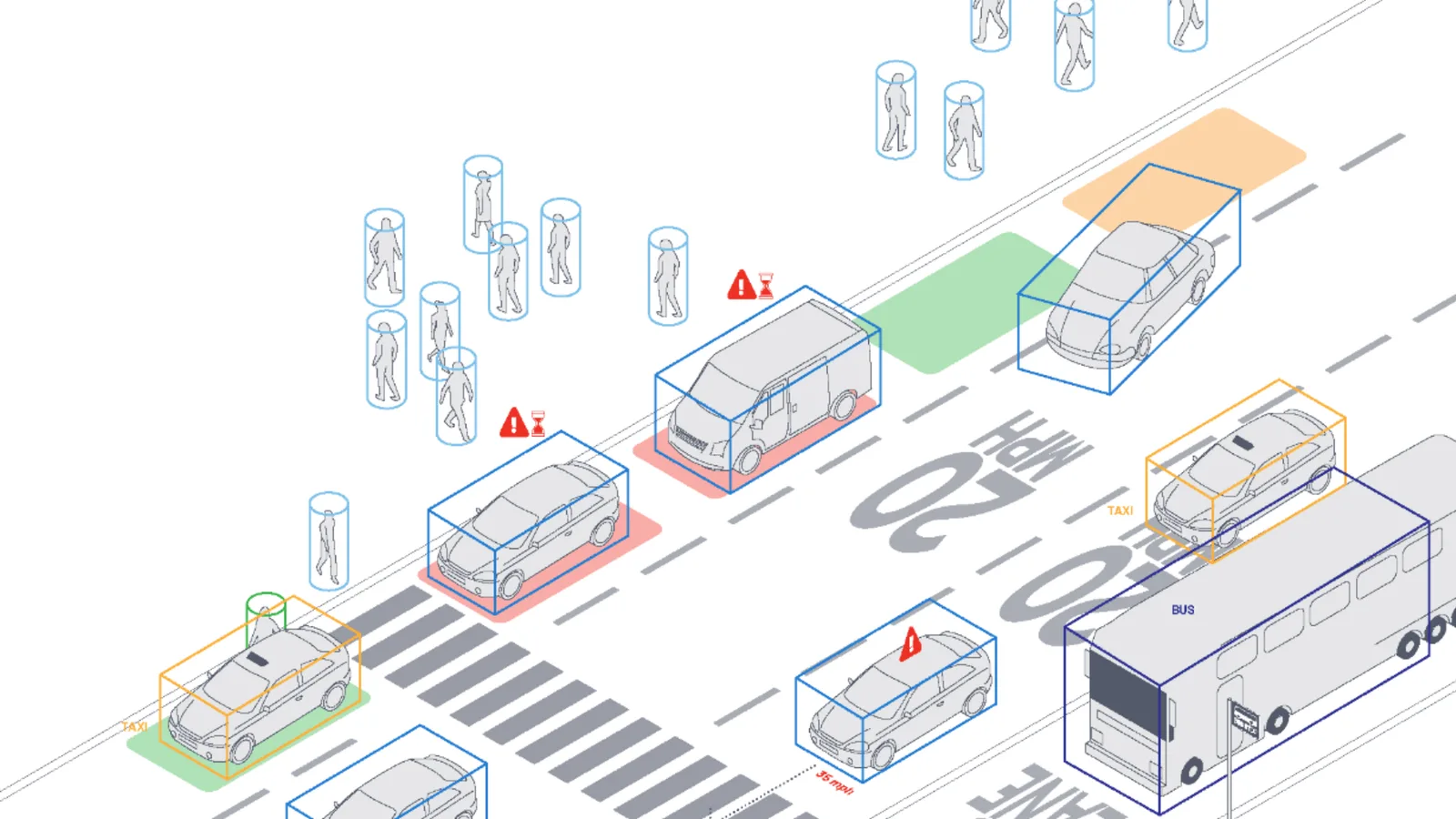
LiDAR Technology for Curbside Monitoring outside the terminal
  1. Leverage Real-Time Data for Strategic Resource Deployment

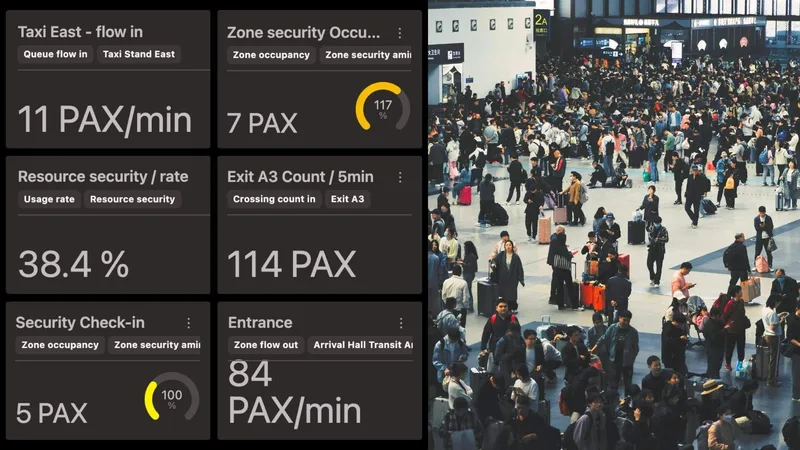
The most advanced LiDAR-based Software Platforms like Outsight not only track the movement of people and vehicles but also the usage of resources.

Outsight's Spatial AI Software to track usage of resources at airports

Armed with real-time 3D LiDAR insights into passenger flows and operational requirements especially during peak hours, airports can now allocate their resources with unprecedented precision.

Outsight’s Spatial Intelligence Platform enables airports to respond quicker especially during peak hours ensuring optimal operational performance and a seamless experience for travelers.

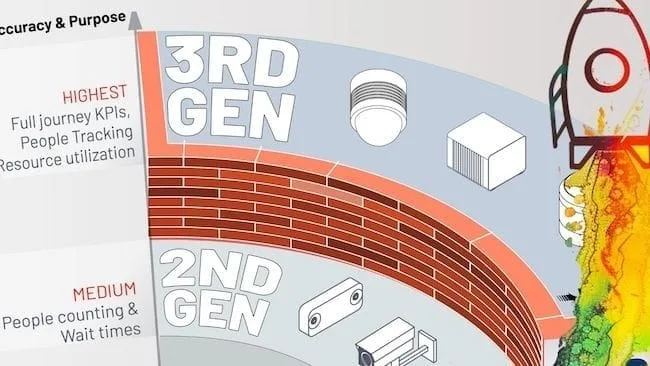
LiDAR is the third generation of people flow monitoring solutions. This technology goes beyond simply estimating wait times; it tracks individuals and analyzes movement patterns, providing a comprehensive overview of passengers’ journeys through the airport.

Meet the 3rd Generation of People Counting Technology

Mirroring the technological evolution seen across various industries, People Tracking and Counting Technologies have already entered their third generation.

Read article →
These four strategies are instrumental in not just optimizing current operations but also in preparing airports to navigate future challenges and seize emerging opportunities.

By leveraging Outsight’s Solutions, airports all over the world are already surpassing traditional benchmarks and setting new standards for safety, efficiency, and passenger satisfaction.

Related Articles

AIRPORTS

Aeroporti di Roma to deploy Outsight's Physical AI solution at scale across Rome Fiumicino Airport

Aeroporti di Roma (ADR) is expanding its collaboration with Outsight to a large-scale deployment across almost all Schengen common-use areas at Rome Fiumicino Airport.

CORPORATE

Intel and Outsight Announce Strategic Collaboration to Bring Physical AI–Powered Spatial Intelligence to the Enterprise Edge

Outsight’s Shift platform integrated into Google Distributed Cloud Edge powered by Intel Xeon 6 SoC – Live demonstration at Google Cloud Next 2026

Let's connect

Send us a Message

Drop your email and we'll get back to you as soon as possible.

Frequently Asked Questions

  • How does LiDAR handle unstructured or irregular queue shapes at airport checkpoints?

    Traditional people-counting systems rely on fixed counting lines or predefined zones, which fail when passengers form serpentine or diagonal queues. LiDAR-based tracking detects the spatial footprint of every standing or slow-moving individual in real time, regardless of how the queue bends or branches. The system infers queue boundaries dynamically from the density and velocity of tracked entities rather than from a fixed geometry, so it reports accurate length and wait-time estimates even when queues spill into adjacent areas. Outsight applies this approach at airport scale through its Motional Digital Twin, which builds a continuous 3D model of passenger flow across an entire terminal, from curbside to gate, and has been deployed at major hubs including Dallas Fort Worth and Paris-Charles de Gaulle.

  • Airport Council International's Airport Service Quality survey data shows a measurable relationship between the two metrics: for every one percent increase in passenger satisfaction, airports see an average 1.5 percent increase in non-aeronautical revenues. This figure implies that operational improvements reducing friction, such as shorter security queues, clearer wayfinding, and less curbside congestion, carry a direct commercial return beyond the efficiency gain itself. Infrastructure-based perception systems like Outsight's Motional Digital Twin make this link actionable by giving airport operators real-time visibility into queue lengths, dwell times, and flow bottlenecks across the full terminal journey, from curbside to gate, so interventions can be timed precisely enough to move satisfaction scores in a measurable direction.

  • How does an airport use real-time LiDAR data to adjust staffing during an unexpected surge?

    A LiDAR-based spatial intelligence platform continuously feeds live occupancy and queue depth for every zone in the terminal. When occupancy in a security hall crosses an operator-defined threshold, the system triggers an alert before the queue reaches a length that drives measurable wait-time degradation. Outsight's SHIFT platform applies exactly this logic across major airport deployments, including Dallas Fort Worth and Paris-Charles de Gaulle, processing 3D sensor data through a sub-50ms pipeline so that supervisors receive the signal with enough lead time to open additional lanes or redirect staff from low-activity zones, rather than reacting after the bottleneck has already formed. Because the underlying sensors capture shape and motion rather than faces or biometric data, the monitoring remains anonymous by definition.

  • Why does LiDAR need fewer sensors than cameras to cover a curbside drop-off area?

    A single LiDAR unit emits laser pulses across a wide 3D field of view, measuring the precise position of every person and vehicle within its range at once. Camera-based coverage of the same outdoor curbside area typically requires multiple units with overlapping fields to compensate for occlusions caused by vehicles, pillars, and varying lighting. LiDAR's geometry-based sensing also performs consistently in direct sunlight and at night, removing the need for supplemental lighting infrastructure that camera deployments often require. Outsight applies this sensor efficiency at scale through its infrastructure-based deployments, including curbside and terminal monitoring at airports such as Dallas Fort Worth and Paris-Charles de Gaulle, where fewer LiDAR units cover large open-air zones while generating the real-time 3D data that feeds the Motional Digital Twin.

  • Can the same LiDAR deployment that tracks passenger queues also monitor how retail zones are being used?

    Yes. Because LiDAR tracks every entity continuously across the full sensor footprint, the same underlying data stream supports multiple analytics pipelines simultaneously. Operators can define custom zones of interest, a security hall, a retail corridor, a gate seating area, and derive distinct KPIs for each: dwell time and traffic density for retail concessions, queue length and wait time for checkpoints, and occupancy rates for lounges. No additional sensors are required; the zone definitions are configured in software. This is precisely how Outsight's SHIFT platform operates at large-scale deployments such as Dallas Fort Worth and Paris-Charles de Gaulle, where a single infrastructure-based LiDAR network feeds separate analytics layers covering both passenger flow and commercial zone performance across the terminal.

  • How does tracking resource usage differ from tracking passenger flow in a LiDAR deployment?

    Passenger flow tracking follows the trajectories and behaviors of people moving through the terminal, while resource usage monitoring focuses on fixed or semi-fixed assets: bag drop desks, check-in counters, boarding gates, and ground service equipment. LiDAR can detect whether a counter position is staffed and actively processing passengers, idle, or congested, by reading the spatial relationship between the equipment zone and the entities around it. Outsight's Motional Digital Twin captures both data streams simultaneously from infrastructure-mounted sensors, allowing operators at airports like Paris-Charles de Gaulle and Dallas Fort Worth to correlate service capacity with actual demand rather than relying on scheduled shifts alone.