Skip to content
Insights
Olivier Mercier: senior innovation manager for ADP group

ADP Group Testimonial at CDG

Curious about how LiDAR technology is being utilized in airports? Discover how Groupe ADP implemented our LiDAR software solution.


If you prefer reading:

Olivier Mercier

Senior Innovation Manager

“So LiDAR, sensors emit light to scan the environmental area by measuring the presence of obstacles like walls, like human form, like trolleys, like luggage.“
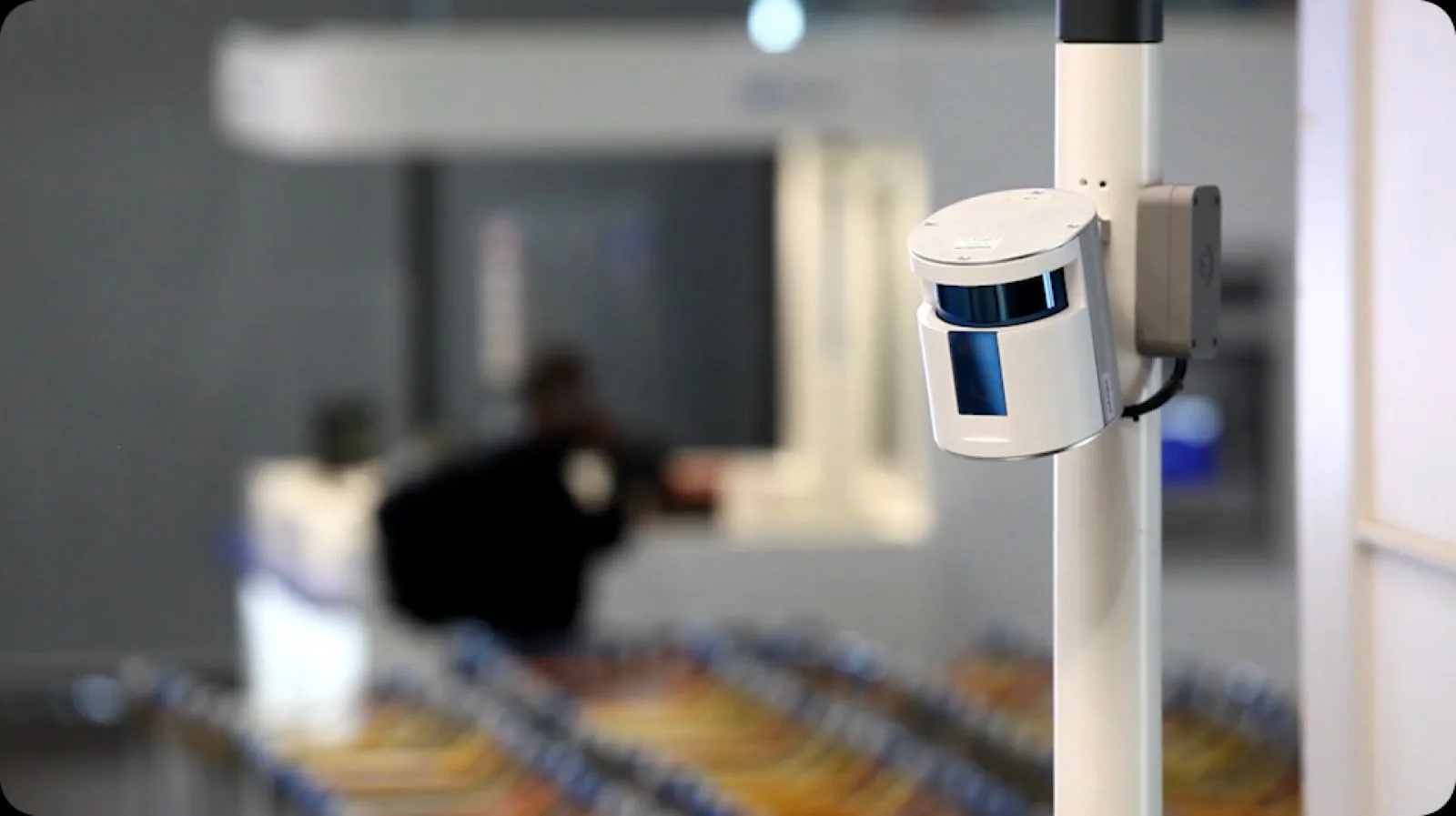
LiDAR sensor monitoring

“By this way, we make fusion of all the sensor data in real time. We can determine the position of human form and make an association with a trolley for example.”
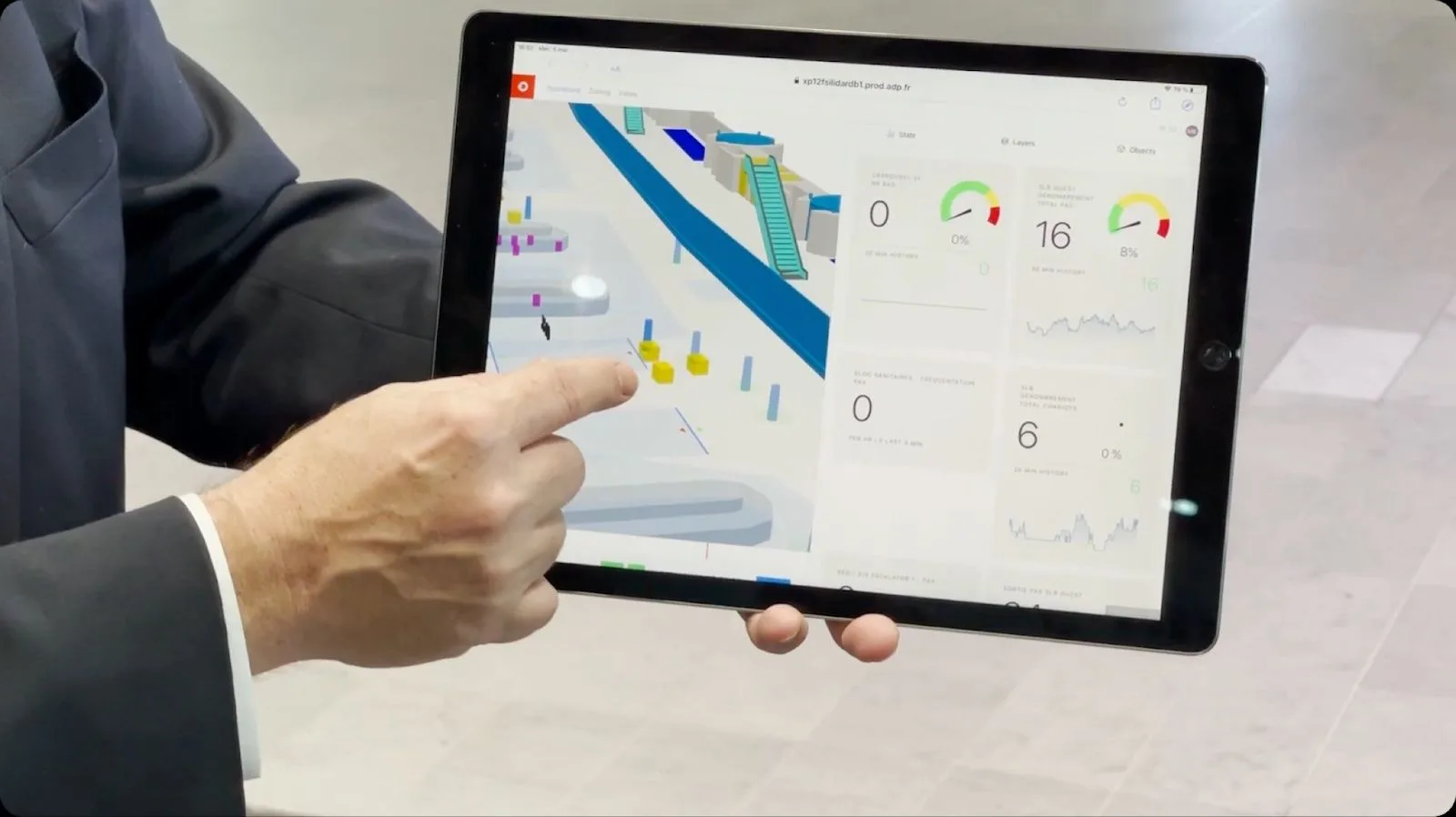
Outsight's LiDAR Software Solutions at Airport

Erwan Le Roux

Project Manager - Airport Operations
Airport operations at CDG

“The LiDAR technology developed by Outsight is a very interesting response to our desire to optimize flow management and improve fluidity and the respect of sanitary measures by the passengers’ whole journey in the terminal.”
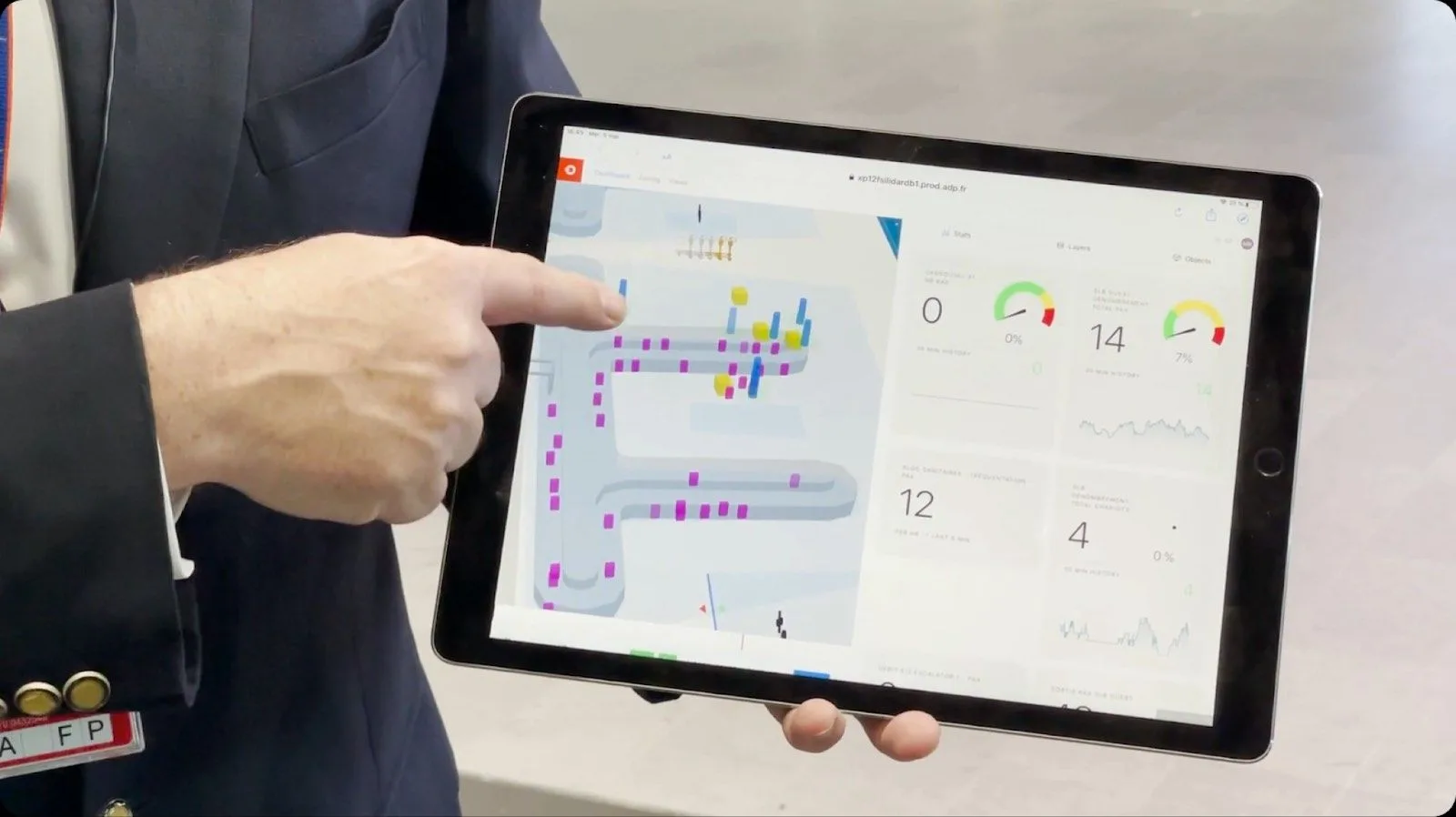
Outsight's LiDAR Perception Software at airport

“And especially here in the baggage claim area. No personal data is collected by the technology, which is strictly compliant with GDPR regulations.

Thanks to the data collected and analyzed we are able to imagine and develop operational actions.”
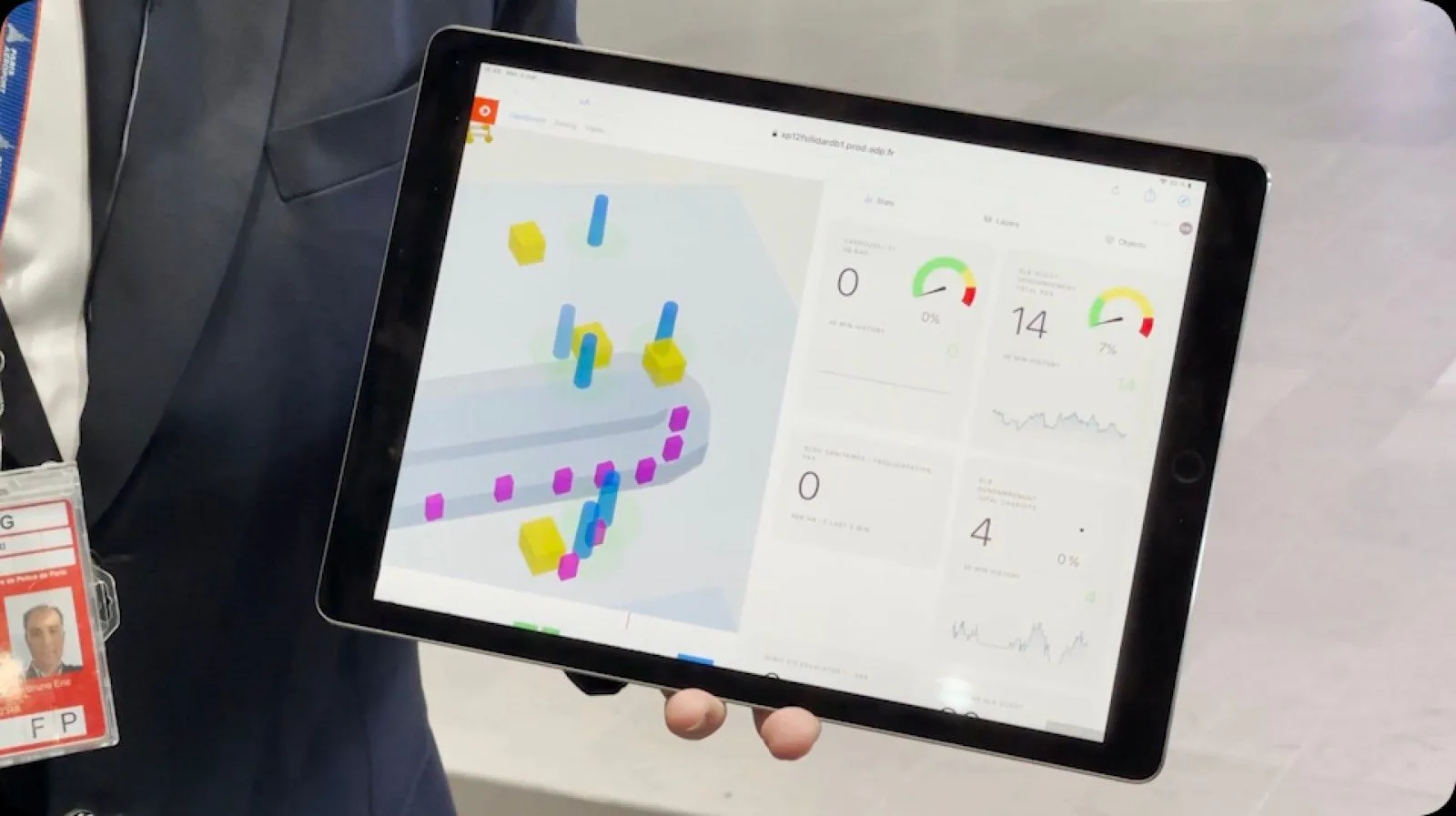
Outsight's 3D Perception Software at airport

“Regarding sanitary measures when an area is crowded the authorized personnel can intervene and invite through audio announcements [the] passengers to respect social distancing and wear a mask.”
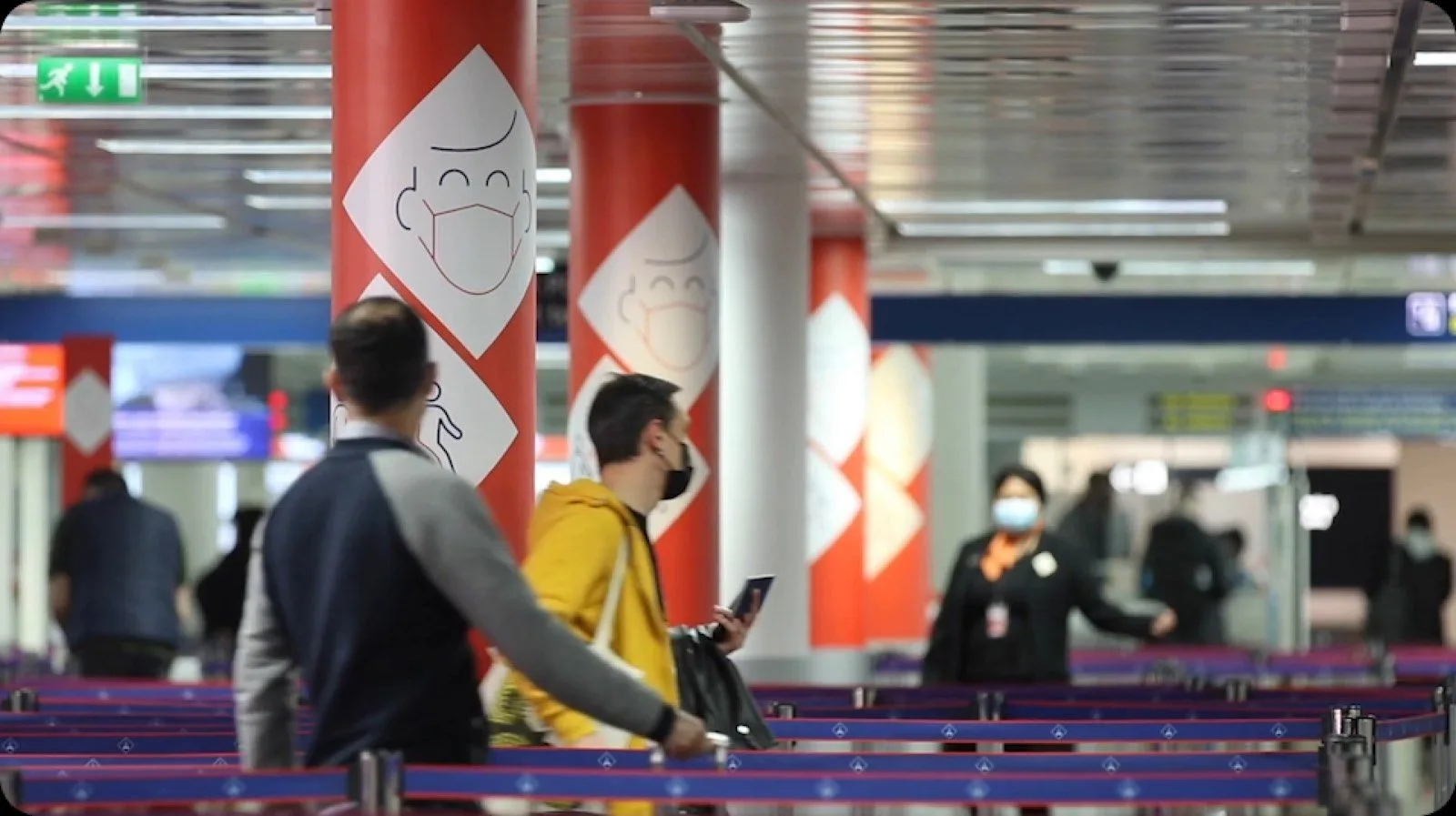
Custom line perfect for LiDAR solutions for Passenger Flow Control

“We can also transpose this type of technology in areas with similar waiting time problematics such as check in areas or border control for example.”

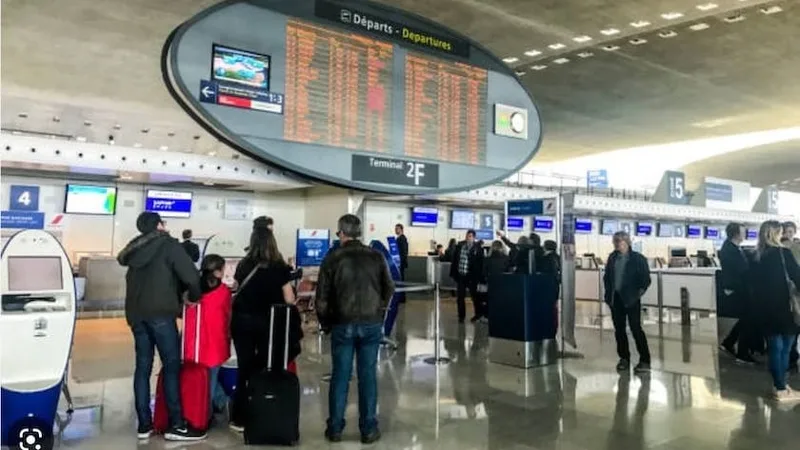

Related Articles

AIRPORTS

Aeroporti di Roma to deploy Outsight's Physical AI solution at scale across Rome Fiumicino Airport

Aeroporti di Roma (ADR) is expanding its collaboration with Outsight to a large-scale deployment across almost all Schengen common-use areas at Rome Fiumicino Airport.

CORPORATE

Intel and Outsight Announce Strategic Collaboration to Bring Physical AI–Powered Spatial Intelligence to the Enterprise Edge

Outsight’s Shift platform integrated into Google Distributed Cloud Edge powered by Intel Xeon 6 SoC – Live demonstration at Google Cloud Next 2026

Let's connect

Send us a Message

Drop your email and we'll get back to you as soon as possible.

Frequently Asked Questions

  • How does LiDAR track passengers through a baggage claim area without collecting personal data?

    LiDAR sensors measure geometry and motion: the shape, position, and velocity of each person and object in the scene. Because the technology captures laser-pulse returns rather than pixels, no face, identity document, or biometric attribute is ever recorded. The result is a stream of anonymous tracked entities, each assigned a temporary unique ID, that satisfies GDPR by structural design rather than by post-processing redaction. This is the approach Outsight applies at Paris-Charles de Gaulle for Groupe ADP, where ceiling-mounted LiDAR sensors feed a real-time Motional Digital Twin of passenger and baggage flow. Baggage claim areas are a practical fit because the enclosed geometry allows full coverage with a small number of infrastructure-mounted sensors, and anonymity is guaranteed at the point of capture, not added afterward.

  • Can LiDAR associate a passenger with their luggage trolley as a combined object?

    Yes. When sensor data from multiple LiDAR units covering the same space is fused into a single 3D point cloud, the perception pipeline can classify each entity by shape and motion profile, distinguishing a pedestrian silhouette from a wheeled trolley immediately adjacent to it. The two can then be linked as a combined tracked unit. Outsight applies this capability at Paris-Charles de Gaulle through its SHIFT platform, where infrastructure-mounted LiDAR sensors build a real-time 3D representation of how passengers and their trolleys move through terminal spaces. This allows operators to measure effective space consumption per passenger more accurately than head-count alone would permit, supporting better crowd flow management and capacity planning.

  • What specific airport zones benefit most from LiDAR-based flow monitoring?

    The highest-value zones are those where dwell time and crowding have direct operational consequences: baggage claim (where passengers are stationary and density builds unpredictably), border control and customs (where queue length drives regulatory compliance), and check-in halls (where staffing decisions depend on real-time demand). At Paris-Charles de Gaulle, Groupe ADP deployed Outsight's LiDAR software across exactly these zone types, using infrastructure-mounted sensors to deliver continuous, anonymous measurement of occupancy and throughput. Each zone has a different spatial footprint and flow pattern, but all share the same need for persistent 3D monitoring rather than periodic manual observation, and LiDAR's ability to capture shape and motion without recording faces or biometric data makes it well suited to the privacy constraints of passenger-facing airport environments.

  • How does a live occupancy alert translate into a real operational action at an airport?

    When occupancy in a monitored zone crosses an operator-defined threshold, the platform triggers an alert to authorized staff, who then broadcast targeted audio announcements or dispatch personnel to redistribute passenger flow. This closes the loop between sensor data and on-the-ground response without any manual monitoring of camera feeds. At Paris-Charles de Gaulle, Groupe ADP implemented this workflow using Outsight's SHIFT platform, where 3D LiDAR sensors feed a real-time occupancy layer that activates operational responses within milliseconds. The same mechanism applies whether the trigger condition is crowd density, a stalled queue, or a sanitary-measure compliance check, and because LiDAR captures shape and motion rather than facial features, the alerts are generated without collecting any biometric data.

  • Does a LiDAR deployment at one terminal zone share data with adjacent zones, or does each sensor work independently?

    Infrastructure-based Physical AI fuses all sensors on a site into a single shared 3D point cloud rather than treating each sensor as a standalone instrument. A tracked entity moving from the baggage carousel toward the customs hall retains its anonymous unique ID across the full journey, allowing end-to-end journey time measurement. This is precisely how Outsight operates at Paris-Charles de Gaulle with Groupe ADP: the SHIFT platform stitches together sensor coverage across terminal zones so operators can correlate bottlenecks across those zones, for instance identifying that congestion at baggage claim is a leading indicator of queue build-up at border control. No zone operates in isolation, and no biometric data is captured in the process.

  • How many LiDAR sensors does it take to cover a large airport terminal?

    The exact count depends on ceiling height, column layout, and required tracking precision, and is determined through simulation before any hardware is purchased. Because infrastructure-based 3D LiDAR fuses overlapping sensor fields into one shared point cloud, each unit contributes to eliminating blind zones for its neighbors, reducing the total sensors needed per square meter compared to 2D approaches. Outsight's SHIFT platform includes a multi-vendor LiDAR simulator that models coverage trade-offs against cost before deployment, so the configuration is validated digitally rather than discovered through trial and error on-site. At Paris-Charles de Gaulle, Groupe ADP applied this methodology to produce a deployment that scales across one of Europe's busiest terminals without over-provisioning hardware.