Introduction
Retail environments are evolving rapidly, driven by the need to better understand shopper behavior within physical stores. As consumer expectations rise, retailers must find innovative ways to enhance operational efficiency, personalize experiences, and increase revenue.
Combining real-time shopper flow insights with advanced technologies such as Physical AI and LiDAR is helping venues achieve these goals.
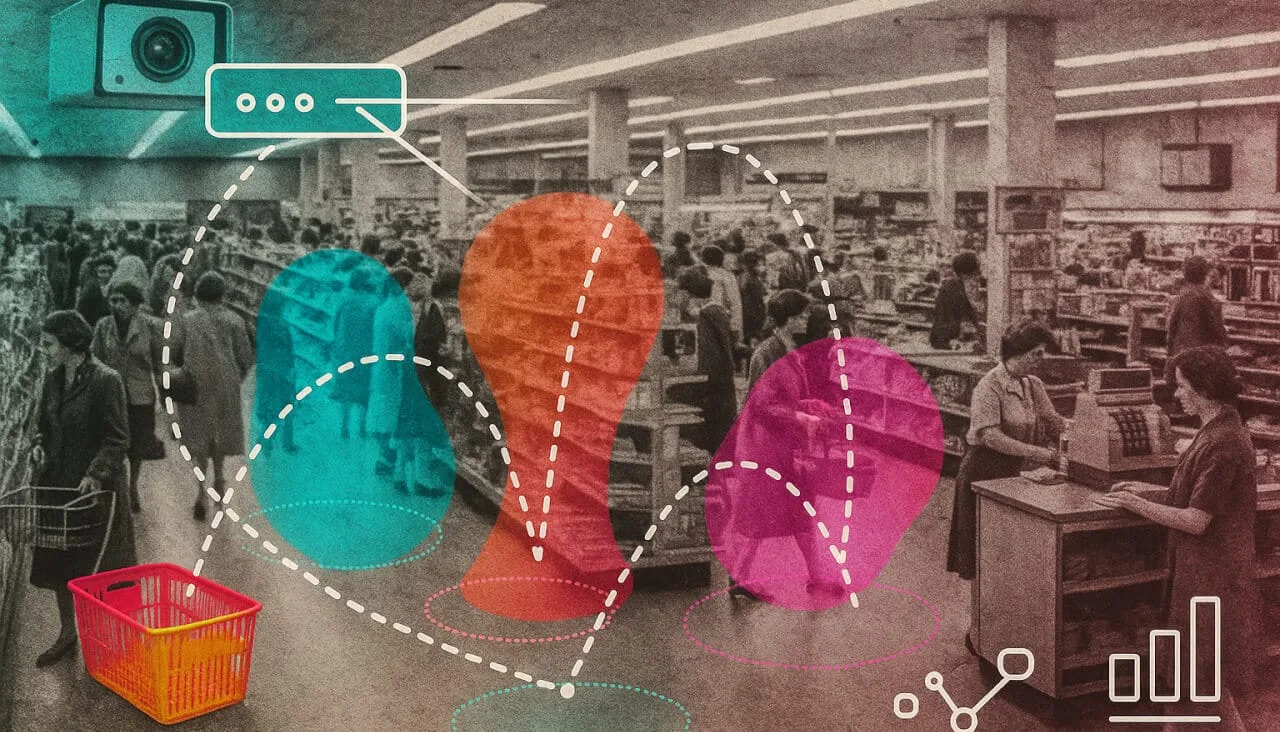
Physical AI uses data from sensors like LiDAR to create a detailed picture of how people move through retail spaces, enabling smarter decisions about layout, staffing, and promotions.
Transforming the Retail Experience with 3D Spatial Intelligence
Outsight’s 3D LiDAR-based Spatial Intelligence helps retailers analyze shopper movement in real time, optimize store layouts, and enable data-driven decisions.
Read article →
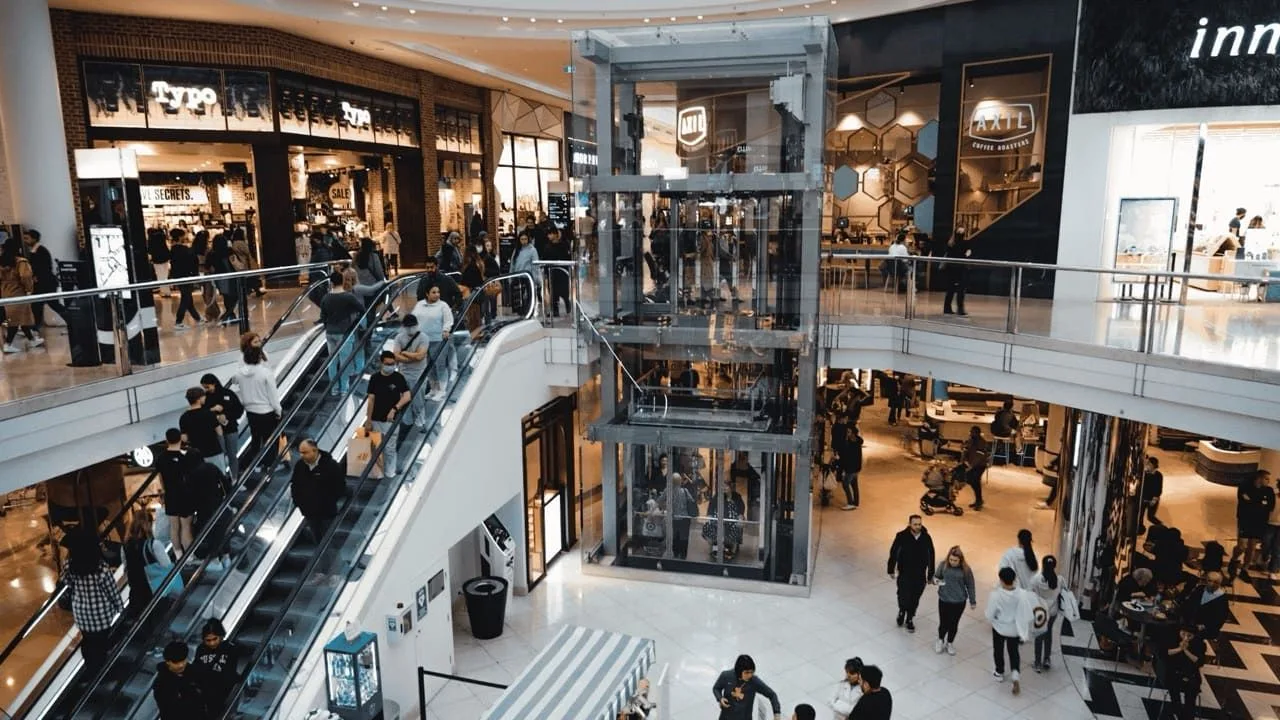
This article explores how modern Spatial Intelligence tools are transforming store footfall analytics by providing actionable insights that bridge the gap between digital data capabilities and traditional brick-and-mortar management.
Challenges in Understanding In-Store Customer Behavior
Many retailers face significant obstacles when trying to grasp how customers interact within their stores. Without clear visibility into movement patterns or dwell times at specific displays, it becomes challenging to optimize layouts or respond effectively to changing shopper needs.
For example, inefficient product placement can lead shoppers to overlook key items. Congested aisles may deter browsing altogether.
Similarly, staff may be positioned far from high-demand areas during peak periods simply because managers lack accurate information on real-time visitor flows.
A study found that nearly 70% of retail managers believe they miss opportunities due to insufficient insight into customer movement inside their stores.
Understanding these challenges is the first step toward building more responsive retail environments that adapt quickly based on actual customer behavior rather than assumptions or incomplete data.
Limitations of Traditional In-Store Analytics Tools
Historically, retailers have relied on tools such as security cameras, Wi-Fi/Bluetooth tracking systems, or point-of-sale (POS) reports for insights into store activity. While each method offers some value, they all come with notable limitations:
- Traditional video surveillance can provide rough estimates but often lacks precision regarding exact paths taken by individuals, and raises privacy concerns if facial recognition is involved.
- Wi-Fi or Bluetooth-based tracking only captures those carrying connected devices who have opted in; this excludes a significant portion of foot traffic.
- POS systems reveal what was purchased but offer no context about why certain products were chosen, or ignored, during a visit.
These gaps make it difficult for decision-makers to gain a holistic view of store footfall trends or accurately measure the impact of changes made within their physical spaces.
Only about 30%–40% of shoppers typically connect their devices in-store; relying solely on digital signals leaves much behavior untracked.
To truly understand customer journeys from entrance through checkout (and everywhere between), more comprehensive solutions are needed, ones that respect privacy while delivering granular detail at scale.
LiDAR and 3D Spatial Intelligence as a Solution
Recent advances in sensing technology have introduced new possibilities for capturing detailed information about movement inside retail venues.
Among these innovations stands out LiDAR (Light Detection And Ranging), originally developed for applications like autonomous vehicles but now increasingly used indoors thanks to its accuracy and reliability.
Understanding the basics of 3D LiDAR Technology
Light Detection and Ranging, also known as LiDAR, is a technology for remote sensing that is used to measure distances in an environment.
Read article →

LiDAR works by emitting pulses of light across an area then measuring reflections back from objects, including people, to build precise three-dimensional maps without recording images or personal identifiers.
This approach enables continuous monitoring while protecting individual privacy, a critical consideration in public settings like shops or malls.
By integrating LiDAR-driven Spatial Intelligence platforms with existing infrastructure:
- Retailers gain access to real-time heatmaps showing where visitors congregate,
- They can identify bottlenecks before they affect sales,
- And test new layouts based on objective behavioral data rather than guesswork alone,
all without compromising customer trust around sensitive information handling practices.
LiDAR provides centimeter-level accuracy when mapping indoor spaces, far surpassing traditional camera-based counting methods.
How does Lidar work? (in detail)
3D LiDAR is a complex technology that enables unprecedented Spatial Intelligence. Many engineering choices are possible when building a new device.
Read article →

This level of detail supports smarter strategies around merchandising placement as well as dynamic responses during busy periods, all grounded firmly in observable reality rather than projections alone.
Benefits for Retailers and Shoppers
Accessing precise real-time analytics transforms not just business operations but also end-user experience within physical stores. With accurate measurement tools powered by Physical AI and robust hardware like LiDAR sensors:
Retailers can:
- Before making any changes related to layout design or promotional campaigns, they’re able to test ideas using live feedback loops generated directly off observed behaviors.
- Staff scheduling becomes more efficient since assignments reflect actual visitor peaks and troughs instead of static historical averages.
- Marketing teams receive concrete evidence regarding which displays attract attention versus those needing improvement.
Shoppers benefit too:
- Navigating less crowded aisles enhances comfort.
- Faster service reduces wait times during busy hours.
- Personalized recommendations become possible when aggregated flow patterns highlight shared interests among different groups.
Elevate Retail Experiences in Airports with 3D Spatial Intelligence
Outsight and E23, a premier provider of retail technology solutions, today announced a strategic partnership aimed at transforming airport retail operations using LiDAR-based Spatial Intelligence.
Read article →
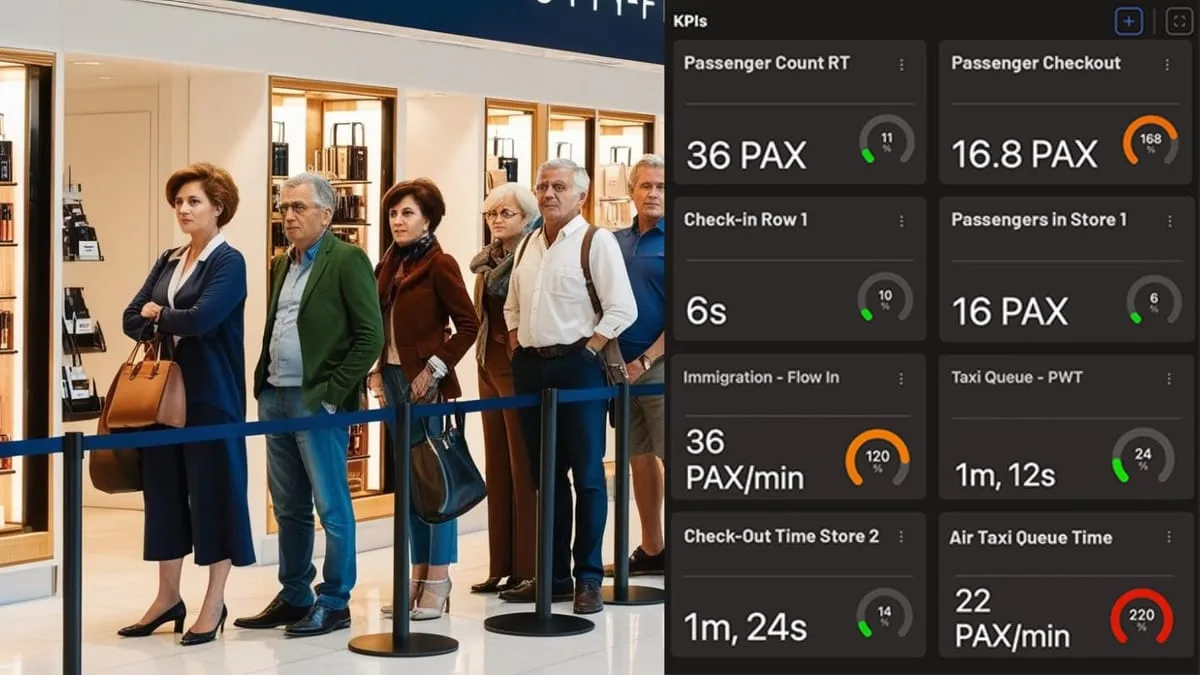
Ultimately, this synergy leads toward higher satisfaction rates alongside measurable improvements against KPIs tied directly back toward increased conversion rates per square meter, a crucial metric given rising competition both online and offline today.
Bridging the Physical-Digital Divide in Retail
Perhaps most importantly, adopting solutions built atop technologies like those offered via Outsight helps close longstanding gaps separating e-commerce-style analytics capabilities from what’s traditionally been available offline only sporadically, if ever before.
By treating every square meter like digital property, with full transparency over usage trends day and night alike, it becomes possible to finally align resource allocation precisely where needed most, whether responding to seasonal surges or special events.
Moreover, scalable deployments mean even multi-site operators maintain consistent standards regardless of local variations encountered regionally, nationally, or internationally, ensuring best practices propagate widely and benefit entire organizations simultaneously, not just isolated pilot locations.
Spatial intelligence brings parity between online clickstream analysis and offline journey mapping, enabling unified strategies spanning every channel.
Outsight Named a Top B2B SaaS Company in Sifted’s 2025 “Rising 100” Report
Recognized as a key innovator in the Sifted B2B SaaS Rising 100, Outsight is celebrated for pioneering the use of Spatial AI and Computer Vision.
Read article →

In summary, bridging divides isn’t merely a technical achievement but a foundational shift empowering everyone involved to maximize outcomes collaboratively, informed always by the latest available evidence gathered responsibly, transparently, and securely throughout the process.
Conclusion: The Future of Store Footfall Analytics with Physical AI and LiDAR
The integration of advanced sensing technologies such as LiDAR, with intelligent software frameworks exemplified by providers including Outsight, is reshaping what’s possible inside modern brick-and-mortar establishments everywhere today.
By moving beyond legacy approaches reliant on partial glimpses and piecemeal datasets toward holistic perspectives grounded in empirical observation delivered instantaneously whenever required, retail leaders unlock unprecedented agility, responsiveness, and adaptability underpinning sustainable growth and long-term success.
With reliable solutions built upon proven technologies like those pioneered by Outsight utilizing advanced hardware including industry-leading LiDAR arrays, the future looks bright indeed wherever maximizing value extracted per incremental unit measured store footfall remains paramount.