Skip to content
Insights
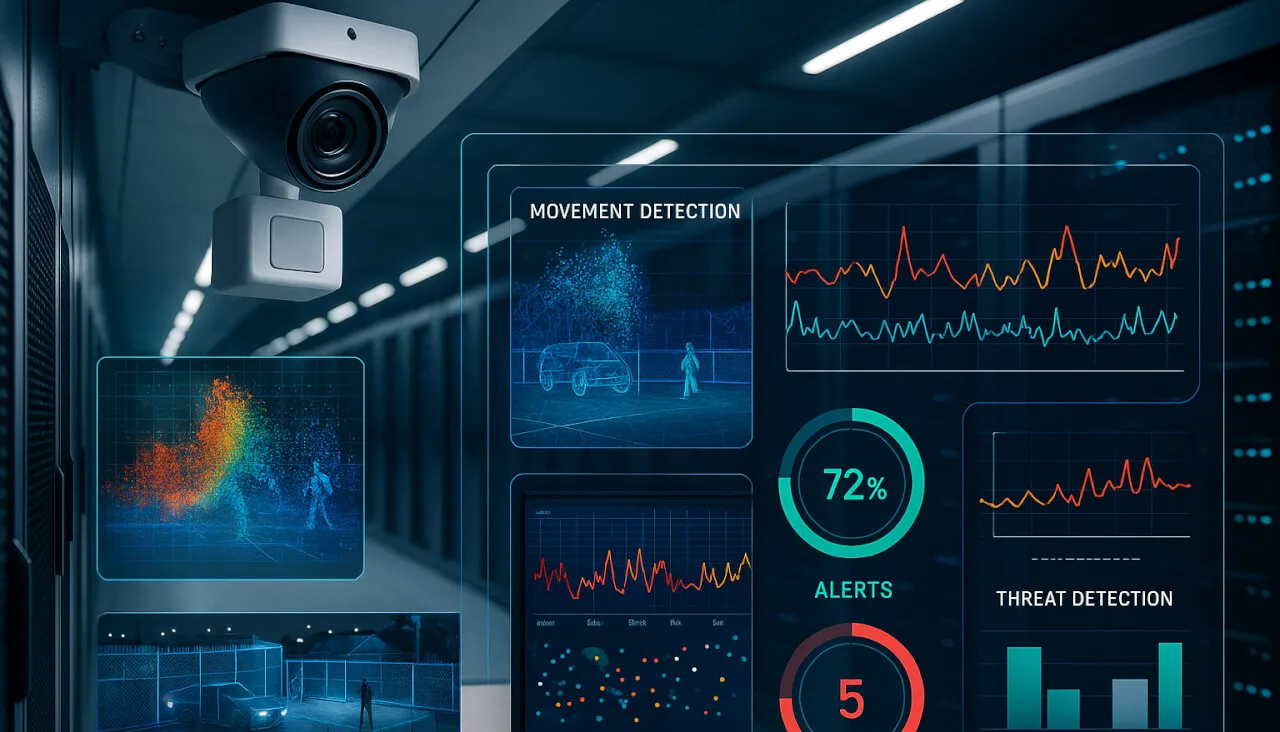
A visually immersive, scientifically-accurate datacenter scene featuring realistic server aisles.

Advancing Datacenter Reliability Through Physical Security Innovation

Innovative datacenter security uses LiDAR and Physical AI for real-time monitoring, reducing risks and improving operational reliability.


Introduction

Datacenters are the backbone of digital infrastructure, supporting everything from cloud services to enterprise applications. As reliance on these critical facilities grows, so does the need for robust physical security measures that go beyond traditional approaches.

The effectiveness of a datacenter’s physical security directly impacts its operational continuity and reputation with clients.

In this article, we explore how innovative solutions, especially those leveraging advanced technologies like LiDAR and Spatial Intelligence, are shaping the future of datacenter protection.

The Evolving Landscape of Physical Security in Datacenters

Physical security has historically focused on barriers, surveillance cameras, and access controls. However, as threats become more sophisticated and regulatory requirements increase, datacenters must adopt more dynamic strategies to safeguard assets.

Modern facilities now face challenges such as:

  • Unauthorized access attempts by both external actors and insiders
  • Tailgating incidents where individuals follow authorized personnel into secure areas
  • The need to monitor vast perimeters without blind spots or delays

A single lapse in physical security can lead to data breaches or service disruptions with far-reaching consequences.

To address these risks effectively, operators are turning toward integrated systems that combine real-time monitoring with intelligent analytics.

Enhancing Cyber-Physical Security with LiDAR

Cyber-physical systems are vulnerable to cyber and physical threats. LiDAR provides real-time detection, offering a strong solution for securing such critical infrastructure.

Read article →
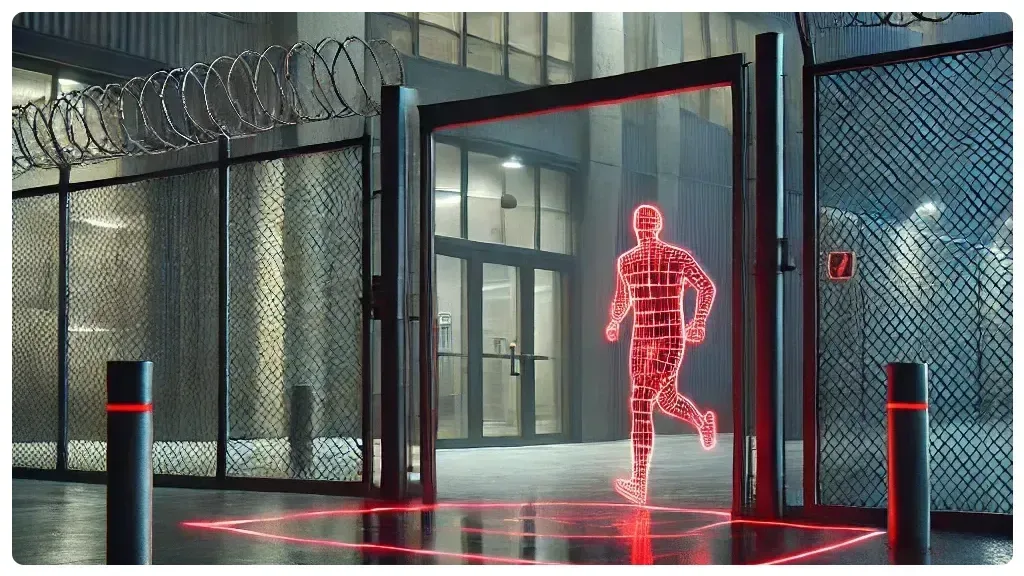
This shift marks a move away from reactive responses toward proactive risk management.

Integrating Physical AI for Enhanced Protection

The introduction of Physical AI has transformed how datacenters approach threat detection and response. By combining sensor data with machine learning algorithms, these systems can identify unusual patterns or behaviors before they escalate into incidents.

Physical AI enables:

  • Automated recognition of unauthorized movements within restricted zones
  • Immediate alerts when perimeter breaches occur, even under low visibility conditions
  • Continuous adaptation as new threat vectors emerge over time

Facilities using advanced analytics report faster incident resolution times compared to those relying solely on manual monitoring methods.

By automating routine checks while highlighting anomalies for human review, operators can allocate resources more efficiently without compromising vigilance.

This synergy between technology and personnel is essential for maintaining high standards in environments where uptime is non-negotiable.

LiDAR: Setting the Standard for Real-Time Monitoring and Spatial Intelligence

Among emerging technologies reshaping physical security practices, LiDAR stands out due to its unparalleled accuracy in capturing three-dimensional spatial data.

Unlike conventional cameras or motion sensors, which may struggle with lighting changes or obstructions, LiDAR provides reliable real-time mapping regardless of environmental conditions.

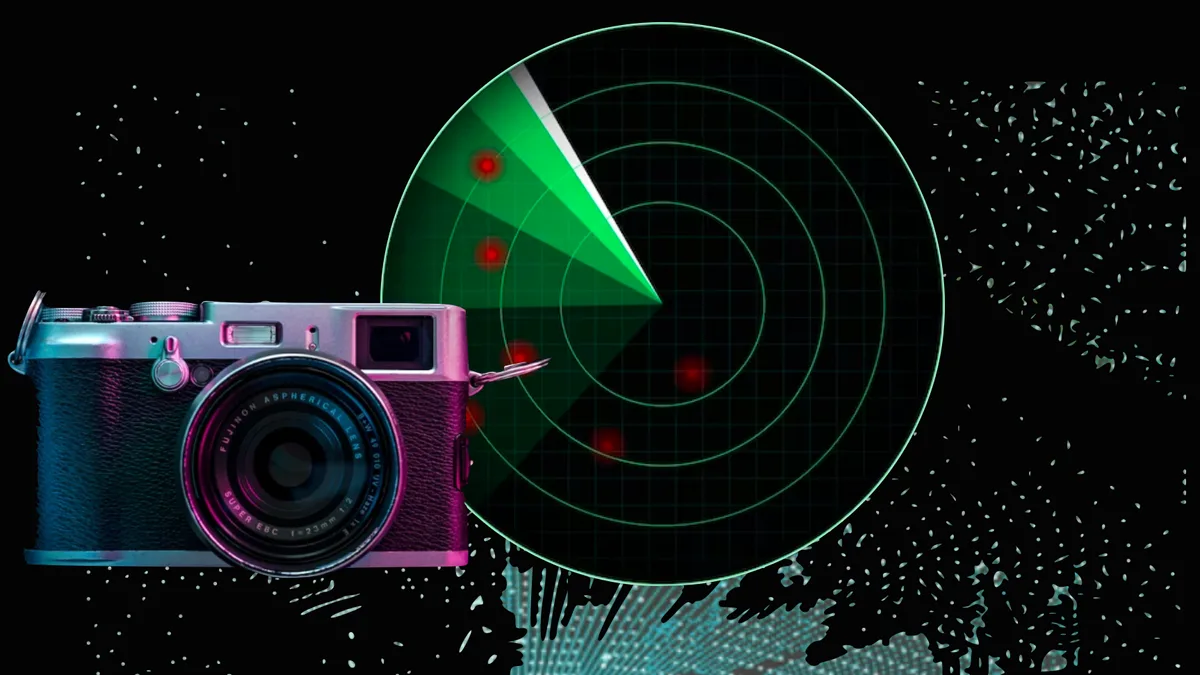
A detailed comparison of LiDAR, Radar and Camera Technology

This article explores the capabilities and limitations of each type of sensor, to provide a clear understanding of why LiDAR has emerged as a strong contender in computer vision tech race.

Read article →
LiDAR’s ability to generate precise 3D models allows teams to detect movement patterns that would otherwise go unnoticed by traditional surveillance tools.

Our team at Outsight has seen firsthand how integrating LiDAR enhances situational awareness across large-scale sites.

Key advantages include:

  • High-resolution detection capable of distinguishing between people, vehicles, or objects, even at significant distances
  • Instantaneous updates enabling rapid assessment during emergencies such as fire alarms or attempted intrusions
  • Seamless integration with existing control systems through standardized interfaces

Spatial Intelligence derived from LiDAR empowers decision-makers not only to respond quickly but also anticipate potential vulnerabilities based on historical trends within their facilities.

LiDAR Enhances Security Solutions

LiDAR-based security systems, with the right perception software, provide smart, efficient, and automated means of preventing threats and avoiding false positive detections.

Read article →

For organizations seeking proven solutions recognized globally, including deployments across critical infrastructure sectors, we invite you to learn more about our approach at Outsight.ai.

Operational Benefits and Measurable Outcomes

Implementing innovative physical security measures delivers tangible results beyond basic protection. Operators benefit from improved efficiency while meeting compliance demands set by industry standards.

Some measurable outcomes include:

  • Facilities adopting automated monitoring have reported reductions in false alarms by up to half compared with legacy sensor networks.
  • Staff productivity increases when routine patrols are supplemented, or replaced, by intelligent alerting systems.
  • Incident investigation times decrease significantly thanks to detailed event logs generated automatically by integrated platforms.

These improvements translate directly into cost savings while reinforcing client trust, a key differentiator in an increasingly competitive market landscape.

Conclusion: Building Trust Through Proactive Security Measures

As digital transformation accelerates, worldwide demand for secure data handling grows ever stronger.

Success hinges not just on technical excellence within server rooms but also upon unwavering commitment to safeguarding every aspect of facility operations, including its physical perimeter.

Forward-thinking organizations recognize that investing early in advanced tools like LiDAR sets them apart when it comes to reliability, transparency, and peace of mind clients expect today.

By embracing innovation, from deploying Spatial Intelligence platforms powered by real-time sensors through partnering with experts such as us at Outsight, datacenter leaders position themselves confidently to meet tomorrow’s challenges head-on.
Related Articles

AIRPORTS

Aeroporti di Roma to deploy Outsight's Physical AI solution at scale across Rome Fiumicino Airport

Aeroporti di Roma (ADR) is expanding its collaboration with Outsight to a large-scale deployment across almost all Schengen common-use areas at Rome Fiumicino Airport.

CORPORATE

Intel and Outsight Announce Strategic Collaboration to Bring Physical AI–Powered Spatial Intelligence to the Enterprise Edge

Outsight’s Shift platform integrated into Google Distributed Cloud Edge powered by Intel Xeon 6 SoC – Live demonstration at Google Cloud Next 2026

Let's connect

Send us a Message

Drop your email and we'll get back to you as soon as possible.

Frequently Asked Questions

  • Can LiDAR detect tailgating at a datacenter entrance?

    LiDAR tracks each entity as a unique, anonymously identified object in 3D space. When two bodies pass through a controlled doorway in rapid succession, the system registers two distinct bounding boxes crossing a single access threshold rather than one, triggering an alert before the second person clears the entry point. This geometric detection works regardless of lighting, badge presentation, or whether the follower stays physically close to the authorized individual, conditions that trip up camera-based video analytics relying on image contrast. Outsight applies this principle at security-sensitive facilities, including datacenters, through its Motional Digital Twin, which processes 3D LiDAR data in a sub-50ms pipeline and captures shape and motion without storing faces or biometric data, making it suitable for environments with strict privacy and compliance requirements.

  • How does LiDAR-based perimeter monitoring reduce false alarms compared to passive infrared sensors?

    Passive infrared sensors respond to heat signatures and cannot distinguish between a person, an animal, a vehicle, or HVAC exhaust. LiDAR classifies objects by shape, size, and motion trajectory in three dimensions. A bird flying past the perimeter reads as a small, fast-moving entity below classification thresholds; a person attempting to scale a fence reads as an upright human shape moving toward a restricted boundary. That classification layer is what allows automated monitoring to cut false alarm rates sharply relative to legacy sensor networks. Outsight applies this principle at security-sensitive facilities, including datacenters, through its SHIFT platform, which processes 3D LiDAR data in a sub-50ms pipeline and identifies object class and intent without capturing faces or biometric data, keeping privacy compliance intact alongside the accuracy gains.

  • What certifications should a datacenter security vendor hold to operate in critical infrastructure?

    The most widely required certifications for physical security software handling datacenter environments are ISO 27001 (information security management) and SOC 2 (operational security and availability controls). TISAX is additionally required when the datacenter handles automotive-sector data. Outsight, whose SHIFT platform is deployed in security-sensitive facilities including datacenters, holds all three certifications. For datacenter operators subject to sector-specific regulation, confirming vendor certification status is a standard procurement gate before any Physical AI or LiDAR-based monitoring platform is deployed.

  • Does LiDAR work inside a datacenter with server racks blocking line of sight?

    A single LiDAR sensor mounted above an aisle loses line of sight behind tall rack rows, just as any point-mounted sensor does. The approach that resolves this is fusing multiple sensors into one shared 3D point cloud across the entire floor, so a person hidden from one sensor remains visible to another. This multi-sensor fusion, sometimes called shadowless perception, is standard practice in large-footprint deployments such as airports and warehouses, and applies directly to datacenter floor layouts. Outsight's infrastructure-based approach follows exactly this model: sensors are placed in the fixed environment rather than on moving entities, and the SHIFT platform fuses their outputs into a unified, real-time 3D scene with a sub-50ms end-to-end pipeline, covering blind spots that any single-sensor placement would create.

  • How does a LiDAR security system integrate with existing datacenter access control platforms?

    LiDAR-based spatial intelligence platforms expose tracked entity events, zone crossings, dwell alerts, and anomaly flags through documented APIs, typically REST or MQTT. Those events feed into an access control system's alarm management layer alongside badge-reader and biometric events. The Outsight SHIFT platform follows this integration model, publishing real-time object-level events that existing datacenter security stacks can consume without replacing credential management infrastructure. The LiDAR layer adds a spatial verification channel that flags, for example, a badge-authenticated entry followed immediately by a second uncredentialed body, a scenario the access control log alone would not capture. Because LiDAR captures shape and motion rather than faces or biometric data, this spatial layer is anonymous by definition, which simplifies compliance considerations in regulated datacenter environments.

  • How does physical security monitoring affect datacenter uptime SLAs?

    Uptime SLAs for Tier III and Tier IV datacenters depend on avoiding unplanned operational disruptions, not just power and cooling. Physical intrusion, sabotage, or unauthorized access to live hardware are recognized threat vectors that can trigger outages. Automated monitoring with fast incident detection shortens response time, which in turn reduces the window during which an intrusion can cause a service-affecting event. Outsight's infrastructure-based Physical AI approach addresses this directly: by deploying LiDAR in the facility infrastructure rather than on mobile assets, it generates a real-time, anonymous 3D event trail across all monitored zones with sub-50ms latency. Incident investigation time drops significantly when operators can replay a continuous 3D record of exactly what happened, without relying on fragmented CCTV footage. Outsight has applied this approach to security-sensitive facilities including datacenters, where that combination of speed and spatial detail directly supports service reliability commitments.