Skip to content
Insights
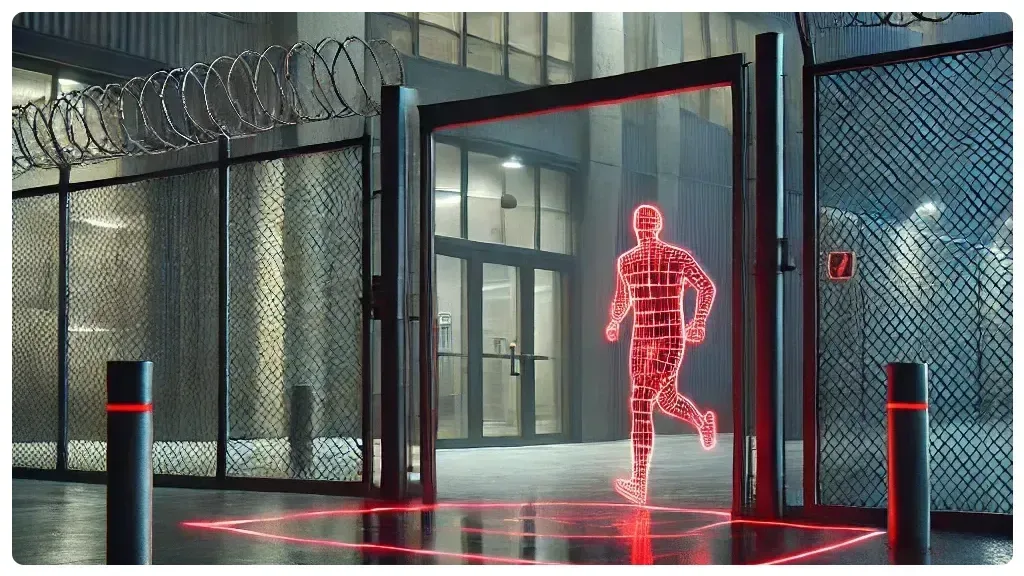
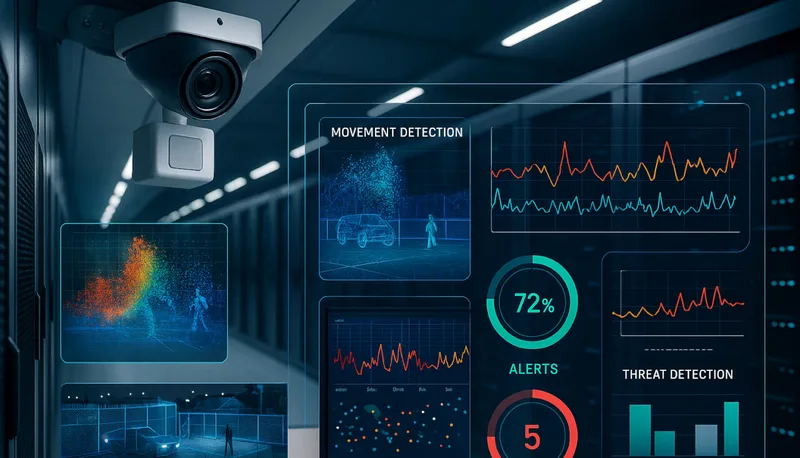
An intruder entering high security premises is being identified and tracked in real time while an alarm calls security

Enhancing Cyber-Physical Security with LiDAR

Cyber-physical systems are vulnerable to cyber and physical threats. LiDAR provides real-time detection, offering a strong solution for securing such critical infrastructure.


Cyber-physical systems (CPS) combine physical processes with digital networks. As reliance on this infrastructure increases, insuring their security becomes a pressing concern.

CPS are vital for modern infrastructure such as smart grids, automated factories, or transportation networks.

As they become more complex and connected, they face increasing cyber and physical threats, demanding stronger security measures to protect all components.

LiDAR (Light Detection and Ranging), originally created for the use in autonomous vehicles, is being leveraged to enhance the security of cyber-physical systems. This offers new capabilities for monitoring, detecting intrusions, and safeguarding against a wide range of potential threats.

Understanding How Lidar Works

3D LiDAR is a complex technology that enables unprecedented Spatial Intelligence. Many engineering choices are possible when building a new device.

Read article →

Why are Cyber-Physical Systems at risk

Cyber-physical systems are targeted by attackers because they are typically deployed in mission-critical environments where a failure could lead to significant harm or disruption.

“Due to the nature of cyber-physical systems, incidents can quickly lead to physical harm to people, destruction of property or environmental disasters.” says Katell Thielemann, VP Analyst for Gartner.

Traditional security systems often fail to protect these environments effectively. Conventional cameras and sensors can struggle to accurately track multiple objects at once, leading to incomplete monitoring.

Additionally, their high rate of false alarms and sensitivity to lighting and weather conditions make them unreliable for securing CPS.
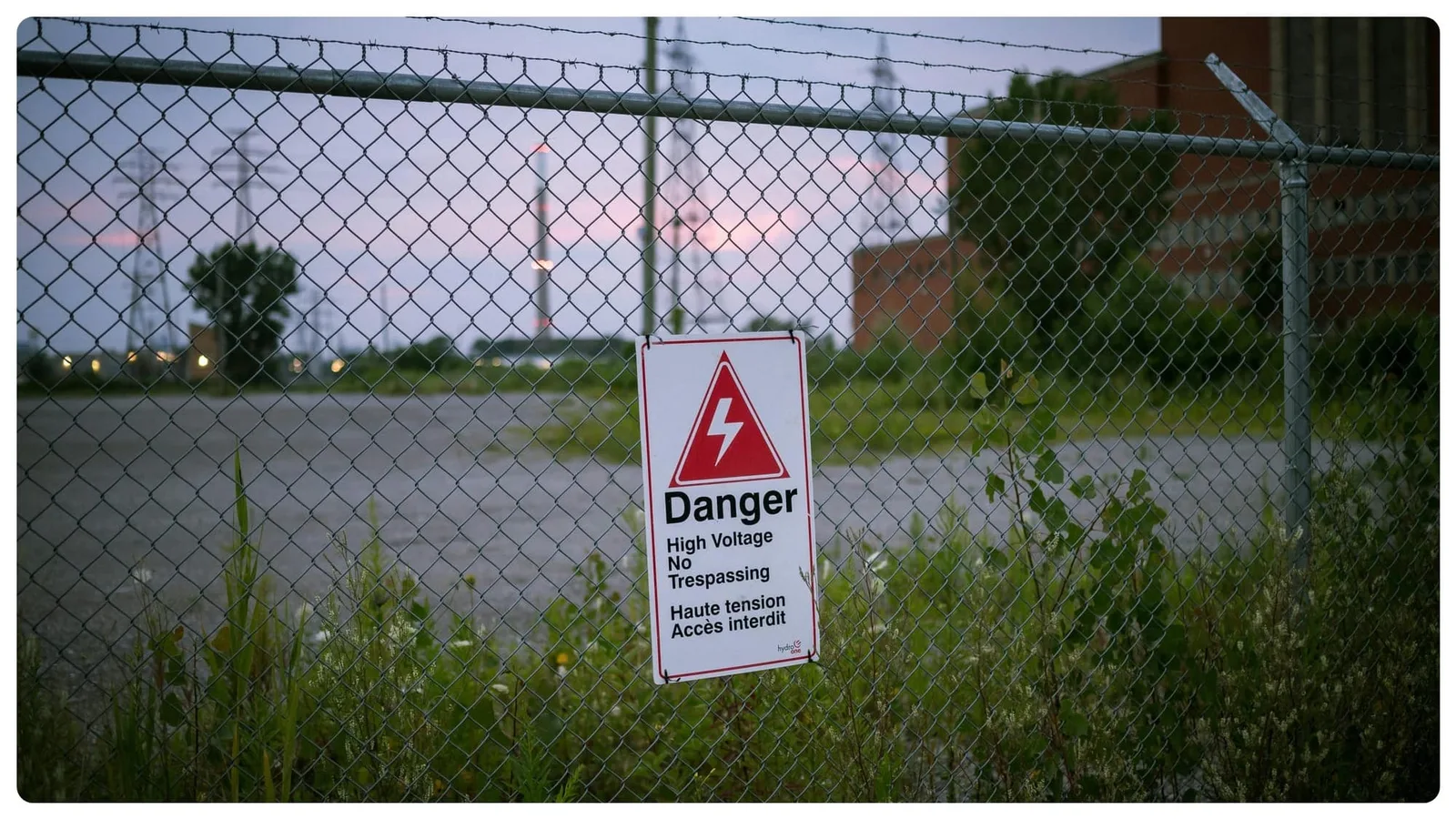
Cyber Physical Security site with fences

What can LiDAR do?

LiDAR enhances the security of both physical spaces and the cyber-physical systems that manage the infrastructure, effectively overcoming traditional security systems’ limitations.

By emitting laser pulses and measuring the time it takes for these pulses to bounce back after hitting an object, LiDAR enables the creation of precise, high-resolution 3D maps of environments.

LiDAR delivers superior accuracy and coverage in any lighting or weather, reducing false alarms, improving intruder tracking, and offering a comprehensive understanding of potential security breaches.

Avoid False Security Breaches with LiDAR based systems

Outsight’s LiDAR-based solution offers a groundbreaking alternative to traditional camera based security systems.

Read article →

This makes LiDAR highly effective in securing critical infrastructure like power plants, airports, and military bases by monitoring perimeters and detecting intrusions or anomalies that could disrupt operations.

Taking the example of smart grids, LiDAR can continuously monitors substations and transmission lines, preventing disruptions and ensuring reliable energy supply.
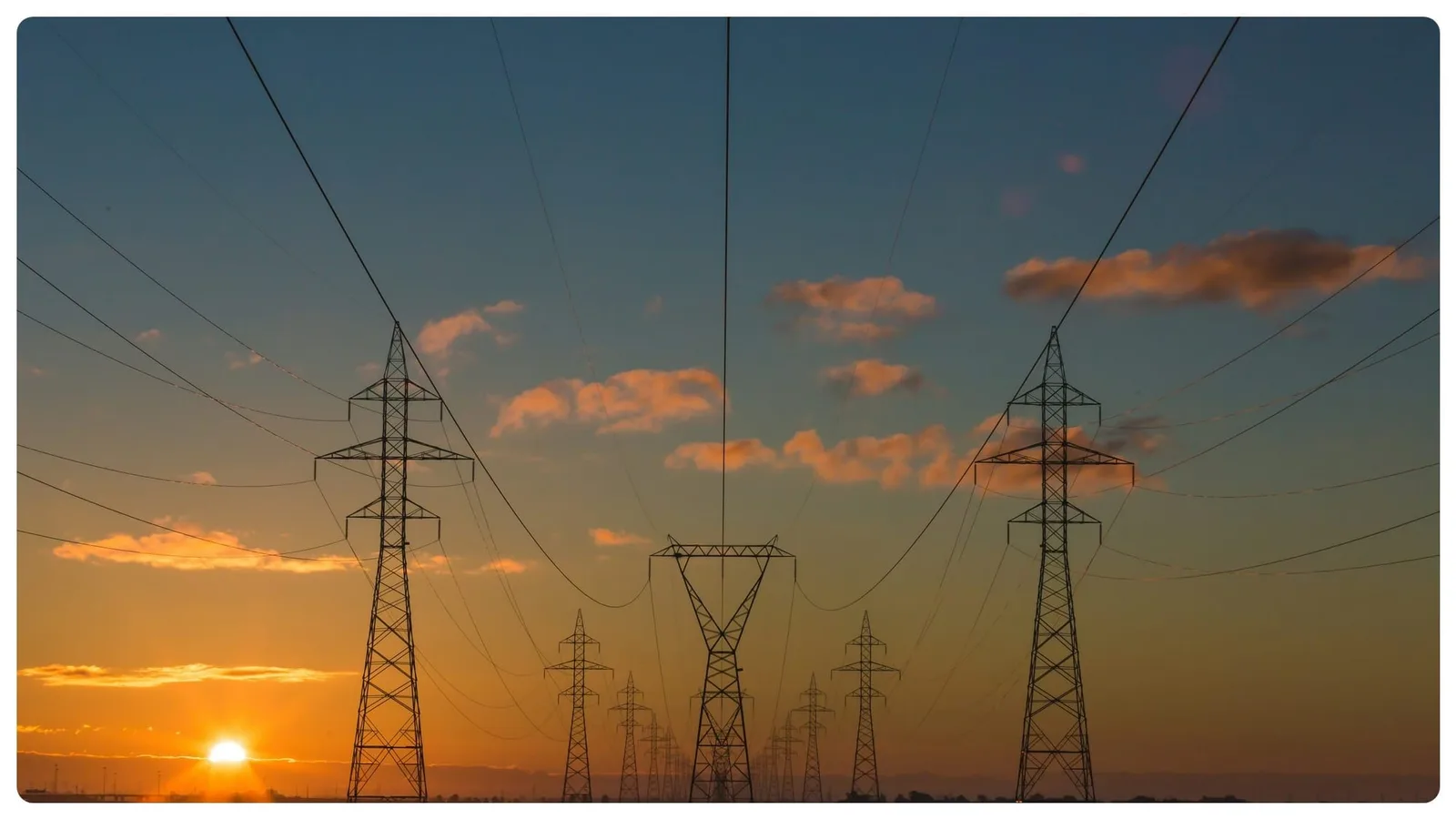
Electricity Transmission towers outside for smart grids

Smart grids better match the supply and demand of electricity in real time

LiDAR Secures Energy Sector Perimeters

With its laser-based precision, LiDAR-based Perimeter Intrusion Detection delivers unparalleled reliability and features.

Read article →
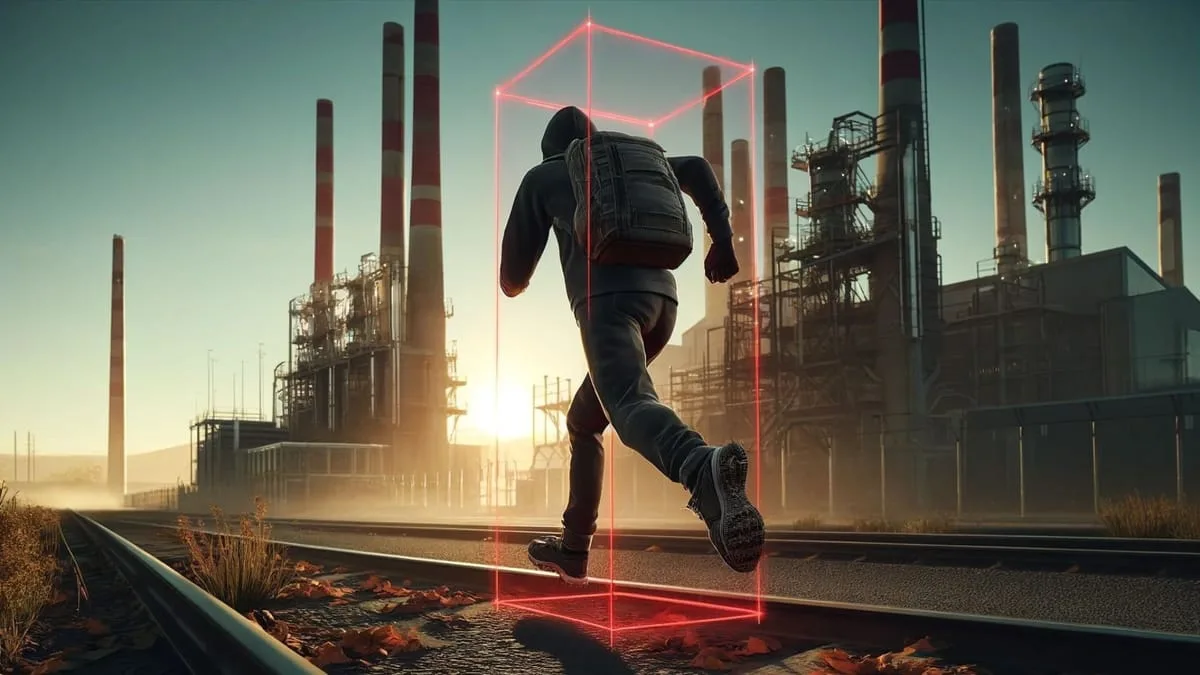
Beyond physical security, LiDAR is also integrated into cyber-physical systems.

In automated factories, for example, LiDAR can work with IoT devices and robots to enhance situational awareness, detecting potential cyber-physical threats such as unauthorised access or equipment tampering, adding an extra layer of defense against both physical and cyber attacks.
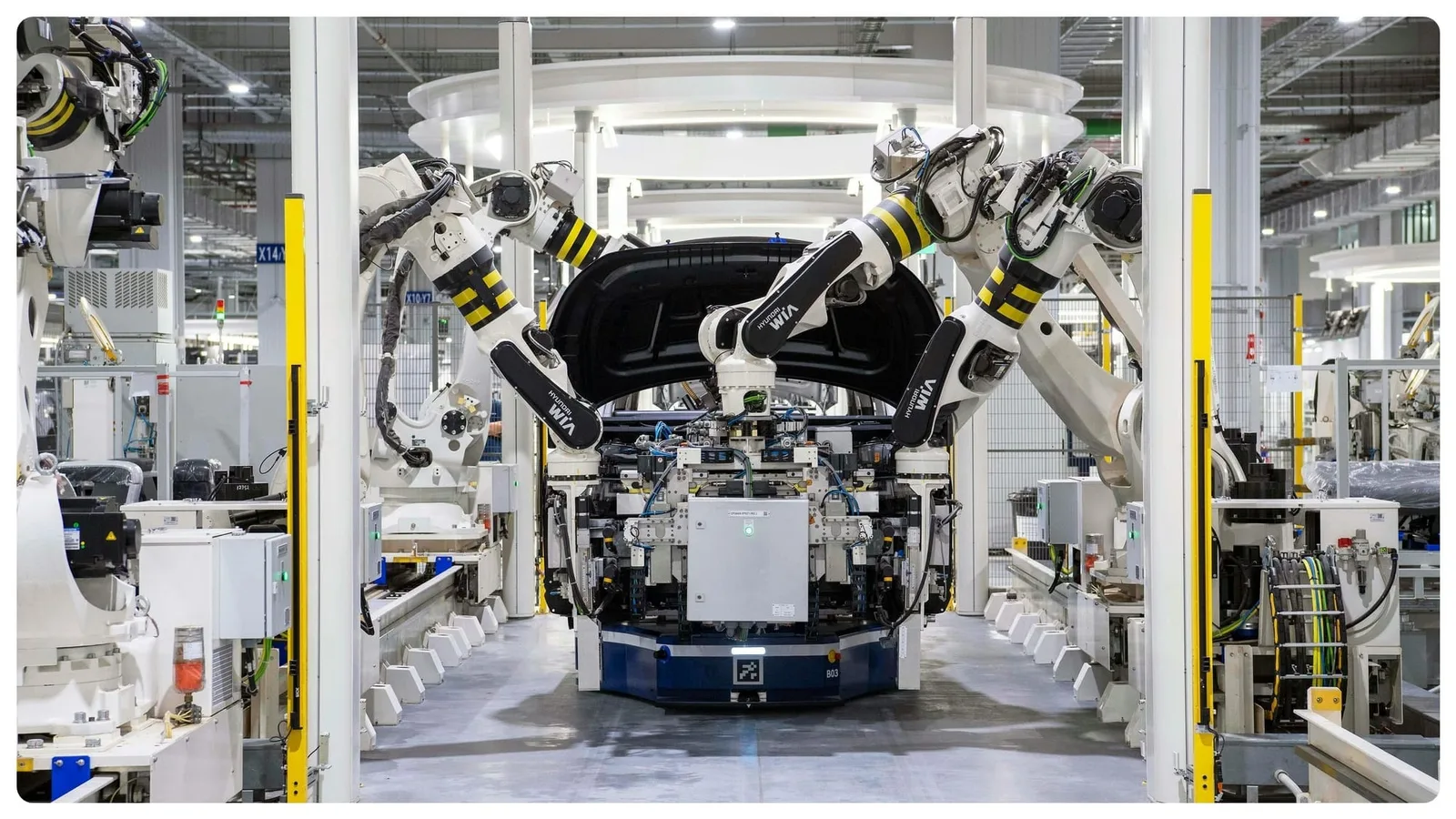
Robots in automated factory for car manufacturing

Automated factory for car manufacturing

The role of the software solution in LiDAR security system

Traditional intrusion detection systems usually find intruders at perimeter fences.

However, a LiDAR software solution, like the one from Outsight, can find and track intruders all over a sensitive site by combining data from multiple LiDAR sensors strategically placed inside the site.
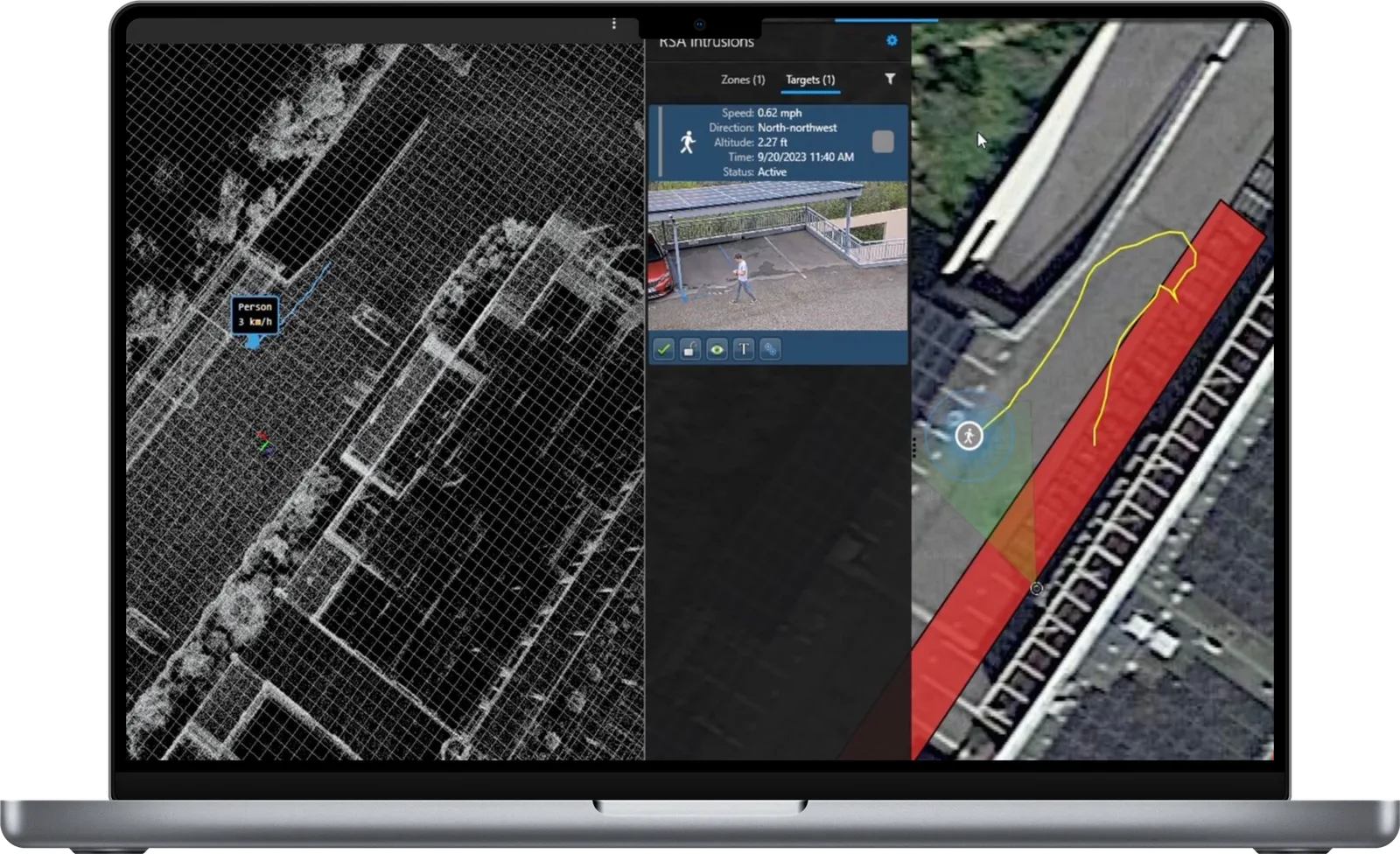
Computer showing how LiDAR and cameras work together to track people and objects intruding a zone

LiDAR and camera security tracking

When someone breaks through the site’s perimeter zones (ie. fences), the security system sounds an alarm.

The system then follows the intruder as it moves through the LiDARs’ fields of view and lets security operators know the intruder’s exact location, path, and speed at any time on the site.

An intruder is being tracked while entering a secure cyber-physical site

Intruders can be identified and tracked in real time as they move across a secured site

The system can also control a number of PTZ cameras that automatically point in the direction of the intruder’s path to get a high-resolution picture of the intruder.

Using a LiDAR software solution, integrated with major VMS providers like Milestone, an intruder can be found and tracked, and then a PTZ camera, controlled by the software, can be used to identify the person.

Here are some of the features available in this integrated solution:

  • Real-time intrusion alarm notification in Milestone Smart client: when a person or vehicle enters a Detection zone, the alarm is activated.
  • Alarm recording and playback: the Milestone recording server stores all intruder alarms and camera footage for alarm verification. The user is able to replay alerts depending on search parameters (such as zones of interest, date, and time) and see the associated video.
  • Person and Vehicle trajectories are presented on a map in the Milestone Smart client, enabling security personnel to follow the exact location and course of attackers at any time and wherever on the site.
  • PTZ Auto-Tracking: PTZ cameras may be automatically placed in the direction of a suspicious person or vehicle’s path in order to provide the security operator with a full picture of the scenario.
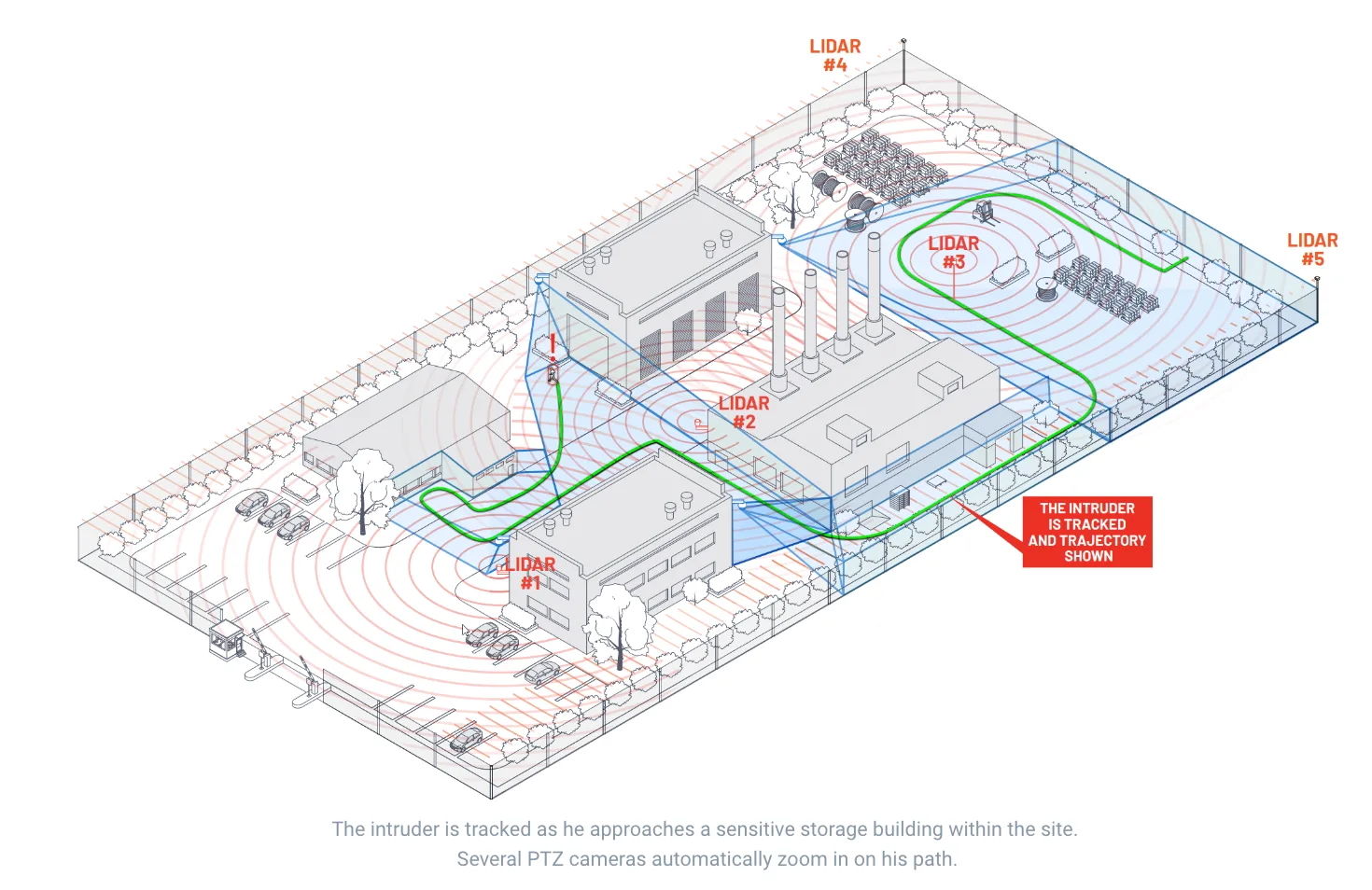
An intruder is tracked as he approaches a sensitive storage building within the site and several PTZ cameras automatically zoom in on his path

LiDAR, a solution to Cyber-Physical Security

From securing critical infrastructure perimeters to real-time monitoring in automated factories, LiDAR has become essential for cyber-physical system (CPS) security.

LiDAR-based softwares have the ability precisely track intruders in all weather and lighting conditions and reducing thee likelihood of false alarms.

As CPS complexity increases and threats evolve, LiDAR will play a crucial role in detecting and preventing both physical and cyber attacks. By integrating LiDAR into CPS security, we gain a proactive and reliable solution to protect vital systems and ensure their continued operation.
Related Articles

SECURITY

Surveillance and Intrusion Detection: The Evolution of 3D LiDAR Security Technology

3D LiDAR Security Solutions offer a proactive approach. These systems can detect intruders in real-time, reduce false alarms, and enhance overall security effectiveness.

SECURITY

Advancing Datacenter Reliability Through Physical Security Innovation

Innovative datacenter security uses LiDAR and Physical AI for real-time monitoring, reducing risks and improving operational reliability.

Let's connect

Send us a Message

Drop your email and we'll get back to you as soon as possible.

Frequently Asked Questions

  • What makes cyber-physical systems harder to secure than traditional IT networks?

    Cyber-physical systems bridge digital controls and physical processes, so a successful attack can cause real-world consequences: equipment damage, power outages, or direct physical harm to people. Traditional IT security focuses on data integrity and access control within logical networks. CPS security must simultaneously defend the physical perimeter, the sensor and actuator layer, and the communication stack that ties them together. That combination of physical and digital exposure means a single gap in either domain can cascade across the whole system. Infrastructure-based approaches like Outsight's Motional Digital Twin address the physical layer directly, using 3D LiDAR to track movement anonymously in real time across sensitive sites such as datacenters and industrial facilities, giving operators a live view of physical activity without introducing biometric data risks.

  • How does LiDAR track an intruder inside a large industrial site, not just at the fence line?

    Traditional perimeter systems trigger once at the boundary and lose track of the intruder immediately after. A multi-sensor LiDAR deployment assigns a persistent anonymous ID to a detected person the moment they breach a zone, then hands that ID from sensor to sensor as the person moves deeper into the site. Security operators see a continuous trajectory, including current position, heading, and speed, across the full sensor network rather than a single entry-point alarm. Outsight applies this approach at scale through its Motional Digital Twin, which builds a real-time 3D replica of every moving entity across a site, including security-sensitive facilities such as datacenters, while remaining anonymous by definition since LiDAR captures shape and motion rather than faces or biometric data.

  • Why do conventional cameras generate more false alarms than LiDAR at outdoor security perimeters?

    Camera-based analytics process 2D images and infer depth indirectly, which means lighting changes (shadows, headlights, sudden darkness) and weather artifacts (rain streaks, blowing debris, fog) regularly produce false positives. LiDAR emits its own laser pulses and measures the physical position of objects in three dimensions, so ambient light and most weather conditions have no effect on detection. The geometry-based classification also distinguishes a moving person from an animal or blowing vegetation with higher reliability than pixel-pattern analysis. Outsight applies this principle at infrastructure scale through its SHIFT platform, which processes 3D point clouds with a sub-50ms end-to-end pipeline and has been deployed in security-sensitive facilities such as datacenters, where low false-alarm rates are operationally critical.

  • Can LiDAR tell security operators whether an intruder is a person or a vehicle?

    Yes. The 3D point cloud captured by LiDAR encodes the size, shape, and motion profile of every detected object. Classification algorithms use those geometric signatures to distinguish pedestrians from wheeled vehicles, and can further separate two-wheelers, cars, and larger vehicles. Each detected entity receives a class label alongside its trajectory, so the security operator's console shows not just that something entered a restricted zone but what type of entity it is and where it is heading. Outsight's Motional Digital Twin applies exactly this capability at security-sensitive facilities, including datacenters, generating anonymous 3D object tracks in real time so operators receive typed, trajectory-tagged alerts without any biometric data ever being captured.

  • How does a LiDAR security system use PTZ cameras without requiring a human operator to aim them?

    The LiDAR layer provides a continuous 3D position for every tracked entity. That position is translated into pan-tilt-zoom coordinates for any camera whose field of view overlaps the relevant area, and the camera is driven automatically to center on the intruder's current location. The result is a high-resolution optical image of the subject at the moment of interest, obtained without an operator having to manually scan through dozens of camera feeds. The LiDAR handles detection and localization; the PTZ camera handles identification. Outsight applies this principle at infrastructure scale through its SHIFT platform, which exposes open integrations so that LiDAR-derived 3D tracks can trigger PTZ slew-to-cue commands across security-sensitive facilities such as datacenters in real time, with an end-to-end pipeline latency under 50 milliseconds.

  • Is LiDAR-based security in automated factories a separate system from the robotics safety layer?

    In practice, the two functions can share the same sensor infrastructure but run distinct software pipelines. The robotics safety layer (collision avoidance, stop zones around moving arms) operates at sub-50ms latency and focuses on immediate machine-to-person proximity. The security layer tracks unauthorized access, equipment tampering, and anomalous behavior across a wider area and longer time window. Outsight's infrastructure-based approach, deployed at BMW and other automotive manufacturers, demonstrates exactly this architecture: LiDAR sensors fixed in the facility ceiling feed both real-time safety pipelines and broader behavioral analytics simultaneously through the SHIFT platform, without either pipeline interfering with the other. Sharing sensors reduces hardware cost, while keeping the pipelines separate ensures that a security alert does not disrupt time-critical robotic safety responses.