
According to a study by the U.S. Department of Justice, false alarms cost law enforcement agencies approximately $1.8 billion annually in the United States alone. Additionally, a false alarm can cost a business anywhere from $50 to $500 per incident when considering lost productivity, disrupted operations, and emergency response fees.
False alarms are not just a minor inconvenience; they carry significant financial and operational costs.
In sectors such as airports and industrial sites, these costs can quickly escalate due to the complexity and scale of the operations.
In a 2021 report, the Fire Industry Association (FIA) estimated that false alarms in the UK cost businesses over £1 billion each year.
These costs encompass various factors, including the dispatch of emergency services, interruptions to business activities, and the potential desensitisation of security personnel to genuine alarms.
Reducing false alarms is therefore not only a matter of improving security but also a crucial aspect of cost management.
Traditional security systems, often reliant on radars, pan-tilt-zoom cameras, and CCTV Cameras, are plagued with false positives, leading to unnecessary operational disruptions and increased costs.
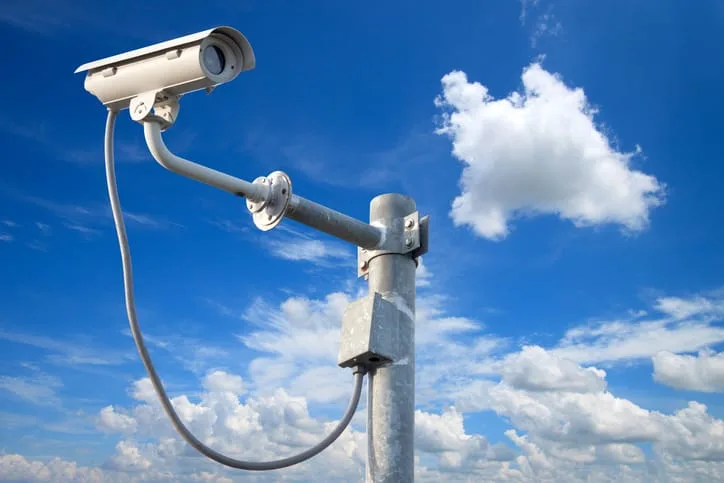
Traditional security systems have very high rates of false positives and nuisance alarms
Challenges of using VMS Systems with cameras alone
When traditional security systems or Video Management Systems (VMS) are used with cameras, without complementary technologies such as LiDAR, they often suffer from high false alarm rates.
This is primarily due to the limitations of 2D camera-based detection, which can be affected by:
- Lighting Conditions: Cameras struggle in low-light or overly bright conditions, leading to misdetections.
- Motion Sensitivity: Cameras can mistake harmless movements (e.g. shadows) for security threats.
- Occlusions: Objects or individuals can be obscured by other elements, leading to incomplete data and false alarms.
- Resolution Limitations: Standard cameras may not provide sufficient detail to accurately classify objects, resulting in false positives.
A detailed comparison of LiDAR, Radar and Camera Technology
This article explores the capabilities and limitations of each type of sensor, to provide a clear understanding of why LiDAR has emerged as a strong contender in computer vision tech race.
Read article →
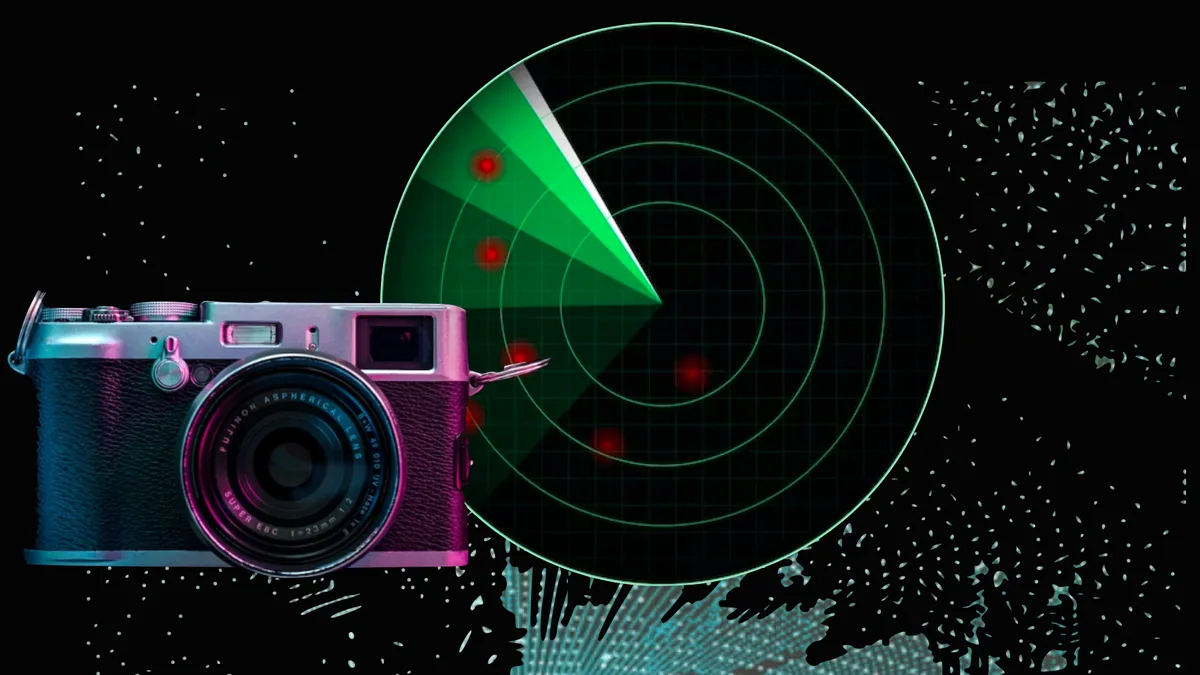
According to various industry reports and security technology research, false alarm rates for camera-only systems can be as high as 90%, creating significant challenges for security operations.
This high rate of false positives leads to wasted resources and can desensitize security personnel to actual threats, compromising overall security efficacy.
The LiDAR Advantage
However, with the advent of advanced Outsight’s Spatial Intelligence Platform, a new era of precision and reliability in security systems has emerged.
LiDAR solutions for security
LiDAR-based security systems, with the right perception software, provide smart, efficient, and automated means of preventing threats and avoiding false positive detections.
Read article →

LiDAR (Light Detection and Ranging) technology offers unparalleled accuracy by using laser light to create high-resolution, three-dimensional maps of environments.
Unlike conventional cameras, LiDAR operates effectively in diverse lighting conditions, including total darkness and direct sunlight, making it ideal for continuous, reliable security monitoring.
- Full Site Security: Outsight’s LiDAR technology offers continuous tracking of people and vehicles, providing real-time security insights across entire sites. This feature is essential for effective security management in expansive areas like campuses, industrial facilities, and public venues.
- Border Surveillance: With Outsight’s LiDAR based high-resolution intrusion detection over long distances, expect to significantly reduces false positives. This makes it the perfect solution for securing borders and perimeters where precise and dependable intruder detection is paramount.
- Safeguard Critical Infrastructure: One of the primary advantages of Outsight’s 3D LiDAR technology is its ability to provide asset protection with pinpoint accuracy. This ensures that high-value assets remain protected from unauthorized access and potential threats, thereby enhancing overall security protocols.
- Perimeter Security: Outsight’s Spatial Intelligence enabled security solutions excel in detecting threats under any lighting conditions, thus reducing guard fatigue by minimizing the necessity for continuous manual monitoring. This capability is particularly valuable for environments that demand round-the-clock surveillance systems, such as airports installations.
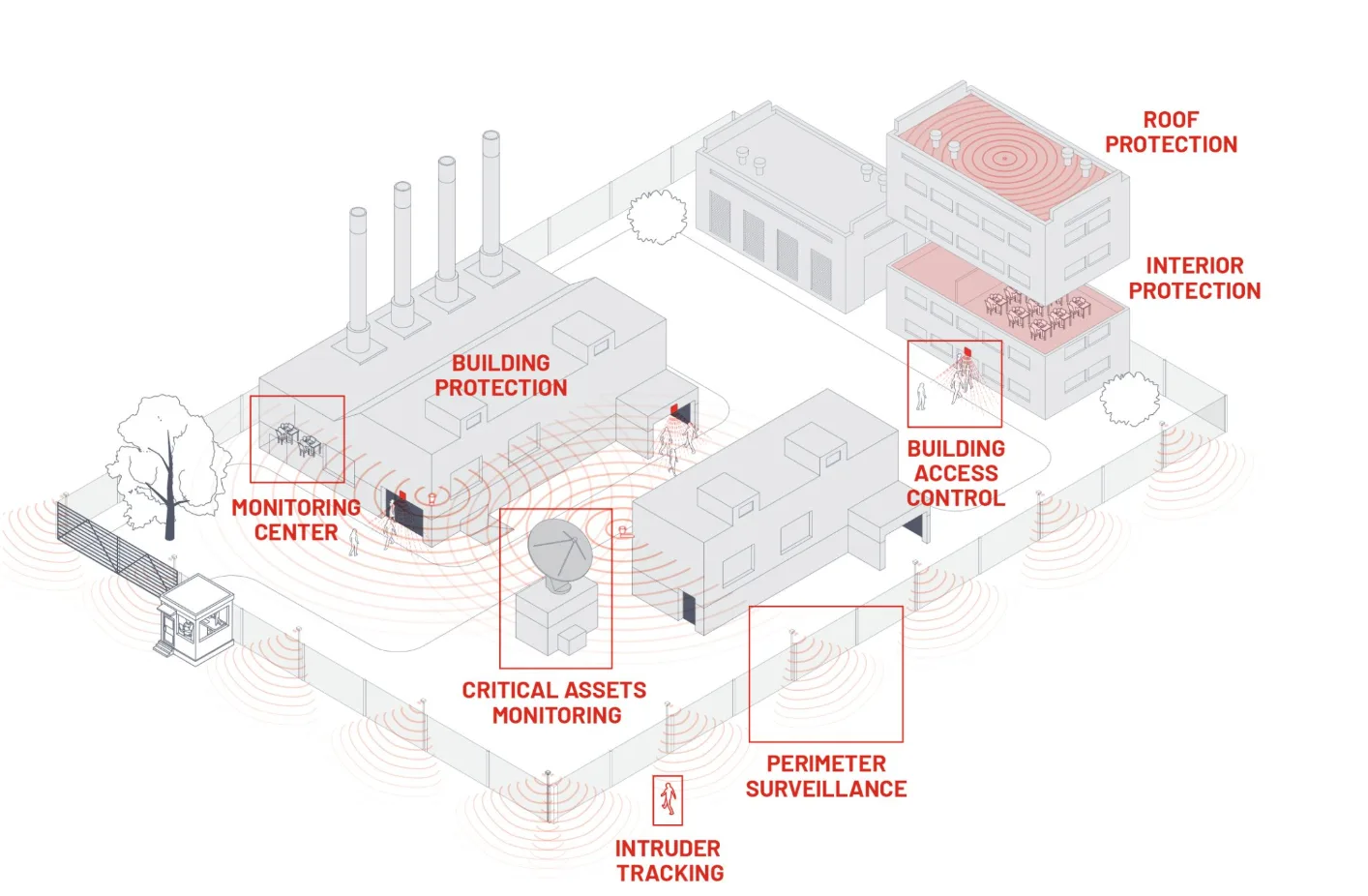
Security management with LiDAR based surveillance systems
How can LiDAR technology reduce false alarms in security systems?
- Precise Spatial Measurements: LiDAR generates detailed spatial measurements, accurately distinguishing between different objects and their real-time movements. This precision ensures that only genuine threats trigger alarms, significantly reducing false positives.
- Advanced Object Classification: Outsight’s LiDAR-based security systems utilize sophisticated algorithms to classify objects based on their shape, size, and movement patterns. This advanced classification helps differentiate between innocuous activities and potential security threats.
- Environmental Adaptability systems are versatile and perform consistently across various environments, from indoor settings to expansive outdoor areas. Their ability to function without reliance on ambient light sources means they maintain accuracy where cameras may fail.
- Enhanced Detection Capabilities creating comprehensive 3D maps, LiDAR systems can detect subtle changes and movements that 2D cameras might miss. This capability is crucial for identifying and responding to genuine security breaches promptly.
Surveillance and Intrusion Detection: The Evolution of 3D LiDAR Security Technology
3D LiDAR Security Solutions offer a proactive approach. These systems can detect intruders in real-time, reduce false alarms, and enhance overall security effectiveness.
Read article →
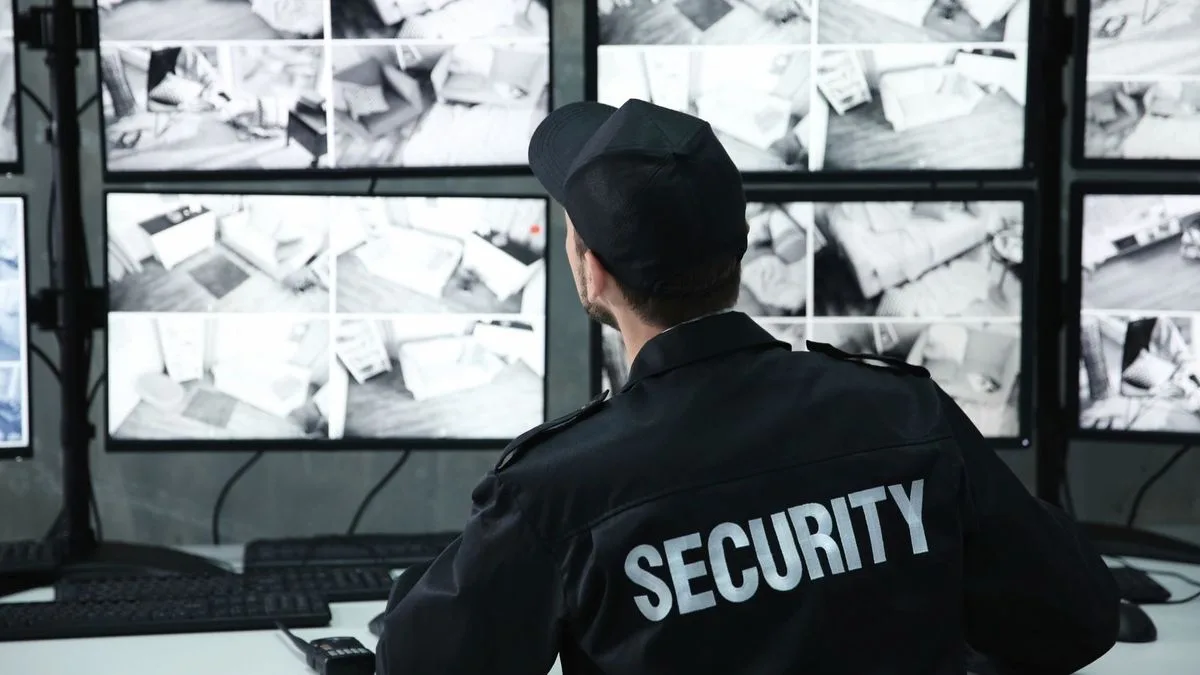
Enhance Your Existing VMS Systems
Outsight’s LiDAR technology seamlessly integrates with leading Video Management Systems (VMS) such as Genetec and Milestone, enhancing their capabilities and providing a unified security solution.
Outsight and Genetec Announce Full Integration of Their Solutions
The collaboration between two industry leaders marks a significant advancement for enhanced security solutions across many industries.
Read article →
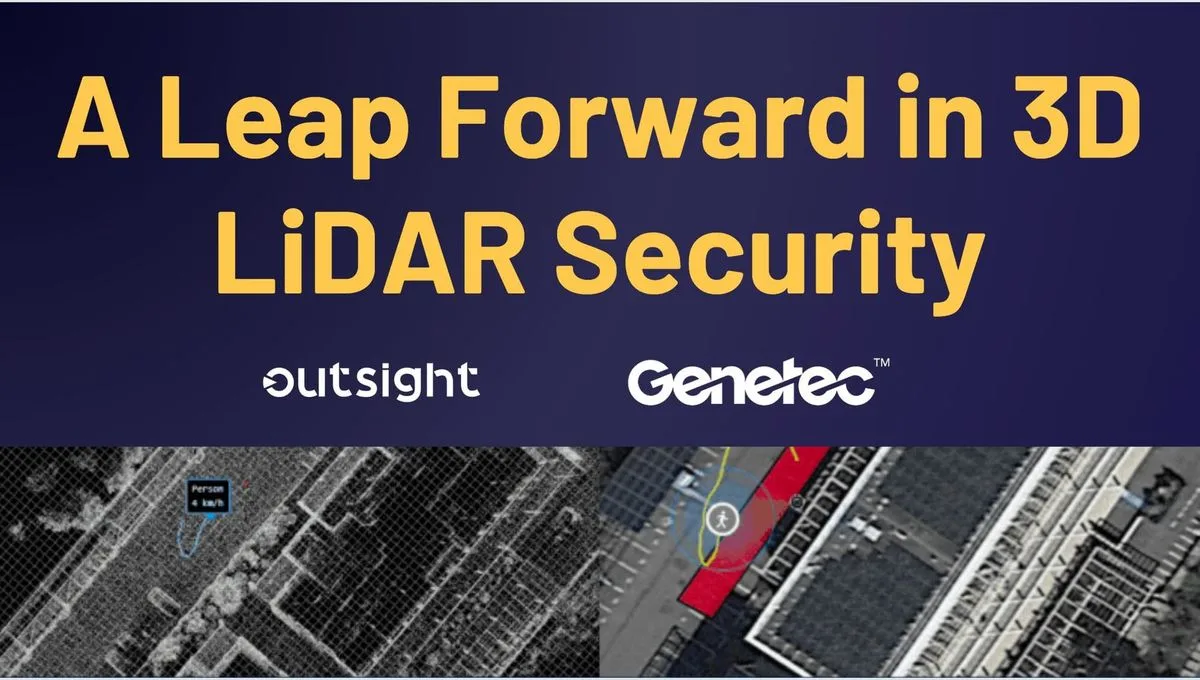
Outsight’s Shift LiDAR Software integrates with Genetec’s Security Center, allowing security operators to manage LiDAR data within the Genetec interface.
This integration enables real-time visualisation and monitoring of 3D spatial data alongside traditional video feeds, offering a comprehensive security overview.
The combined solution enhances situational awareness and operational efficiency, reducing the likelihood of false alarms.
Genetec Security Center platform seamlessly integrates data processed by Outsight, regardless of the LiDAR device source.
Similarly, Outsight’s solutions are compatible with Milestone’s XProtect VMS. This integration facilitates the seamless incorporation of 3D LiDAR data into Milestone’s video management platform.
Users can view, analyse, and respond to security events with greater accuracy and speed.
The integration also supports advanced analytics, helping to identify and address security incidents more effectively while minimising false positives.
The LiDAR software solution can automatically point PTZ cameras in the direction of a suspicious person or vehicle as shown in the video below.
LiDAR-based solution for security within a Milestone VMS
Conclusion
Investing in LiDAR-based security solutions not only mitigates the issues associated with false alarms but also provides a reliable, future-proof approach to safeguarding assets and people in various environments.
With Outsight’s cutting-edge technology, you can enhance your intrusion detection systems, perimeter security, and security information management, ensuring comprehensive and accurate anomaly detection and live security monitoring.