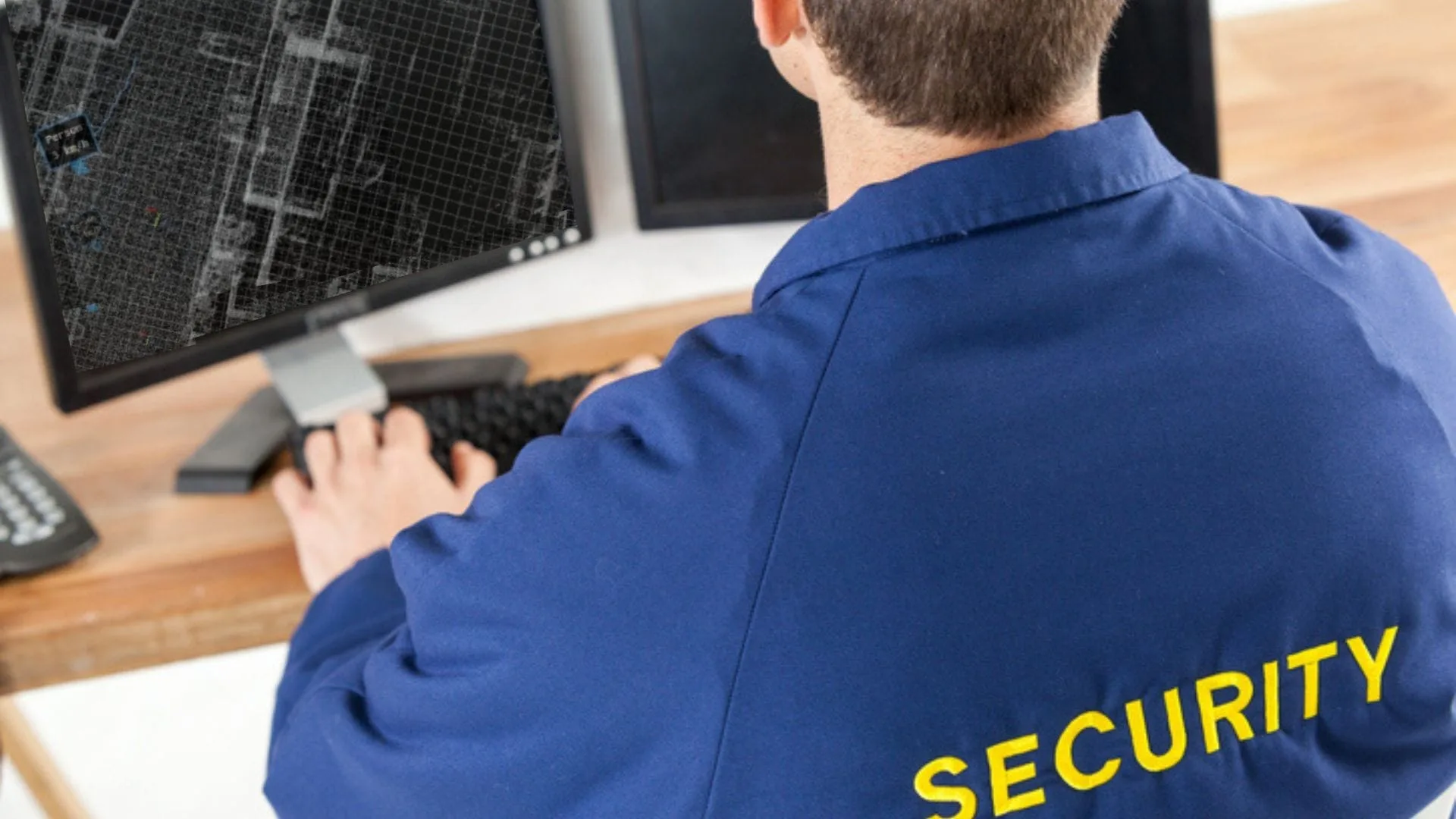
Skip to content
Insights
Proactive approach to Physical Security enabled by LiDAR Based Spatial AI

Stay One Step Ahead with LiDAR Based Security Solutions

LiDAR technology is transforming the security industry by offering high-accuracy, all-weather monitoring, reducing false alarms, and enhancing perimeter & access control.


In the security and surveillance landscape, LiDAR (Light Detection and Ranging) technology is changing the way we monitor and protect various environments.

LiDAR based security solutions helps security teams monitor and analyze public spaces in real-time while staying one step ahead of potential threats, and keeping infrastructures safe.

The Rise of LiDAR in Security

Traditionally, security systems have relied on a combination of cameras, thermal sensing and manual monitoring to detect and respond to threats.

However, these methods often fall short in challenging conditions such as low light, adverse weather, or complex environments.

A detailed comparison of LiDAR, Radar and Camera Technology

This article explores the capabilities and limitations of each type of sensor, to provide a clear understanding of why LiDAR has emerged as a strong contender in computer vision tech race.

Read article →
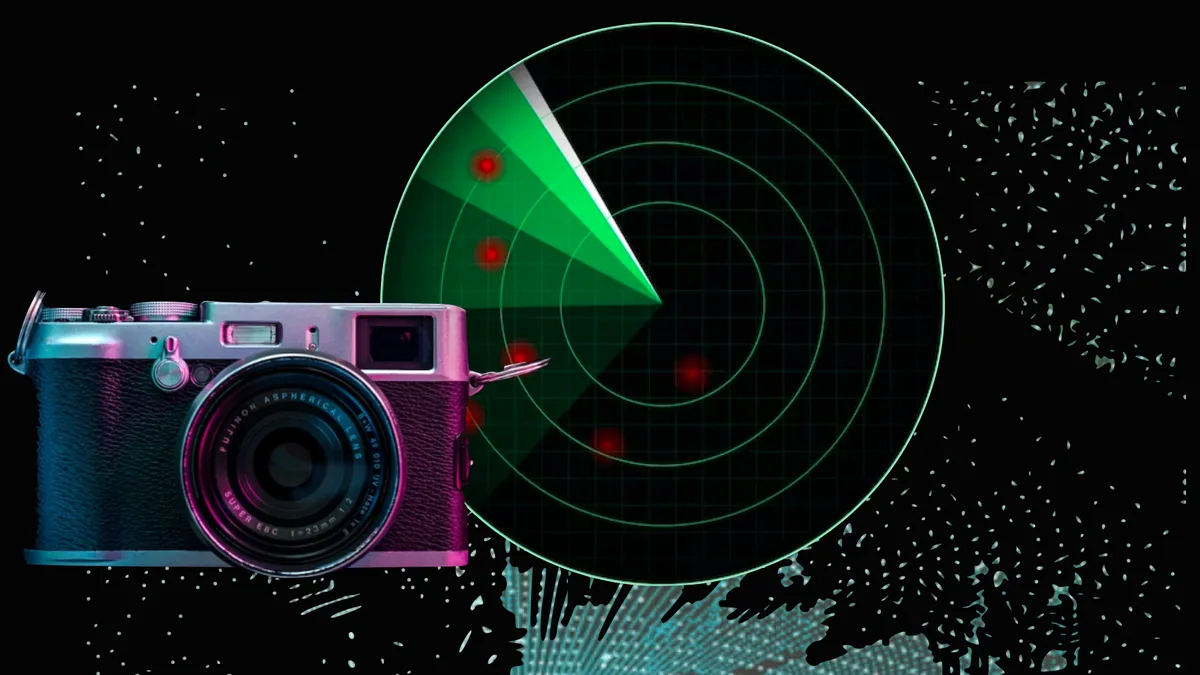
LiDAR technology overcomes these limitations by providing high-resolution, 3D mapping and object detection regardless of external conditions like rain, fog or darkness.

LiDAR technology is improving public safety by creating high-resolution visuals of public areas to detect suspicious activity, track the movements of individuals, and identify potential security threats before they occur.

It is a top choice for monitoring and security applications, as it can detect the slightest changes in the area.
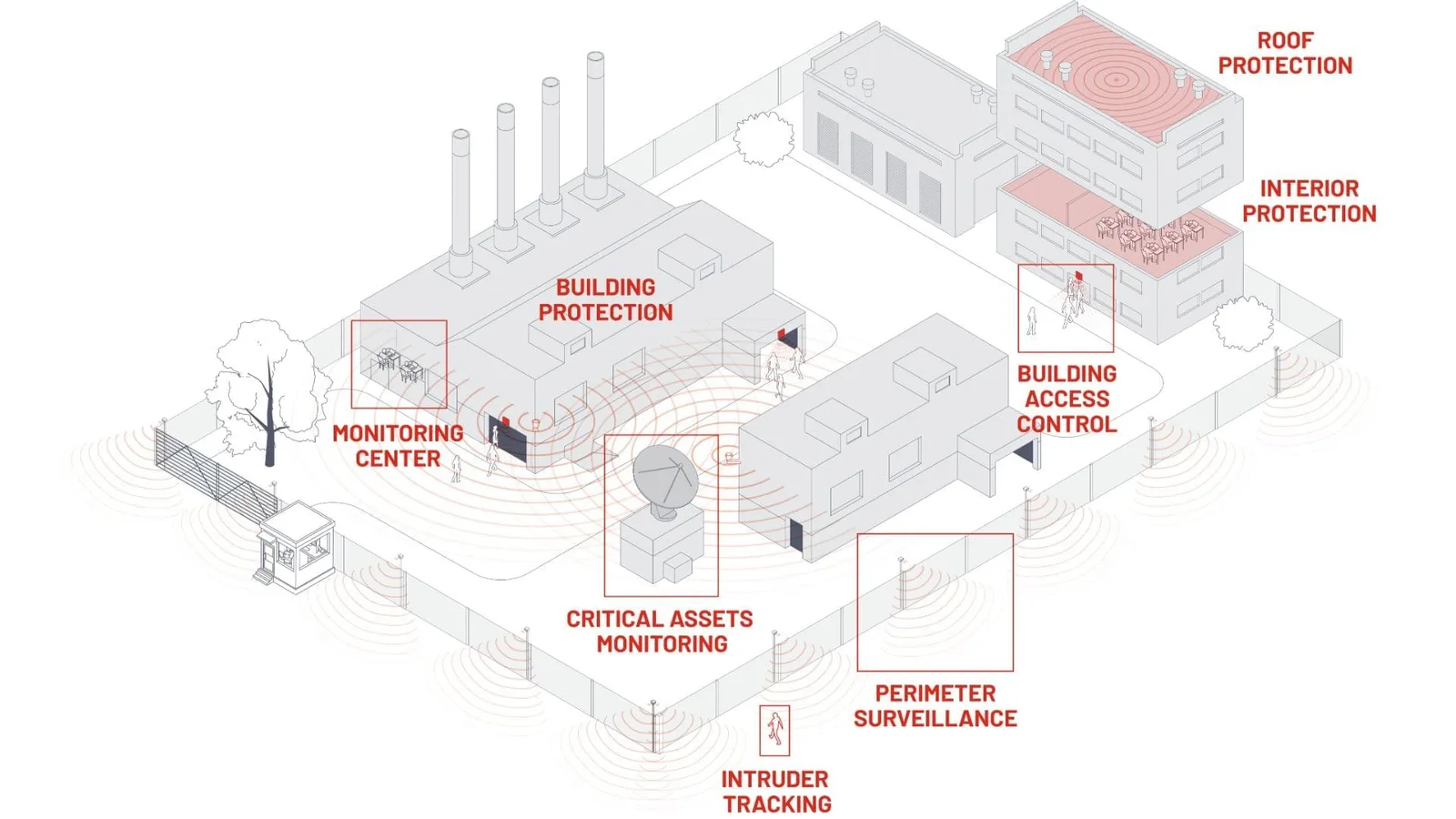
Applications of LiDAR Based Spatial AI in the security industry

We will cover the comprehensiveness of LiDAR Solutions below:

Perimeter Surveillance

Unlike traditional technology, LiDAR systems when used with the right Spatial Data processing software, can differentiate between human and non-human movements, reducing false alarms and ensuring timely response to genuine threats.

LiDAR based Computer Vision technology enhances perimeter security by creating a virtual fence that detects intrusions with high accuracy.
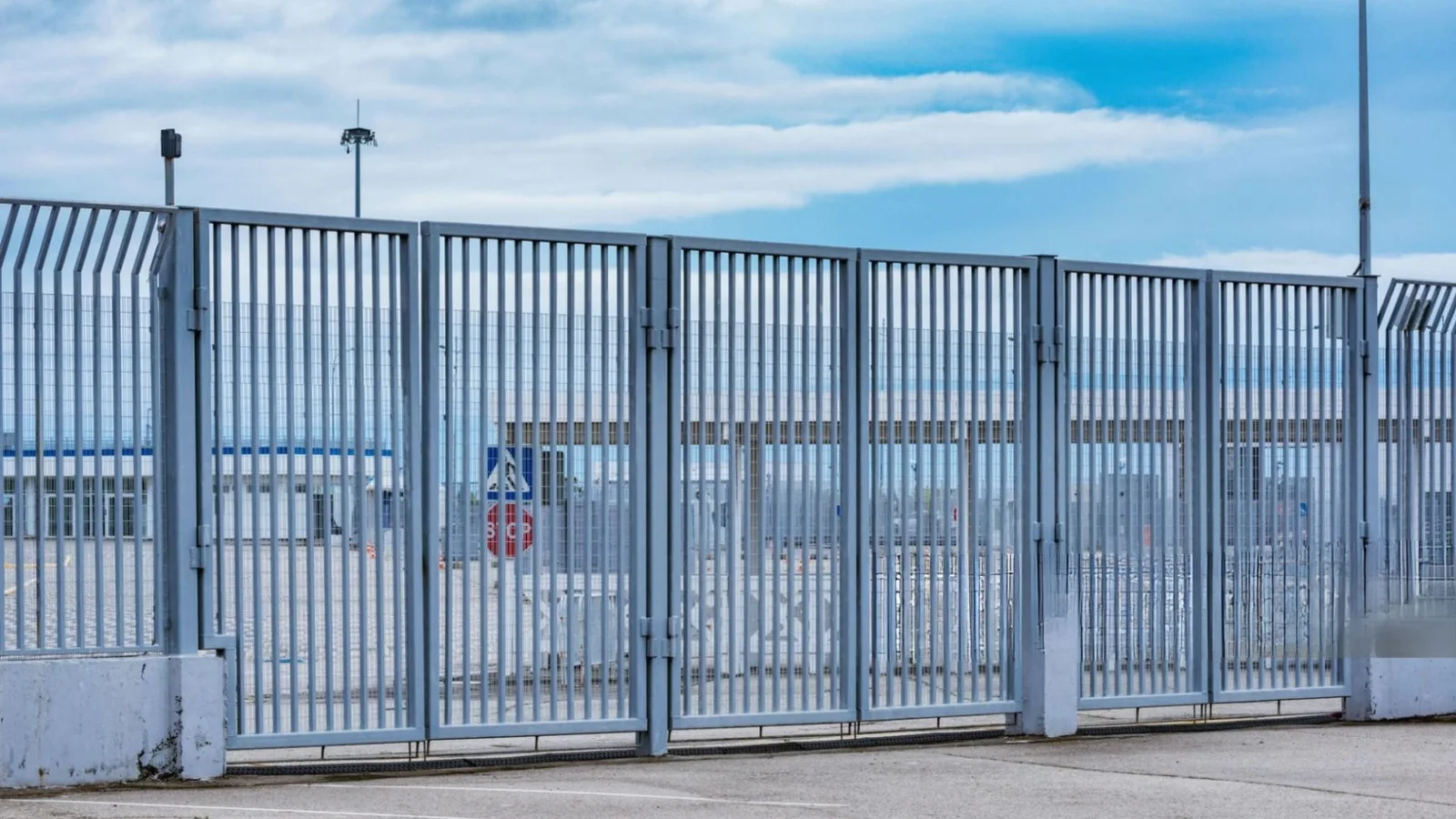
Perimeter Surveillance with LiDAR Technology

Intruder Tracking

LiDAR technology can track intruders in real-time, providing continuous updates on their location and movement.

As soon as a potential intruder is detected on premises, their exact location, speed and position can be known in real time with the help of Outsight’s Spatial AI which operates with the highest level of accuracy as compared to traditional methods of surveillance.

This capability is indispensable for large facilities where manual monitoring is impractical.
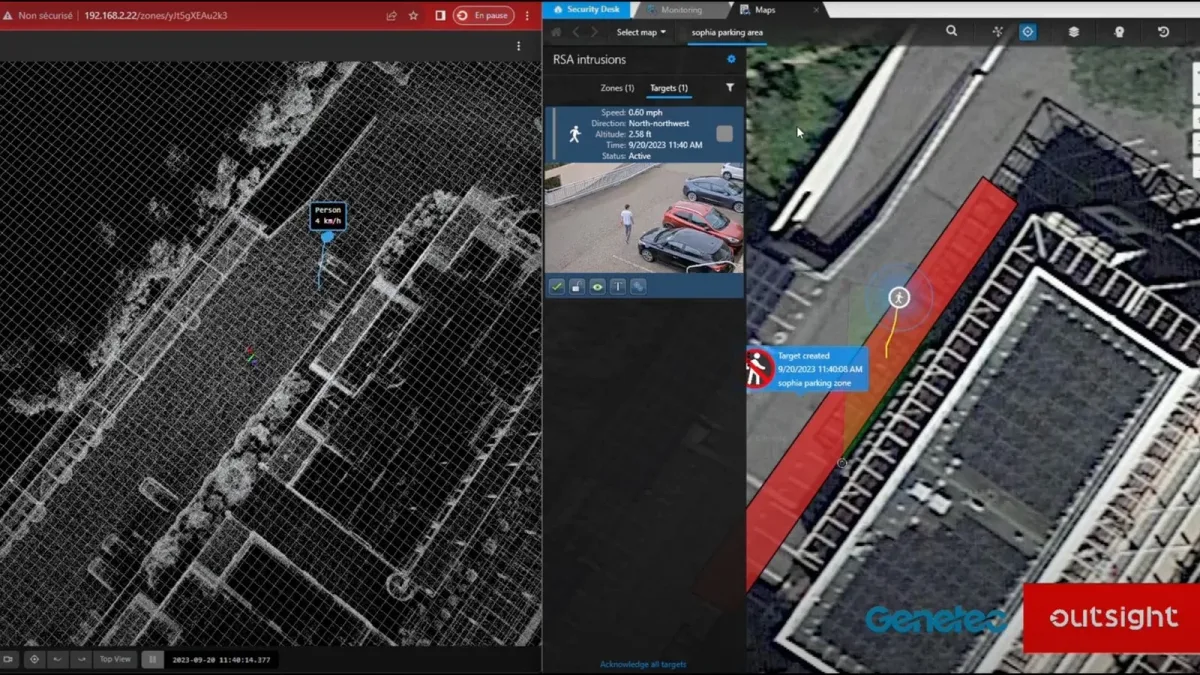
Outsight's Shift Perception which seamlessly integrates with leading VMS Software like Genetec and Milestone

Moreover, Spatial AI technology, like Outsight’s Spatial Intelligence Platform can be easily integrated with those of leading VMS Solutions like Genetec & Milestone for an added layer of benefit for security solutions.

Facade Surveillance
LiDAR systems are one of the very few systems that are adept at monitoring building facades for unauthorized access or activity.

By creating detailed 3D maps of exterior surfaces, Outsight’s LiDAR technology can detect attempts to scale or breach building walls, providing an additional layer of security against intrusion.
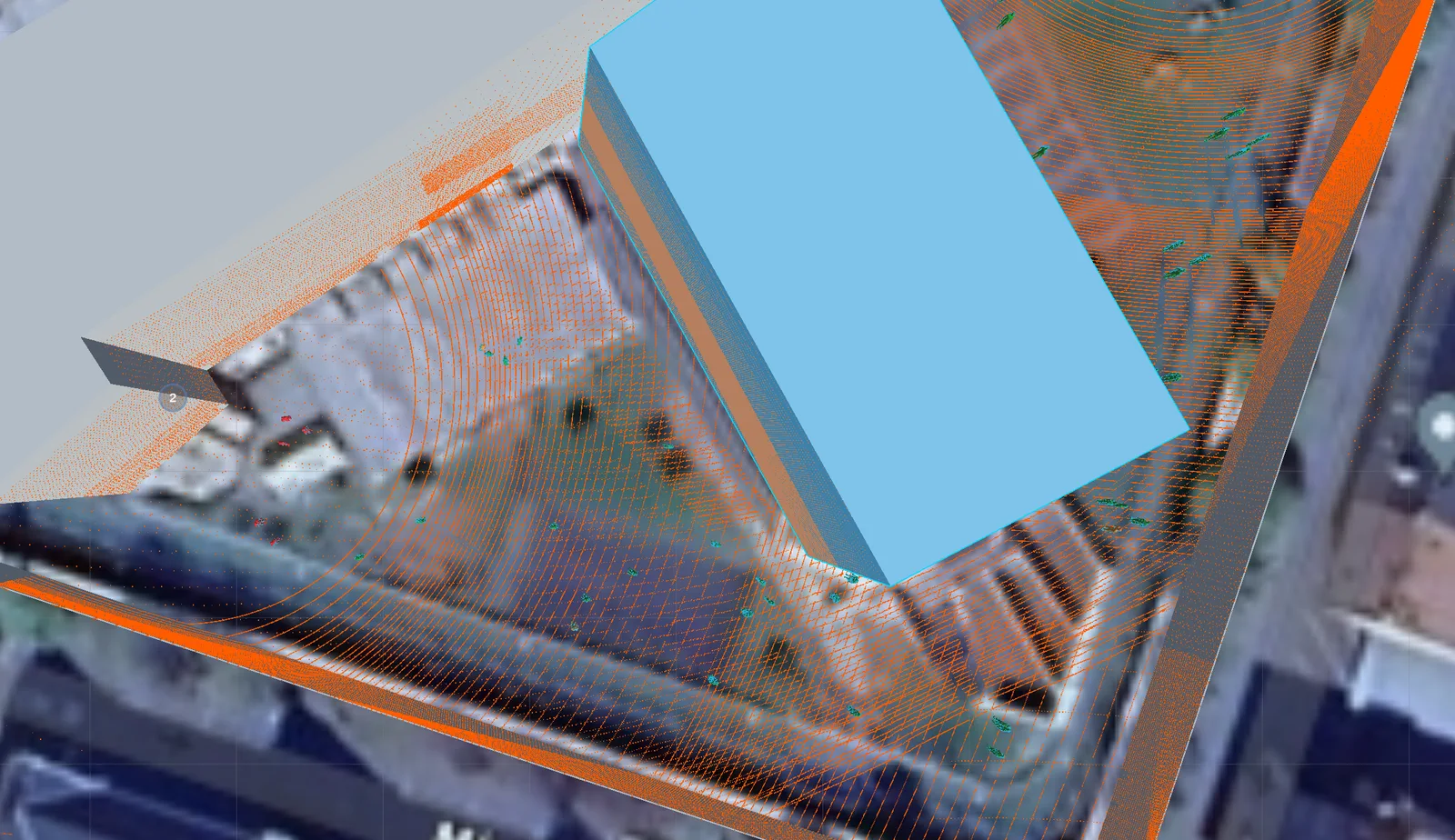
Outsight's 3D Perception Software for facade surveillance

Building Access Control

LiDAR systems enhance access control systems by monitoring entry and exit points with high precision to avoid instances of tailgating.

The right combination of LiDARs with a comprehensive data processing software like Outsight, can identify unauthorized access attempts and trigger alerts, integrating seamlessly with other security measures such as existing VMS Systems to fortify building security.

Zone Based Critical Assets Monitoring

Protecting critical infrastructure and assets is a top priority for many organizations.
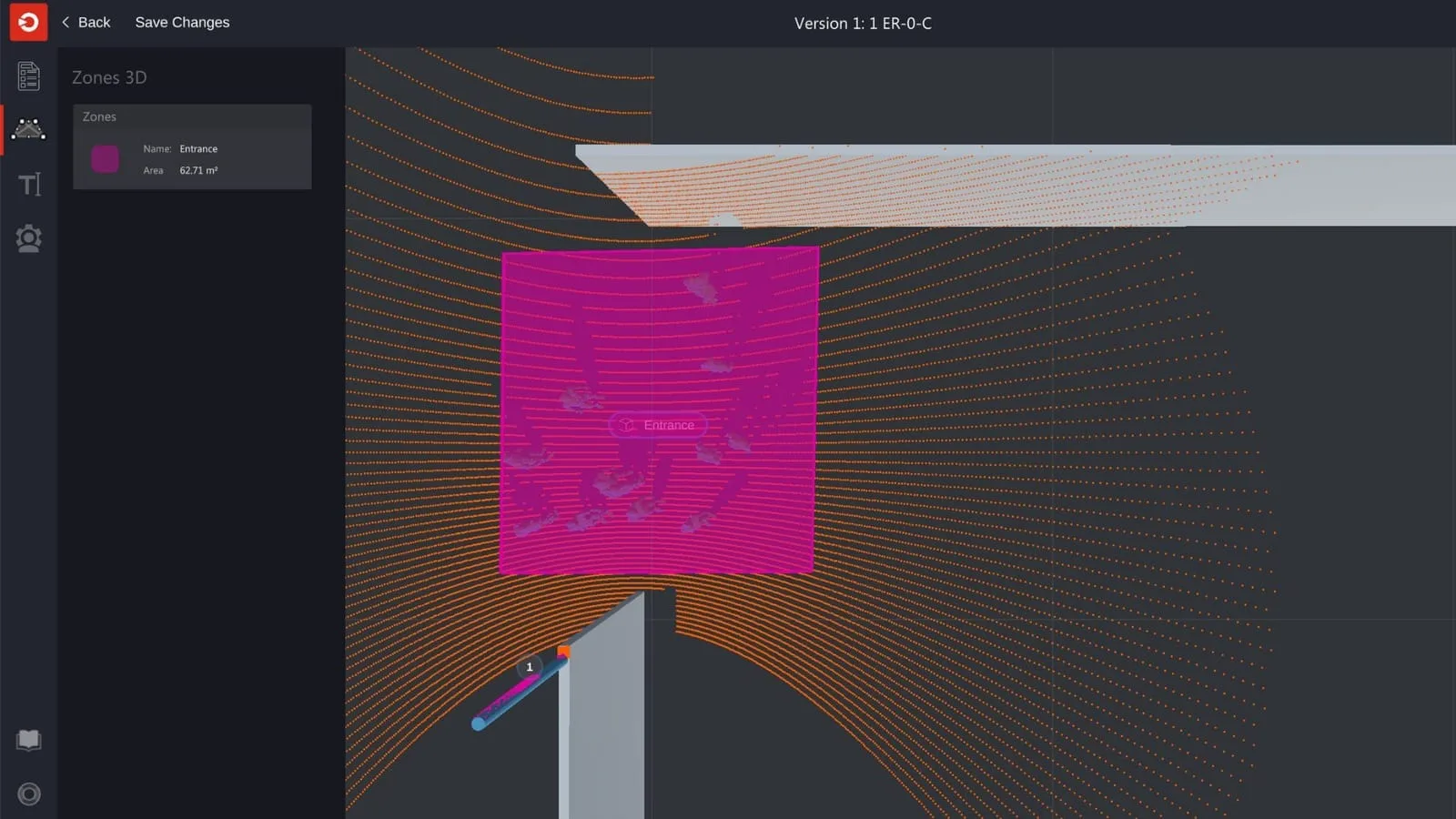
Zone based monitoring of critical assets or important areas in the premises to fortify security

Zone-based monitoring with Outsight’s Shift Perception solution

Outsight’s Spatial Intelligence Platform provides continuous monitoring of vital equipment and areas, detecting any unusual activity or potential threats in these custom-made zones.

This proactive approach ensures that vulnerabilities are addressed before they can be exploited.

Interior and Roof Protection

LiDAR systems are not limited to external surveillance; they are equally effective indoors and on rooftops.

By creating detailed maps of interior spaces, LiDAR can detect unwarranted movements within buildings and provide rooftop security against potential breaches.
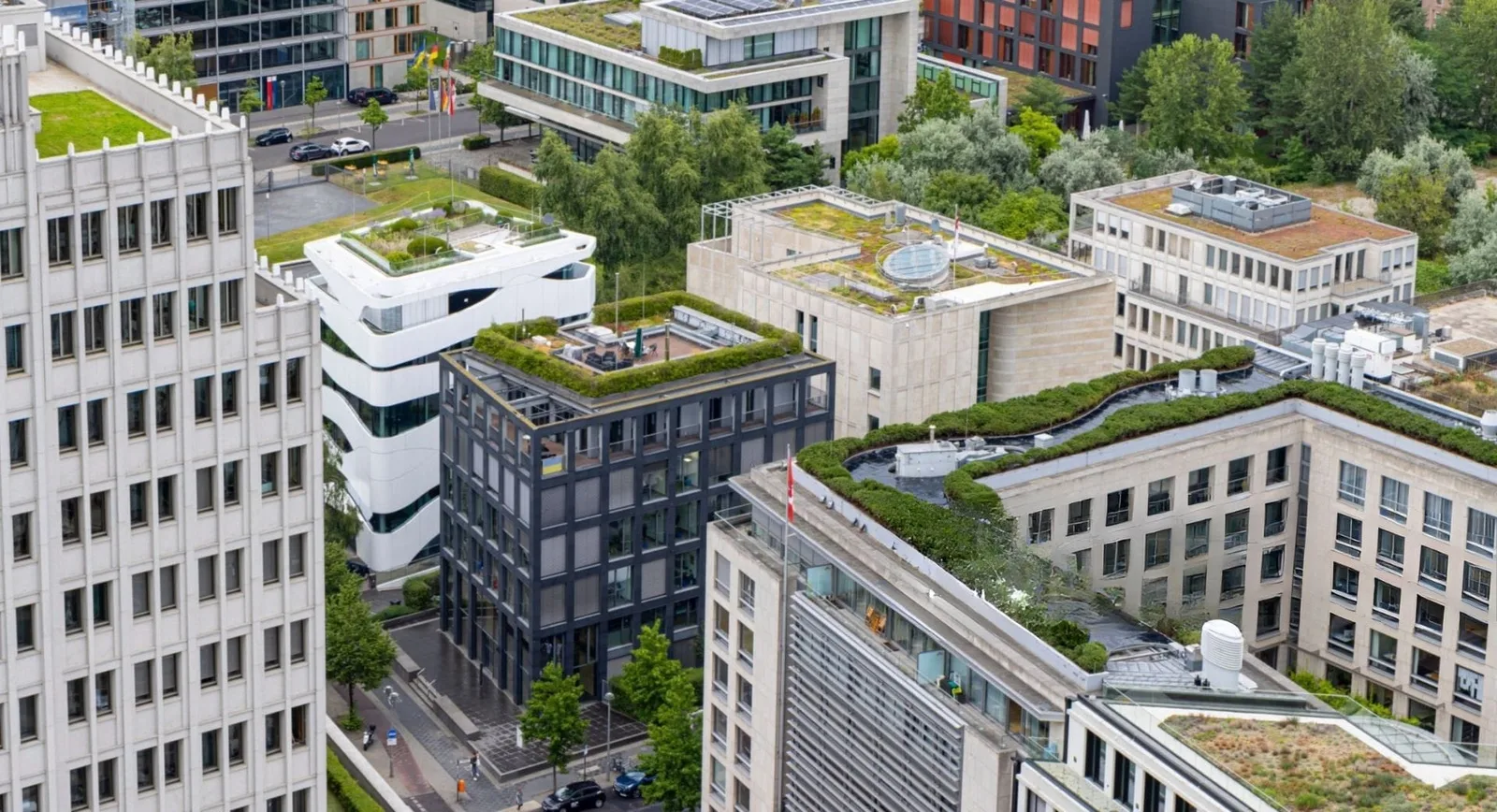
3D Computer Vision based security systems outperform traditional systems for indoor as well as outdoor applications

Advantages of LiDAR Technology in Security

  1. High Accuracy: LiDAR systems offer centimeter-level accuracy, making them ideal for precise security applications.
  2. All-Weather Performance: Unlike cameras, LiDAR operates effectively in various weather and lighting conditions, including fog, rain, and darkness.
  3. Reduced False Alarms: By distinguishing between different types of movements, LiDAR significantly reduces the incidence of false alarms.
  4. Scalability: LiDAR technology can be scaled to cover large areas and complex environments, providing flexible solutions for diverse security needs.
  5. Integration with Existing VMS Systems: LiDAR can be easily integrated with other Camera based VMS like Genetec & Milestone, enhancing overall system effectiveness.

LiDAR Enhances Security Solutions

LiDAR-based security systems, with the right perception software, provide smart, efficient, and automated means of preventing threats and avoiding false positive detections.

Read article →

The Adoption of LiDAR Based Security Solutions

From safeguarding critical infrastructure to enhancing public safety, LiDAR is playing a pivotal role in creating safer environments.

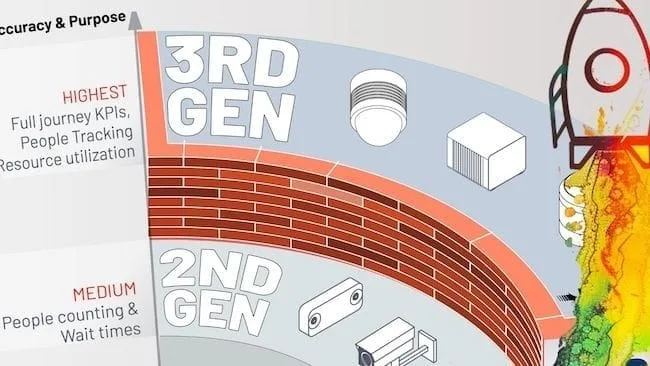
This third-gen technology is outperforming its predecessors across all applications:

Introducing 3rd Gen People Counting Technology

Mirroring the technological evolution seen across various industries, People Tracking and Counting Technologies have already entered their third generation.

Read article →
In conclusion, LiDAR technology is transforming the security landscape by providing highly accurate, reliable, and scalable solutions.

Its ability to operate in diverse conditions and reduce false alarms makes it an invaluable tool for modern security systems.

Related Articles

AIRPORTS

Aeroporti di Roma to deploy Outsight's Physical AI solution at scale across Rome Fiumicino Airport

Aeroporti di Roma (ADR) is expanding its collaboration with Outsight to a large-scale deployment across almost all Schengen common-use areas at Rome Fiumicino Airport.

CORPORATE

Intel and Outsight Announce Strategic Collaboration to Bring Physical AI–Powered Spatial Intelligence to the Enterprise Edge

Outsight’s Shift platform integrated into Google Distributed Cloud Edge powered by Intel Xeon 6 SoC – Live demonstration at Google Cloud Next 2026

Let's connect

Send us a Message

Drop your email and we'll get back to you as soon as possible.

Frequently Asked Questions

  • How does LiDAR handle tailgating detection at access control points?

    Tailgating, where a second person follows an authorized entrant through a secured door before it closes, is difficult for badge readers to catch because they log credentials, not bodies. LiDAR tracks every physical entity in a monitored zone with a persistent anonymous ID and centimeter-level precision, so it can detect two distinct bounding boxes passing through a single-entry event. Outsight's infrastructure-based approach applies exactly this logic: the SHIFT platform assigns each detected shape a unique track, flags the second body crossing the threshold within a sub-50ms end-to-end pipeline, and can trigger a door-hold or access panel response before the trailing individual clears the entry. Because LiDAR captures geometry and motion rather than faces or biometric data, the detection is anonymous by definition, which simplifies compliance in privacy-sensitive facilities such as datacenters.

  • Can LiDAR monitor building facades and rooftops where cameras have no useful vantage point?

    Vertical and overhead surfaces are a structural blind spot for fixed cameras, which need a direct sightline to a face or recognizable feature. A 3D LiDAR sensor measures the geometry of a surface continuously, detecting displacement, such as a person scaling a wall or moving across a flat roof, as a change in the point cloud rather than as a recognizable image. This makes facade and rooftop coverage practical without mounting cameras at impractical angles or heights. Outsight's infrastructure-based approach extends this principle further: sensors are embedded in the surrounding environment rather than on any moving entity, enabling continuous 3D geometry capture across surfaces that conventional optics cannot cover, while remaining anonymous by definition since LiDAR records shape and motion rather than faces or biometric data.

  • What is zone-based monitoring in a LiDAR security deployment?

    Zone-based monitoring divides a physical site into operator-defined polygons tied to specific assets or risk levels. Each zone carries its own alert thresholds: a server room may trigger immediately on any detected presence after hours, while a loading dock may alert only when dwell time exceeds a set limit. Because LiDAR tracks entities with persistent IDs across zone boundaries, an operator can follow an intruder's path from the perimeter through successive zones in a single unbroken trajectory, rather than correlating separate sensor events. Outsight applies this capability through its SHIFT platform, which supports configurable zone logic on top of a real-time anonymous 3D representation of all moving entities, a setup already in use at security-sensitive facilities such as datacenters where precise, privacy-compliant monitoring is a core requirement.

  • How does LiDAR-based security perform on a building interior compared to outdoor perimeters?

    Indoor environments introduce narrow corridors, reflective surfaces, and dense furniture that create occlusions for any single sensor. LiDAR deployments address this with shadowless perception: multiple sensors are fused into one shared point cloud so a person hidden from one unit is still tracked by another. Outsight applies exactly this principle in security-sensitive facilities such as datacenters, where its infrastructure-based approach places LiDAR in the ceiling and walls rather than on mobile units, allowing the SHIFT platform to maintain continuous coverage across complex floor plans. The same processing pipeline that covers an outdoor perimeter runs identically indoors, with sensor placement and zone configuration adapted to ceiling height and layout rather than requiring a separate processing architecture.

  • Does LiDAR security require replacing an existing video management system?

    LiDAR spatial intelligence layers on top of an existing video management system rather than replacing it. Tracked entity events, positions, trajectories, and zone alerts are streamed via documented APIs into VMS platforms such as Genetec and Milestone. Camera feeds remain active for post-incident review and identification workflows. The LiDAR layer handles real-time detection and false-alarm filtering; the VMS handles video recording and operator workflow, each doing what it does best. Outsight's SHIFT platform is built around this open-integration model, feeding anonymized 3D motion data into existing security infrastructure so operators can upgrade detection capability without discarding the video workflows already in place.

  • How does LiDAR security hold up in environments with fog, smoke, or industrial haze?

    LiDAR emits near-infrared laser pulses and measures the time each pulse takes to return from a surface. This active sensing principle is largely unaffected by fog, light rain, or industrial particulates at the ranges typical of security applications (generally within 100 meters). Cameras lose contrast and thermal sensors lose resolution in the same conditions, while LiDAR's detection accuracy and false-alarm rate remain stable across weather and lighting variations. Outsight builds on this physical advantage through its Infrastructure-based Physical AI approach, processing LiDAR point clouds through a sub-50ms end-to-end pipeline to deliver consistent situational awareness even in degraded visibility environments. That combination of all-weather stability and real-time 3D perception is why LiDAR is increasingly the primary sensor in outdoor and industrial security deployments, including security-sensitive facilities such as datacenters, where camera-only systems prove unreliable.