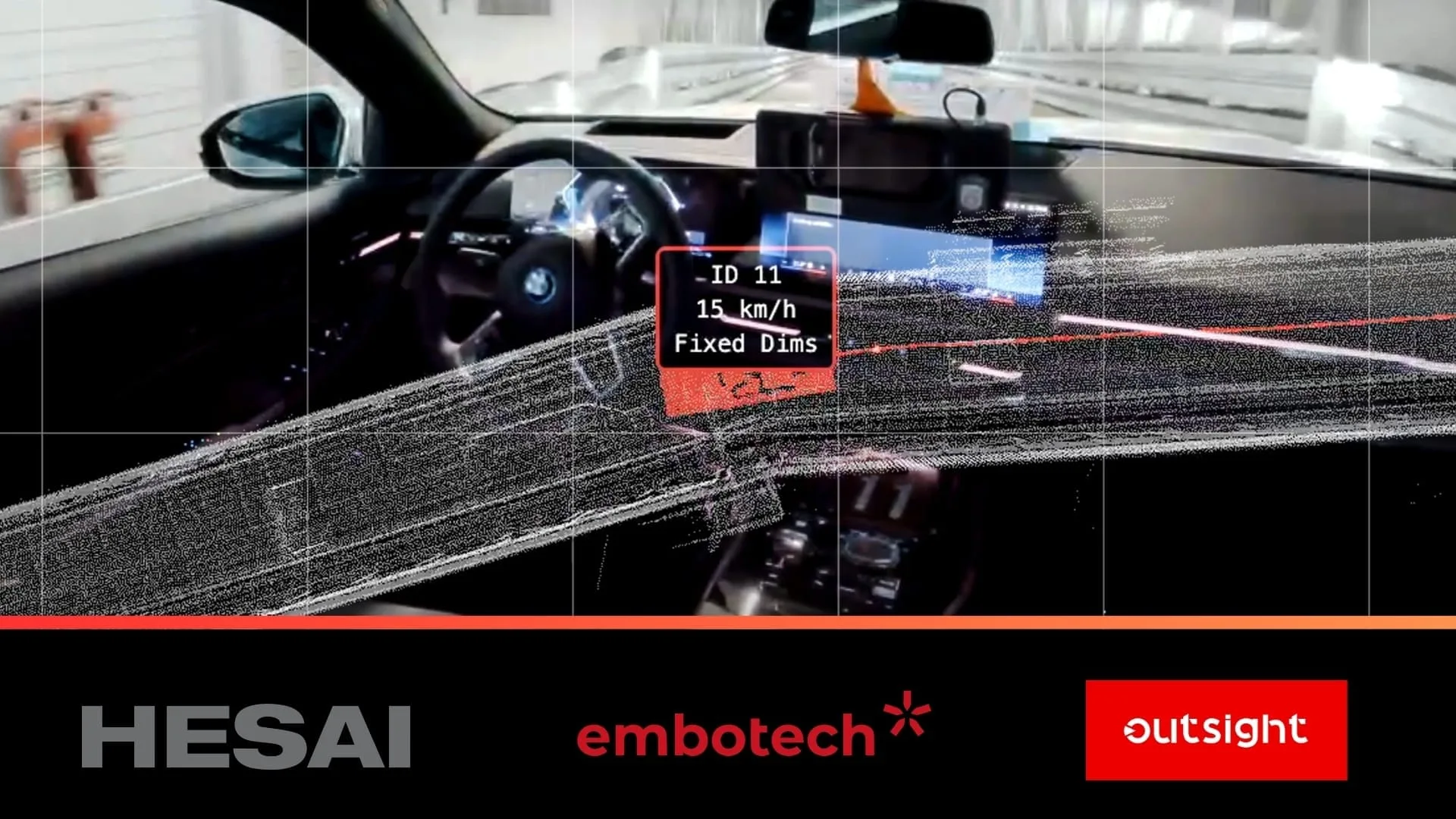
Skip to content
Insights
Autonomous BMW Vehicles powered by Outsight's Physical AI solution

Outsight’s Software Solution Powers Automation Across BMW Factories

BMW has taken a significant step toward integrating autonomous capabilities within its production network, relying on Outsight’s innovative Roadside Autonomous Driving (RAD) solution.


LiDAR technology enables BMW’s latest Series 5, Series 7, and MINI Countryman models to navigate autonomously to their finishing areas, showcasing the remarkable potential of this technology and Spatial Intelligence in modern manufacturing.

As part of its commitment to automation, BMW began deploying Automated Driving In-Plant (AFW) at its Dingolfing plant, the largest in Europe.

Using Outsight’s RAD solution and feedback from advanced LiDAR sensors, new vehicles autonomously travel over one kilometer from assembly halls, through test courses, to finishing zones.
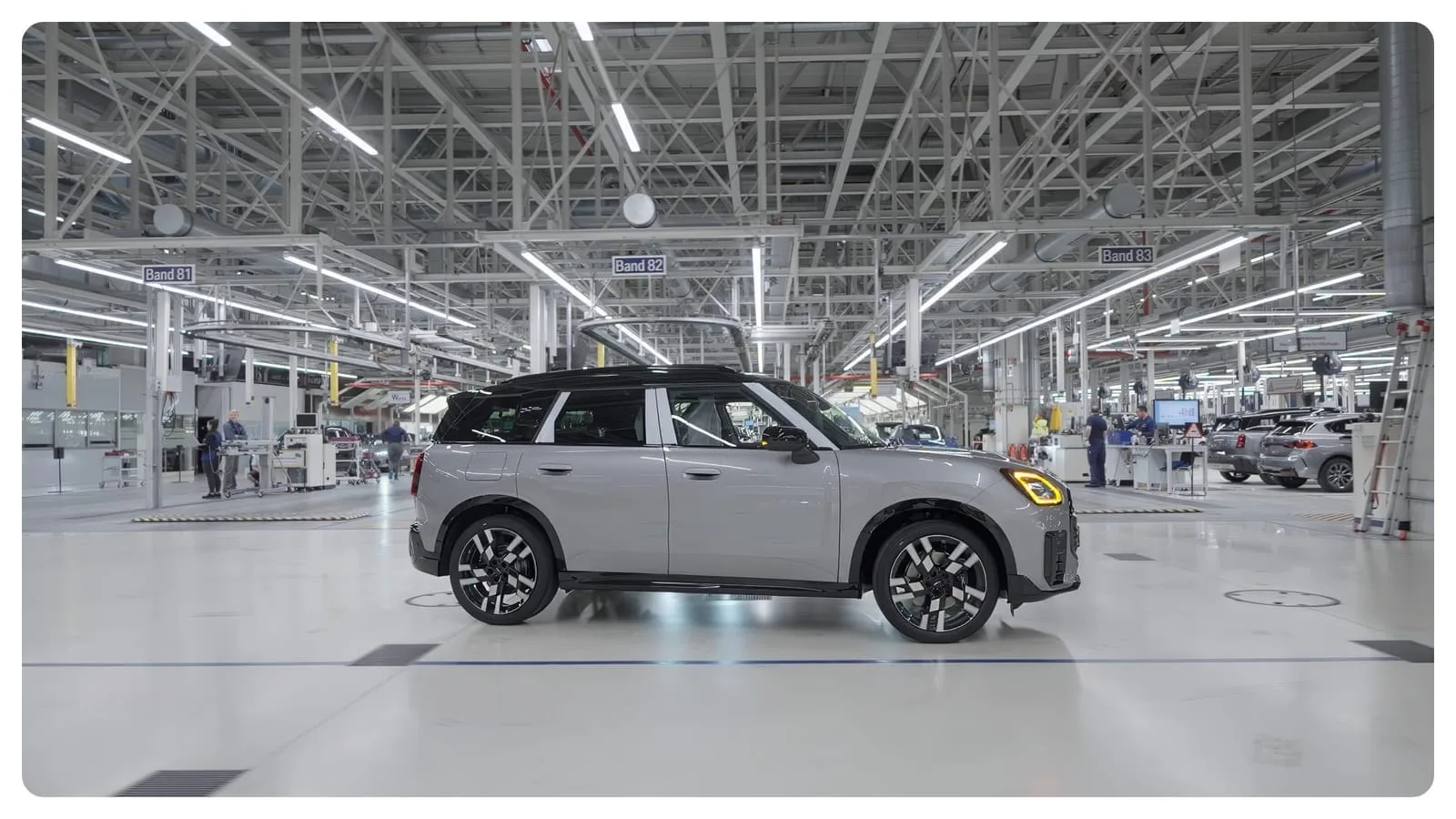
Bmw automated driving in plant with lidar by outsight

This breakthrough enhances both efficiency and safety, as Outsight’s RAD processes 60 million LiDAR data points per second to guide approximately 300 cars daily at Dingolfing.

In collaboration with Embotech and Hesai, Outsight has played a pivotal role in delivering BMW’s Automated Vehicle Marshalling (AVM) systems, an essential component of AFW.

Embotech’s autonomous driving expertise, Hesai’s LiDAR sensors, and Outsight’s perception software form the backbone of this innovative system.
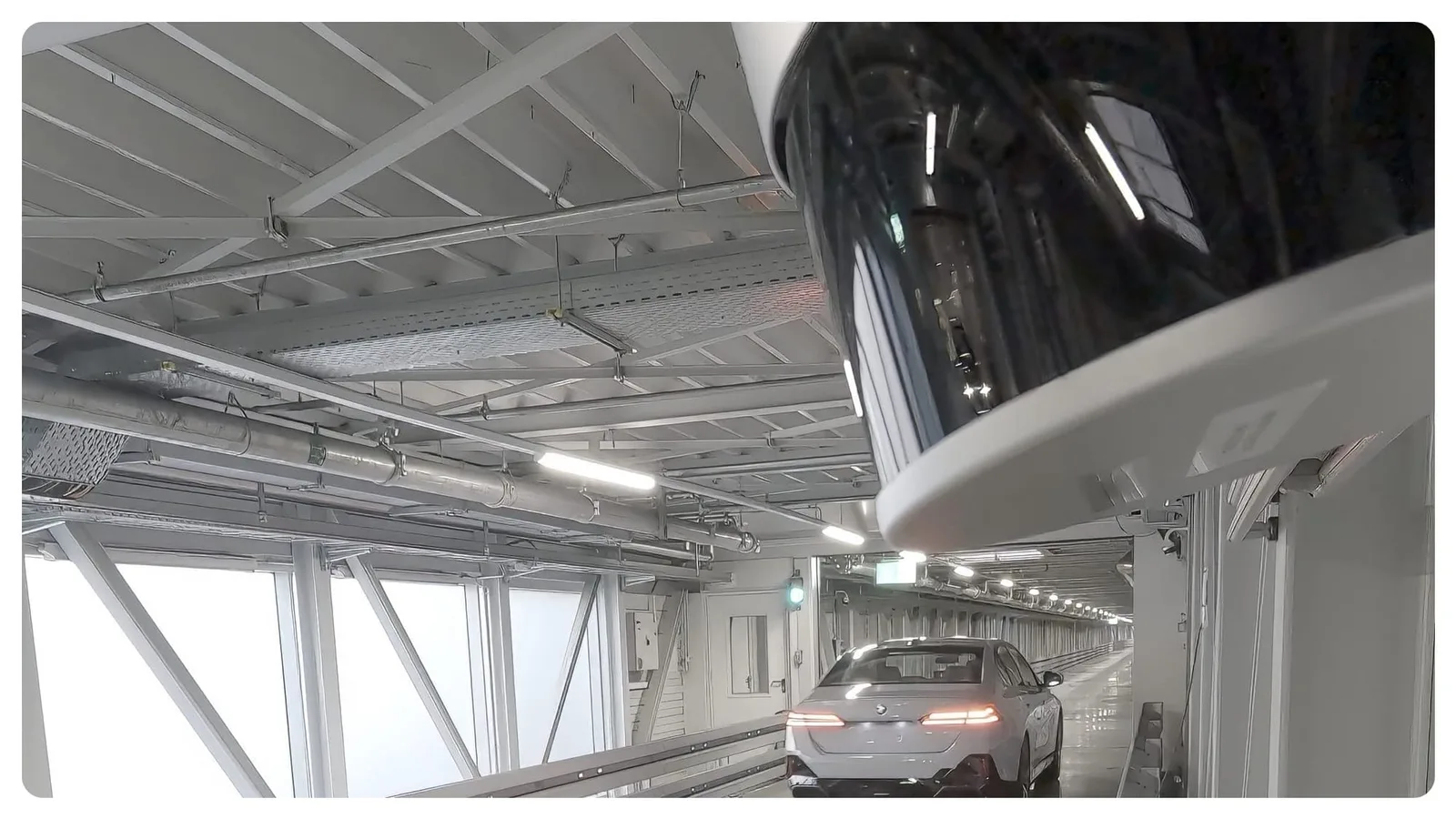
Bmw autonomous driving outsight

The technology ensures precision and safety as vehicles autonomously navigate BMW facilities without human intervention.

Expanding the Impact of LiDAR Technology

With CE certification secured, BMW plans to roll out across factories in Leipzig, Regensburg, Oxford, and the upcoming Debrecen facility in Hungary.

This initiative marks a leap forward in combining autonomous driving technologies with real-world industrial applications.

The implementation will contribute to BMW’s goal of logging millions of autonomous kilometers within its production network over the next decade.
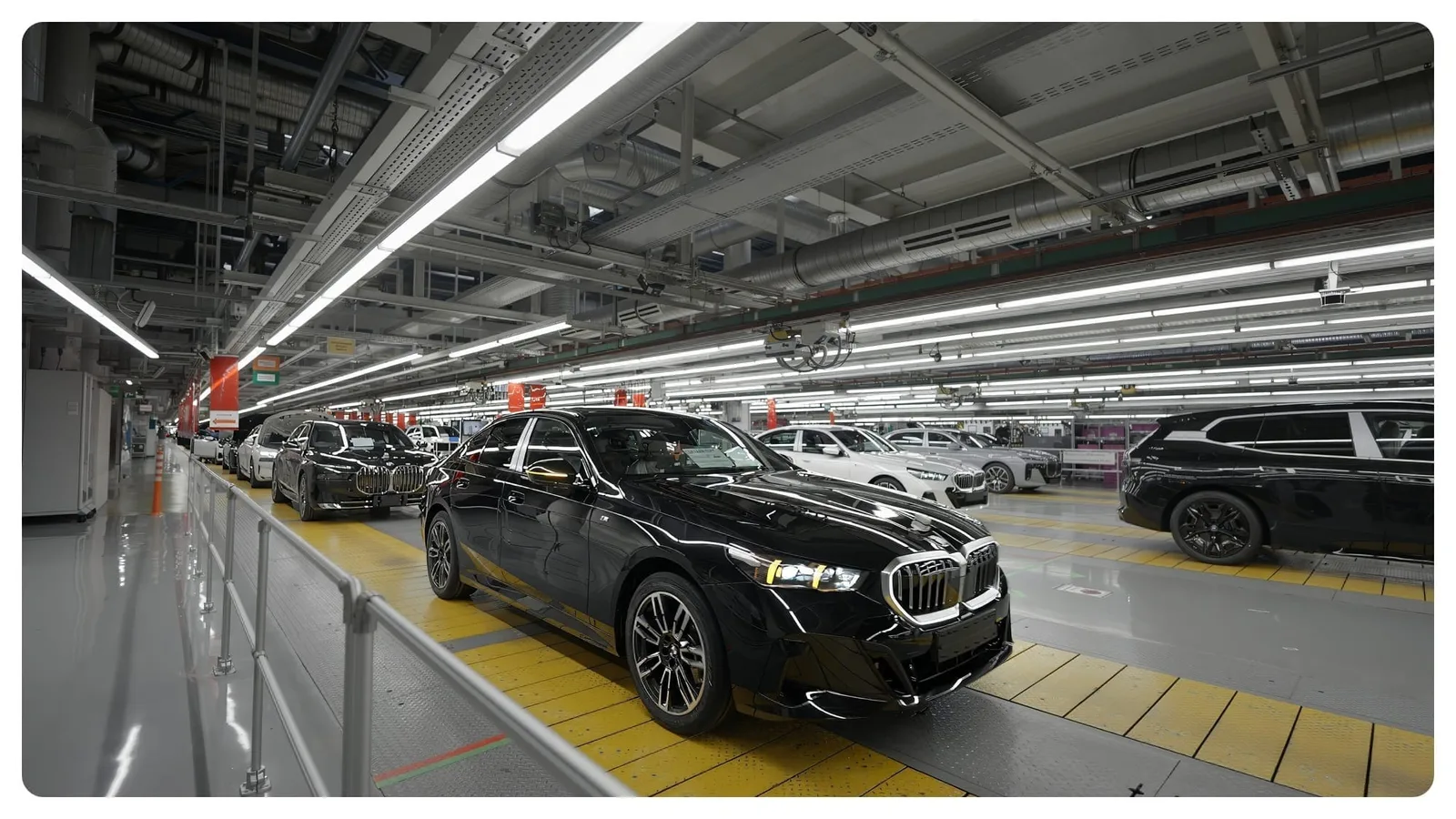
Expansion of lidar automation in bmw factories by outsight

LiDAR’s utility in dynamic environments extends beyond manufacturing, with proven applications in large venues such as airports and stadiums to enhance crowd management.

Outsight’s Roadside Autonomous Driving (RAD) solution, which is hardware-agnostic, processes up to 600 million data points per second and allows integration with sensors from multiple manufacturers.

This versatility enables swift hardware upgrades, ensuring future scalability.

How Roadside Autonomous Driving for Parking Works

What it is and how it works, Roadside Autonomous Driving (RAD) solutions, a specific segment of the broader Automated Valet Parking (AVP) market.

Read article →

The RAD solution is the software based for Automated Vehicle Marshalling in the BMW plant.

A Vision for the Future of Autonomous Manufacturing

Embotech, Outsight and Hesai have successfully collaborated for several years, jointly advancing LiDAR and perception solutions for autonomous driving.

“The combination of Outsight’s sophisticated LiDAR software platform and Hesai’s reliable LiDAR sensors perfectly complements Embotech’s autonomous driving expertise,” says Dr. Alexander Domahidi, CTO and Founder of Embotech. “This collaboration ensures the highest standards of safety and efficiency in BMW’s automated vehicle operations.”
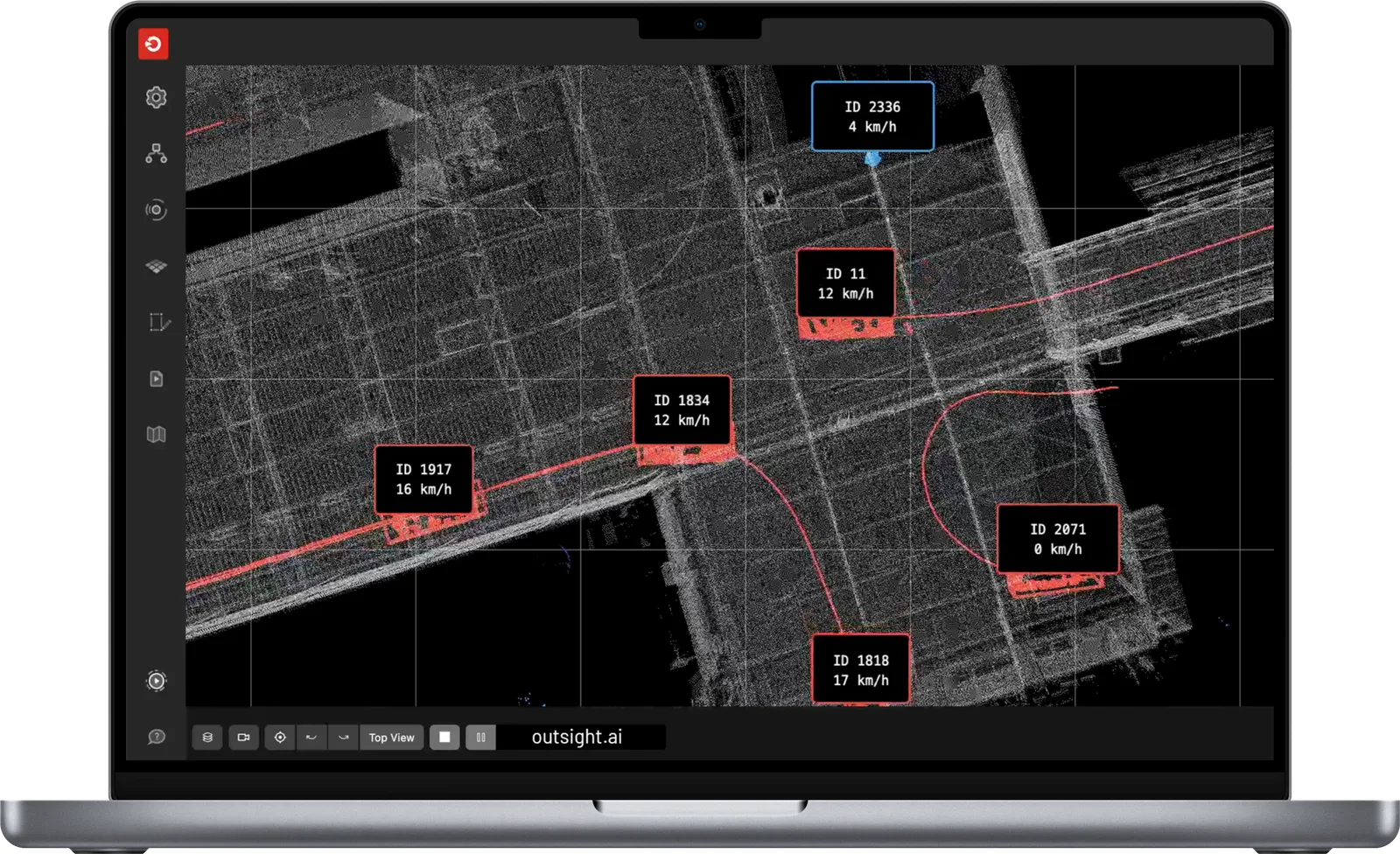
Lidar and perception solutions for avm by outsight

This latest strategic collaboration builds upon a strong foundation, enabling the companies to provide best-in-class technology for AVM, which is safety rated, fulfilling the highest performance and availability requirements.

According to Raul Bravo, President and co-founder at Outsight, “Our collaboration with Embotech, Hesai, and BMW highlights the increasing maturity of LiDAR technology, particularly the software underpinning it. Its application to real-world factory conditions demonstrate its ability to enhance industrial safety and efficiency, while underlining the importance of a comprehensive framework to realise the potential of autonomous driving.”
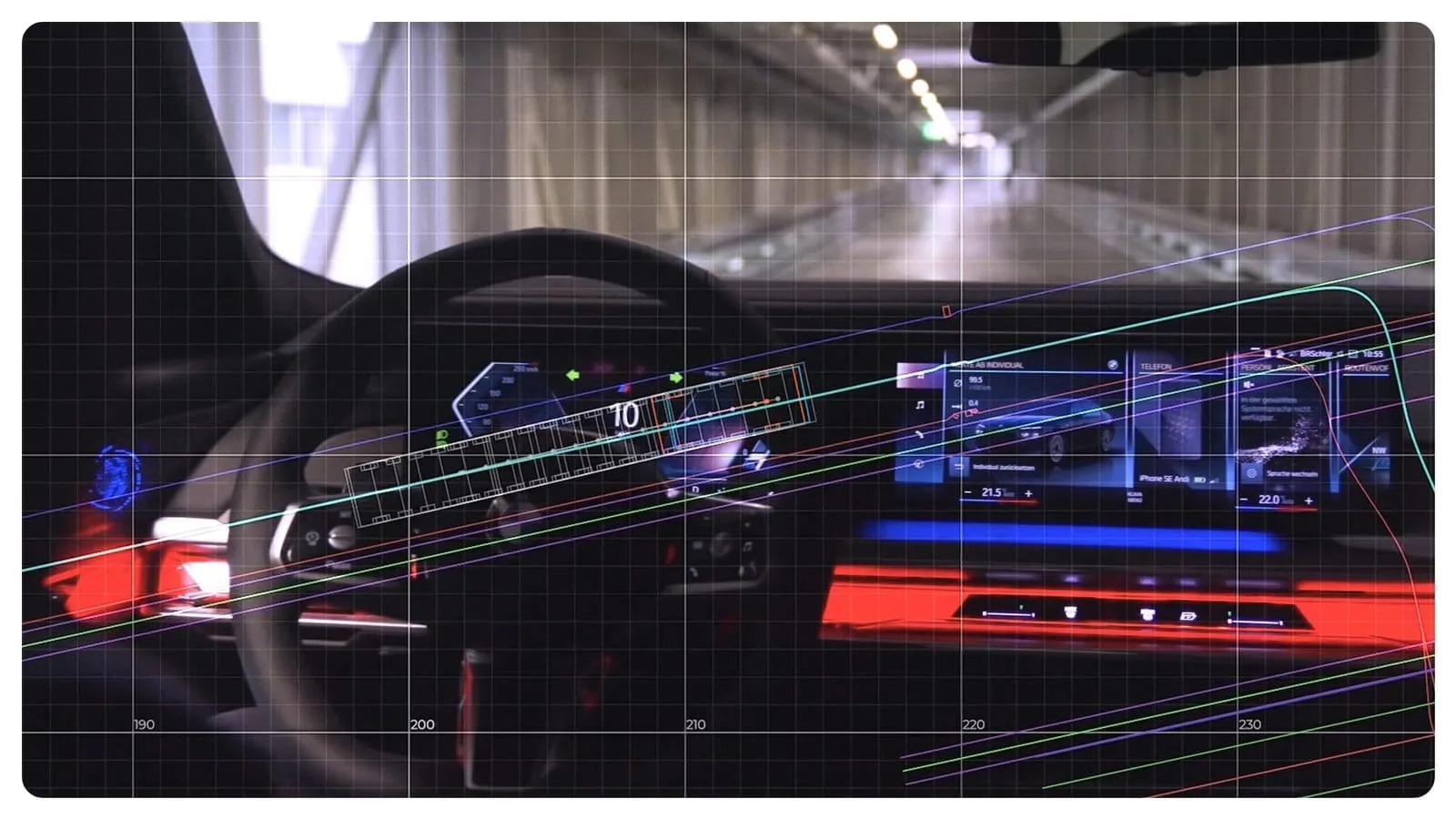
Lidar for bmw avm system by outsight and hesai

“Hesai is proud to partner with Embotech and Outsight to deliver cutting-edge lidar technology for BMW’s Automated Vehicle Marshalling (AVM) system,” says Dr. David Li, CEO and Co-founder of Hesai Technology. “This state-of-the-art technology demonstrates the high level of precision and safety offered by our lidar and Outsight’s perception software for Embotech’s autonomous driving solutions. We look forward to continuing our collaboration and bringing this technology to more factories around the world.”

The integrated solution is now actively supporting the marshalling of newly manufactured vehicles through various stages of the production and logistics process in three BMW facilities. This deployment marks the initial phase in a global rollout to multiple plants across Europe and North America.

Related Articles

APPLICATIONS

Automated Valet Parking: Roadside Autonomous Driving Explained

What it is and how it works, Roadside Autonomous Driving (RAD) solutions, a specific segment of the broader Automated Valet Parking (AVP) market.

CORPORATE

Outsight joins forces with Pôle Véhicule du Futur

We have joined Pôle Véhicule du Futur, a renowned competitiveness cluster focused on the future of vehicles and mobility.

Let's connect

Send us a Message

Drop your email and we'll get back to you as soon as possible.

Frequently Asked Questions

  • How does infrastructure-based LiDAR guide autonomous vehicles inside a factory compared to onboard sensors?

    Infrastructure-based LiDAR mounts sensors on fixed points throughout a facility, such as ceilings, poles, and gantries, giving the system a complete, occlusion-free view of every vehicle in motion across the entire plant floor. An onboard sensor sees only what is ahead of one vehicle and cannot track other vehicles simultaneously. The infrastructure model centralizes the perception workload: one software stack handles all vehicles at once, which simplifies safety certification and allows the autonomous-driving controller to receive a shared, site-wide picture rather than each vehicle reasoning in isolation. Outsight applies exactly this approach inside BMW factories through its Roadside Autonomous Driving solution, where infrastructure-mounted LiDAR feeds a unified 3D understanding of the production environment to guide autonomous vehicles without placing any perception hardware on the vehicles themselves.

  • What safety certification does BMW's in-plant autonomous vehicle system carry?

    The Automated Vehicle Marshalling system deployed at BMW's Dingolfing plant has obtained CE certification, the conformity marking required for machinery and automated systems operated in European industrial environments. CE certification verifies that the system meets EU safety, health, and environmental requirements. This certification was achieved through Outsight's RAD (Roadside Autonomous Driving) solution, which uses infrastructure-based LiDAR perception to guide autonomous vehicles through factory environments without relying on onboard sensors. The certified system then enabled rollout planning across additional BMW facilities in Leipzig, Regensburg, Oxford, and the planned Debrecen plant in Hungary.

  • How many data points per second does the BMW factory LiDAR perception system process?

    The Roadside Autonomous Driving solution deployed at BMW's Dingolfing plant processes up to 600 million LiDAR data points per second across the full system, with the per-vehicle guidance workload running at 60 million points per second. This throughput is delivered through Outsight's infrastructure-based approach, where LiDAR sensors are mounted in the facility rather than on each vehicle. That capacity is sufficient to guide approximately 300 vehicles per day through routes of more than one kilometer from assembly halls to finishing zones, without human intervention.

  • What role does each partner play in the BMW Automated Vehicle Marshalling system?

    Three companies provide distinct layers. Hesai supplies the physical LiDAR sensors mounted throughout BMW's facilities. Outsight's software ingests the raw sensor data and converts it into a real-time 3D perception stream, tracking each vehicle's position and trajectory through the SHIFT platform, which processes data end-to-end in under 50 milliseconds. Embotech provides the autonomous driving stack that consumes that perception stream and issues motion commands to the vehicles. The three components are independently replaceable because Outsight's software is hardware-agnostic across more than 210 LiDAR sensor models, reflecting the multi-vendor compatibility that underpins its Infrastructure-based Physical AI approach.

  • Can the same LiDAR perception software used for factory vehicle guidance also handle worker safety?

    Yes. Infrastructure-based LiDAR perception classifies both vehicles and people within the same 3D scene, distinguishing cars, trucks, pedestrians, and equipment simultaneously. In an automotive plant, this means the system can detect a worker entering a vehicle path and trigger a stop command before a collision occurs. Outsight's SHIFT platform applies exactly this principle across BMW factories, where the same classification pipeline that tracks autonomous vehicle trajectories also assigns bounding boxes and behavior labels to people. Worker-safety monitoring and vehicle guidance become complementary outputs of one shared sensor network rather than separate systems, reducing infrastructure overhead while covering both operational and safety requirements from a single deployment.

  • Why is a hardware-agnostic perception stack important for a multi-plant factory rollout?

    Large manufacturers rarely standardize on a single LiDAR sensor model across all facilities. Ceiling heights, bay widths, outdoor versus indoor exposure, and local procurement contracts all push different plants toward different sensor hardware. A software stack tied to one sensor vendor forces a costly hardware standardization project before deployment can scale. A hardware-agnostic stack, compatible with sensors from multiple manufacturers, allows each plant to select the sensor that fits its physical layout and budget while running the same software and producing the same structured perception output. Outsight's SHIFT platform is built on exactly this principle, supporting hardware from Hesai, RoboSense, Ouster, Velodyne, and others, which is part of why BMW has deployed it across multiple factories. That multi-vendor compatibility simplifies IT integration and operator training across a global production network without forcing a disruptive sensor consolidation program first.