Efficient passenger flow and reduced wait times are necessary to ensure a pleasant airport experience, significantly impacting the overall journey of travelers.
By implementing LiDAR technology and optimizing processes, airports can significantly enhance operational efficiency and customer satisfaction.
6 Key Benefits of LiDARs for Airports
LiDAR technology and Software is shaping a new wave of operational excellence, passenger experience and safety for airports of all sizes.
Read article →

Understanding Passenger Flow
Airports must understand passenger flow to provide a positive passenger experience. By analyzing passenger insights and peak vs. off-peak times, airports can optimize operations to reduce wait times and improve overall passenger satisfaction.
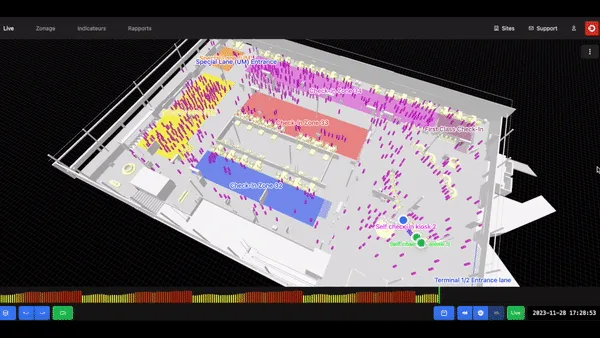
Outsight’s Spatial Intelligence dashboard for accurate passenger journeys, zones of interest, and queue management
Passenger Insights
To optimize the traveler’s experience, it’s essential for airports to thoroughly understand and manage passenger flow.
Outsight utilizes LiDAR data for accurate monitoring and management of how passengers move and congregate.
Airports can swiftly address congestion and efficiently distribute resources according to real-time needs.
Peak vs. Off-Peak Times
Managing the fluctuating volumes of passengers during peak and off-peak times is a critical challenge for airports.
Outsight’s people counting software helps airports manage peak times better by adjusting their operations to handle more passengers.
During busy periods, real-time congestion alerts allow staff to mitigate bottlenecks promptly.
LiDAR Manages Increased Airport Traffic
See how and why Airports are increasingly using LiDAR-based software solutions to tackle their biggest challenges, leveraging the unique value of Spatial Intelligence.
Read article →

In quieter times, this data supports scaled-back operations, optimizing resource use and reducing operational costs without compromising passenger experience.
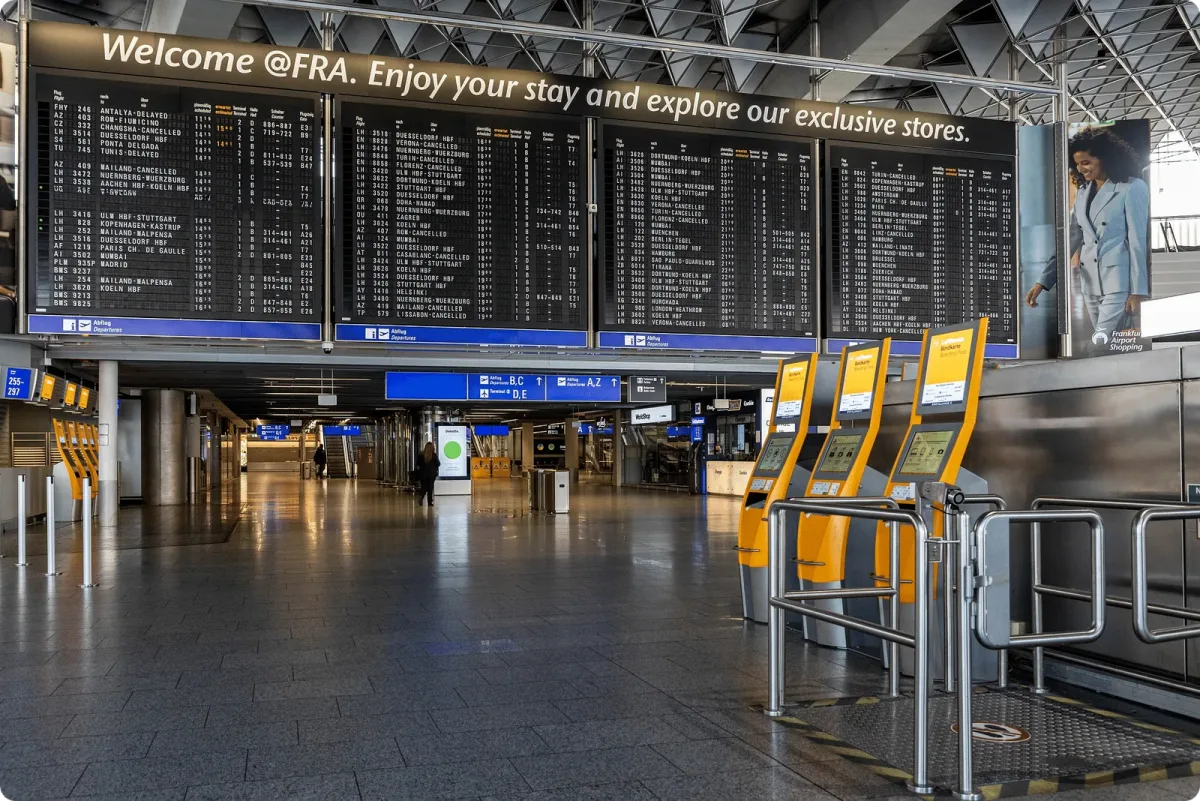
Enhancing Passenger Experience
Passenger experience has become an essential aspect of air travel. With increasing competition, airports and airlines focus on enhancing passenger experience to attract and retain customers.

Comfort and Convenience
Airports are increasingly focusing on enhancing comfort and convenience to improve passenger satisfaction.
This improvement is achieved through comfortable seating, relaxing lounges, and entertainment facilities to make waiting time more enjoyable.
Real-time occupancy data supports the strategic placement of amenities, ensuring facilities are neither overcrowded nor underutilized.
Airports can use Outsight’s zone-based KPIs for occupancy tracking to optimize the layout of seating areas, lounges, and other facilities.
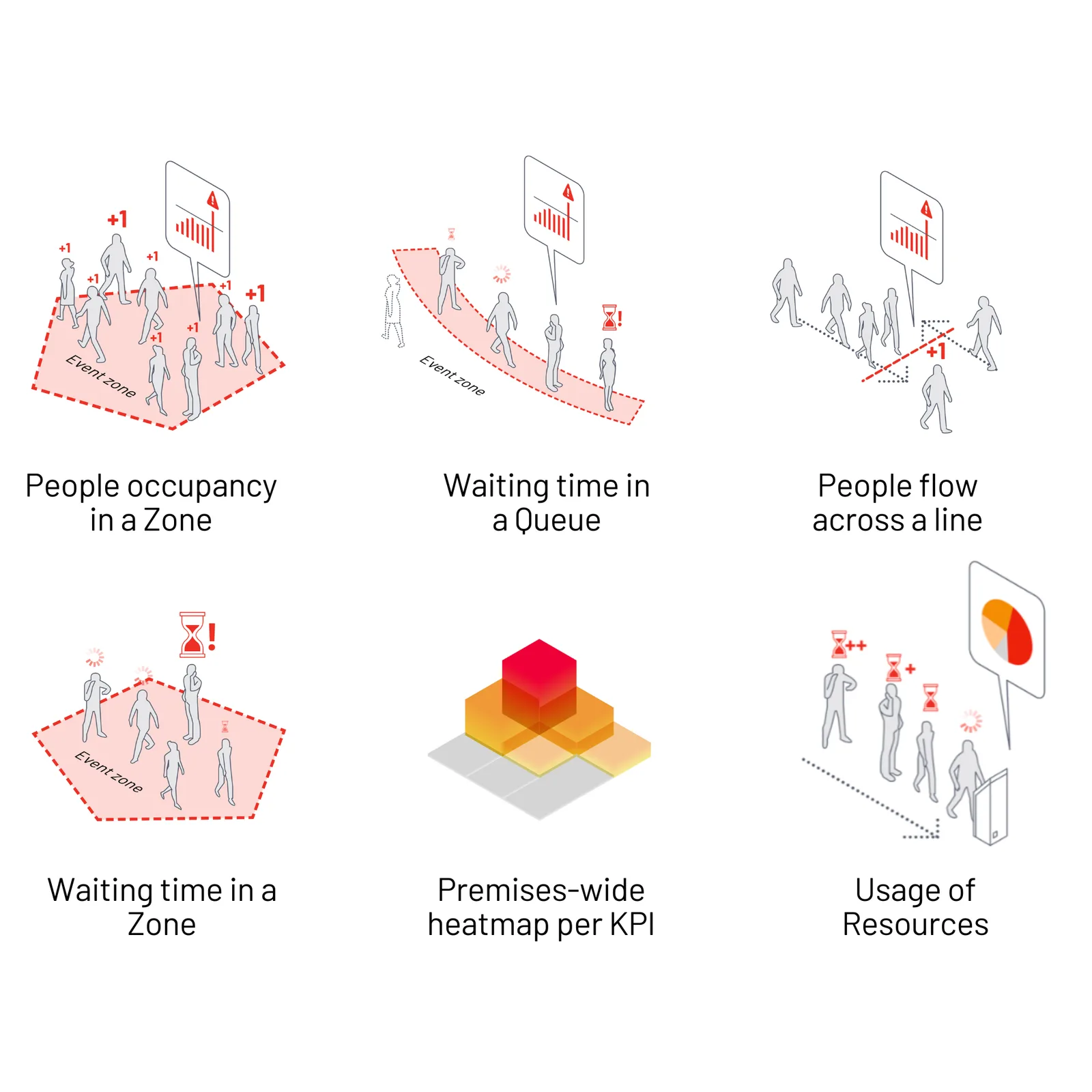
By monitoring the most frequented paths using zone-based KPIs, airports can enhance navigation, reduce unnecessary congestion, and plan for more optimized layouts.
How can LiDAR improve passenger’s experience in Airports
According to the New York Times, the cumulative wait time in airport queues is 37 billion hours. LiDAR Software can help.
Read article →

Technology Integration
Technology is playing an increasingly important role in enhancing passenger experience.
By utilizing 3D spatial data, airports can receive real-time crowd density updates, improving the overall airport experience.
Using this data, airports can provide passengers personalized suggestions for dining and shopping based on their location and estimated wait times.
Mobility
Efficient transportation within the airport, such as shuttles, trains, and taxis, plays a significant role in a passenger’s airport experience.
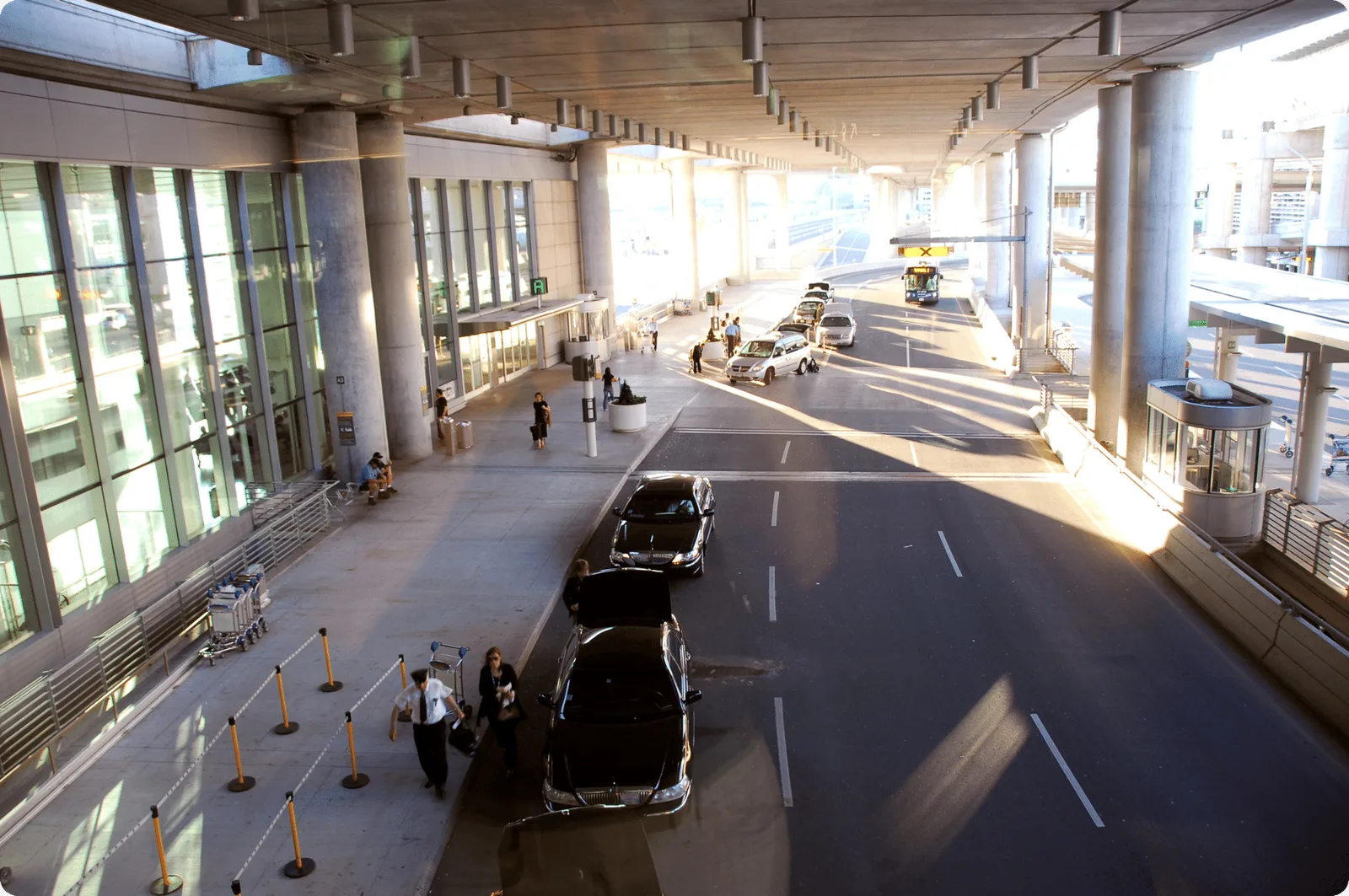
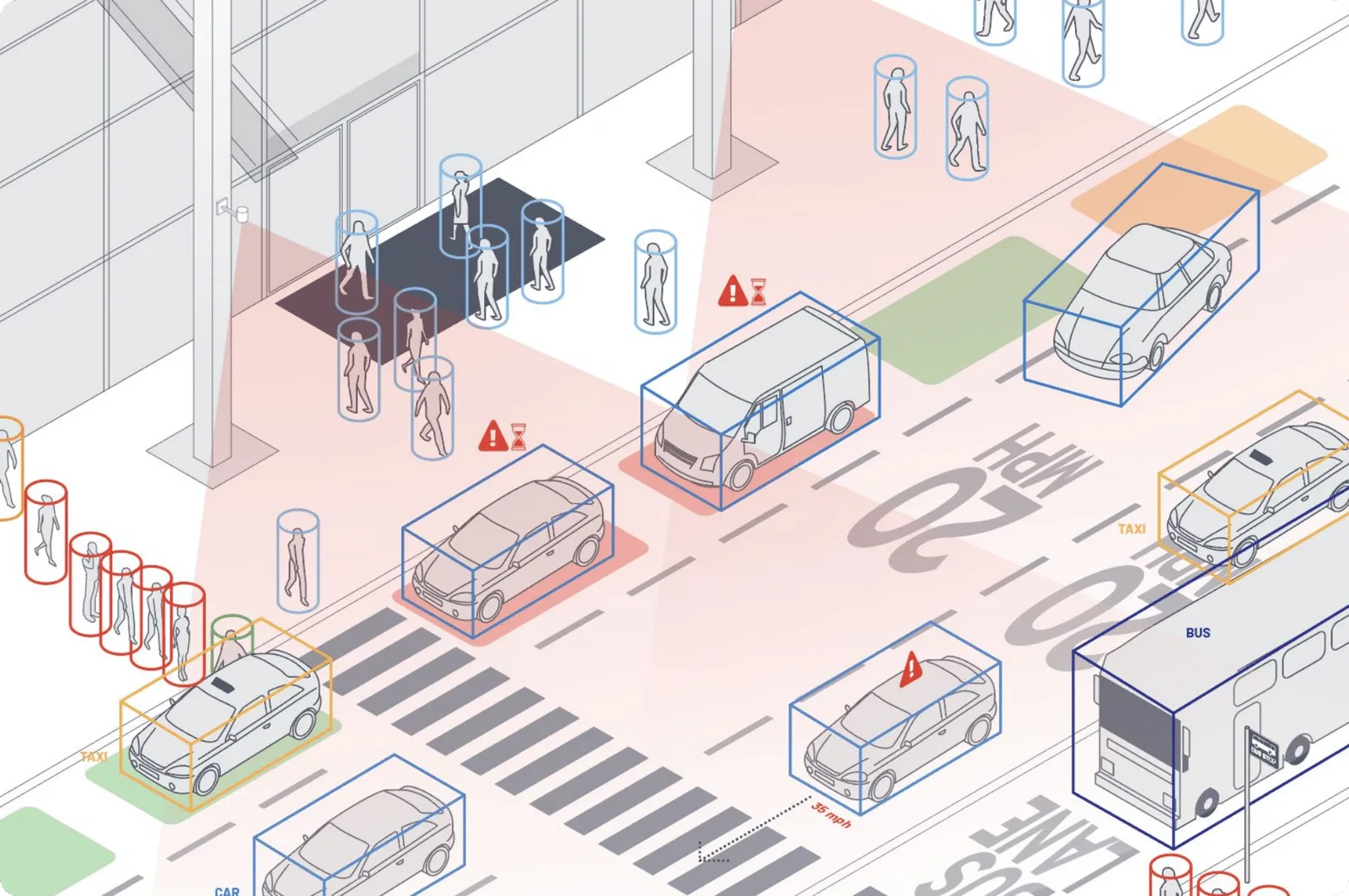
LiDAR technology enhances the management of curbside operations by monitoring people and vehicle flow, optimizing the use of drop-off and pick-up areas, and managing parking spaces effectively.
Optimizing Wait Times
Reducing wait times is a direct way to improve passenger satisfaction.
This allows for the dynamic adjustment of service counters and personnel deployment, significantly cutting down wait times.

Digital signs and real-time updates can further facilitate this, keeping passengers informed and reducing anxiety, especially for TSA wait times.
Outsight’s software provides precise data on queue lengths and passenger densities in real time.
These analytics allow airports to dynamically adjust queue layouts and open or close counters as needed, significantly reducing wait times.
Essential Strategies for Seamless Airport Journeys
Friction-less airport travel is now possible thanks to LiDAR-enabled computer vision. It offers comprehensive monitoring of people and vehicles from curbside to gate.
Read article →
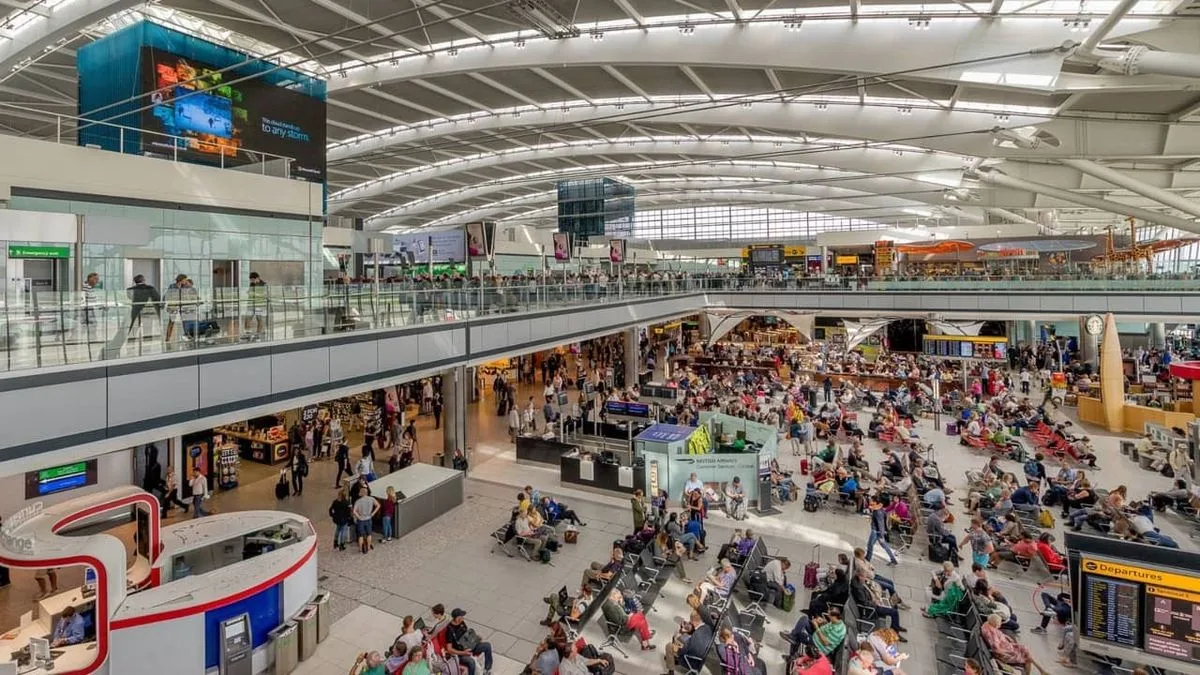
Predictive Analytics
Predictive analytics play an important role in forecasting passenger flows, allowing airports to prepare for peak times efficiently and allocate resources where they are most needed.
Outsight’s software solution provides detailed insights that enhance predictive analytics.
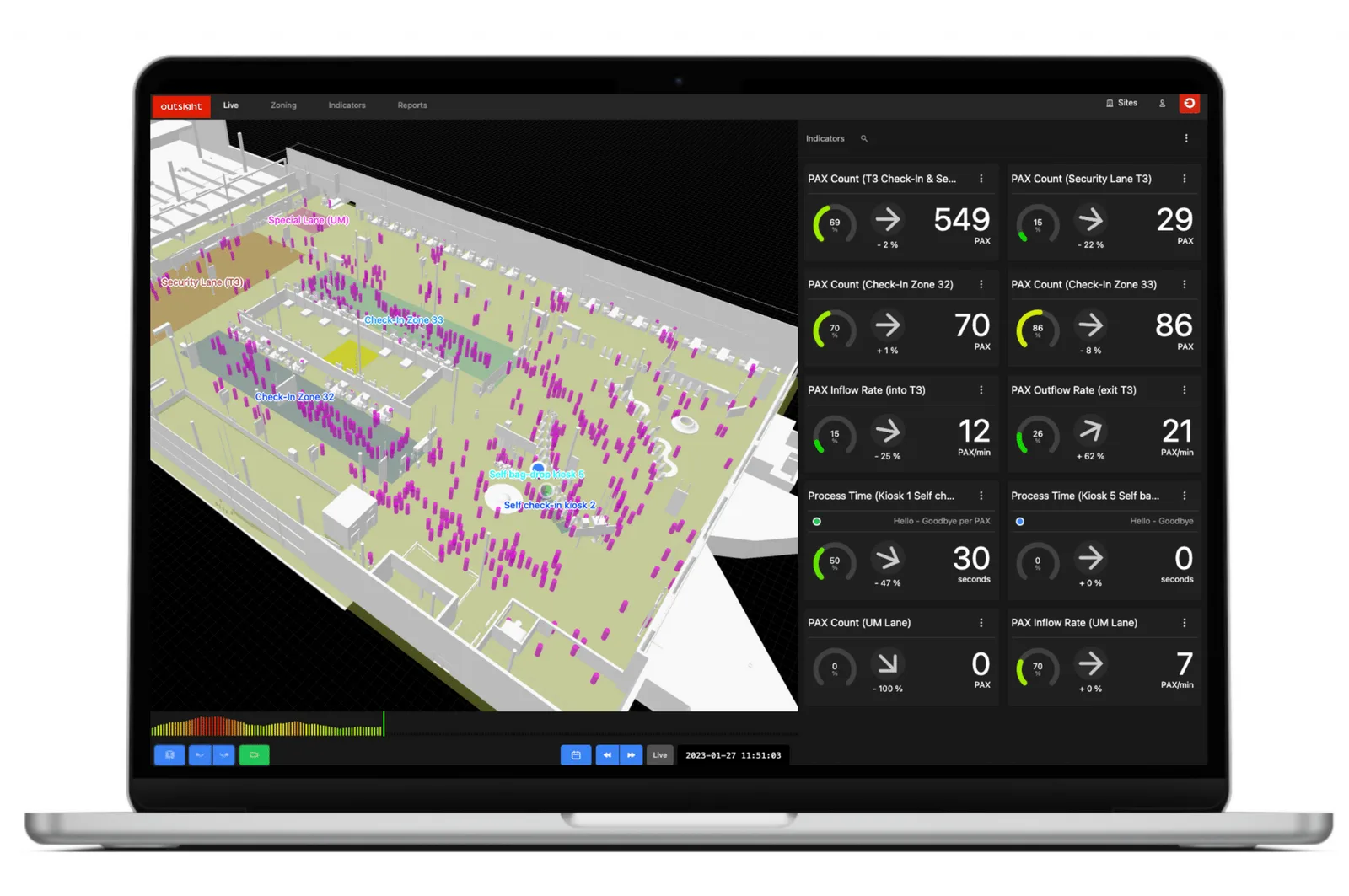
This proactive approach minimizes bottlenecks and enhances the travel experience by smoothing out potential disruptions before they impact passengers.
Conclusion
Integrating LiDAR technology into airport operations represents a forward-thinking approach to enhancing passenger flow, experience, and wait times.
This technology enables improved queue management, predictive analytics, and personalized passenger experiences, resulting in a more efficient and enjoyable airport journey.
With Outsight’s Physical AI software, airports can now monitor and manage passenger movements with unprecedented accuracy, optimize resource allocation, and provide real-time updates to passengers.
Ultimately, the adoption of LiDAR technology leads to a streamlined, stress-free, and pleasant airport experience, setting a new standard for air travel in the modern era.