Skip to content
Insights
People and Crowd management solutions using LiDAR

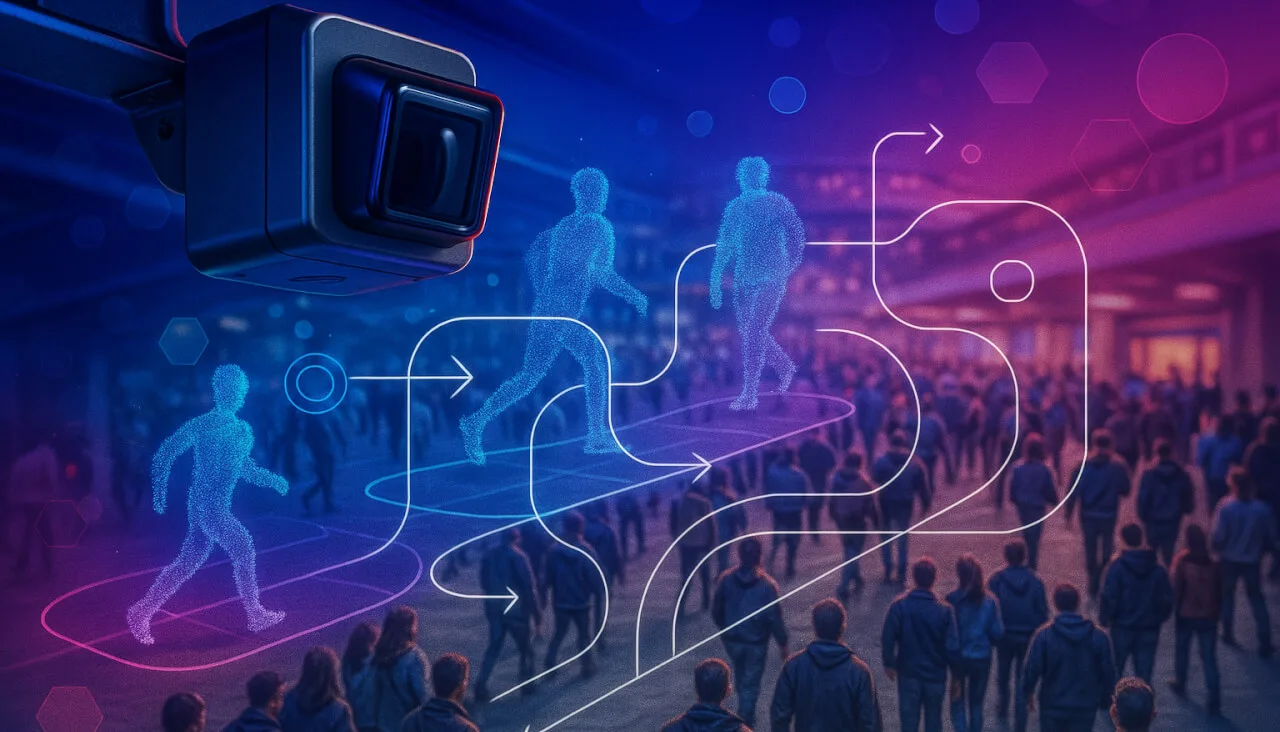
How Spatial AI Is Transforming Crowd Management in Modern Venues

Spatial AI and LiDAR enable venues to monitor crowds in real time, improving safety, guest experience, and privacy while optimizing operations.


Introduction

Smart venues, ranging from stadiums to exhibition centers, are increasingly turning to advanced technologies to manage large crowds, ensure safety, and deliver memorable experiences. Among these innovations, Spatial Intelligence stands out as a pivotal development.

By harnessing real-time 3D data from LiDAR sensors, venue operators can now perceive and understand movement within their spaces more accurately than ever before.

Outsight Selected for EntertainmentLAB’s Inaugural Accelerator Cohort

We are joining forces with Telenet to enhance crowd monitoring and communication in large venues.

Read article →

Spatial Intelligence is not just another technological upgrade; it represents the fourth major frontier in Artificial Intelligence after language, audio, and image-based systems. Its impact on venues is both immediate and measurable.

The Role of Spatial AI in Smart Venues

Spatial Intelligence solutions are designed specifically for environments where understanding crowd flow is essential.

Unlike traditional camera-based analytics that rely on visual cues subject to lighting or obstructions, these systems utilize LiDAR-generated 3D spatial data for uninterrupted monitoring.

For venue operators looking to optimize operations during concerts or sporting events:

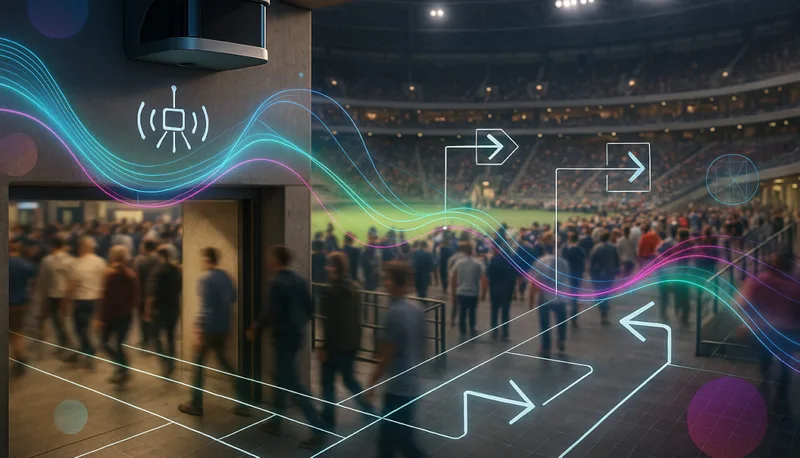
  • Real-time detection helps identify bottlenecks before they escalate.
  • Dynamic staff allocation becomes possible based on live crowd distribution.
  • Predictive modeling enables proactive responses during emergencies or surges.

How does Lidar work? (in detail)

3D LiDAR is a complex technology that enables unprecedented Spatial Intelligence. Many engineering choices are possible when building a new device.

Read article →

By integrating these capabilities into daily operations, venues can adapt quickly as conditions change throughout an event.

LiDAR: The Backbone of Accurate People Counting

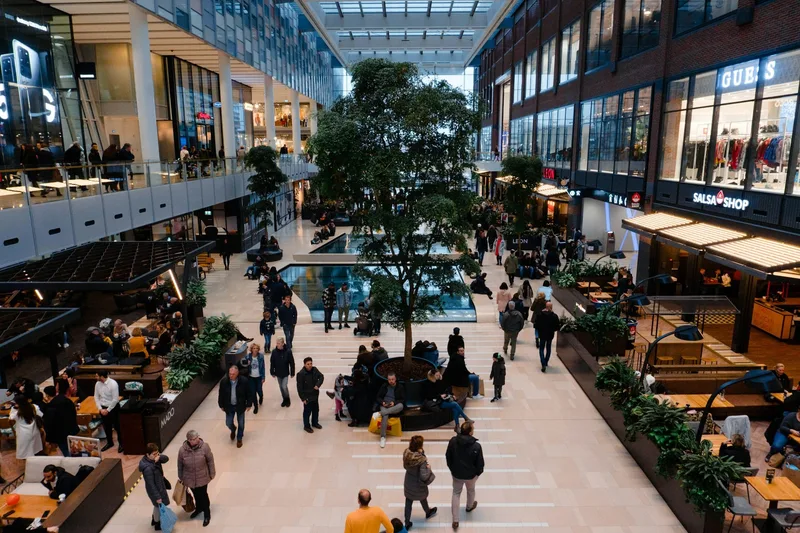
People counting has long been a challenge for large venues due to fluctuating attendance patterns and complex layouts. LiDAR technology addresses this by providing precise spatial measurements regardless of lighting conditions or crowd density.

With its ability to anonymously track thousands of individuals simultaneously without capturing personal identifiers or images, LiDAR ensures privacy while delivering reliable occupancy metrics around the clock.

Key advantages offered by modern people counting solutions powered by LiDAR include:

  • High accuracy even when visitors are clustered closely together.
  • Consistent performance indoors and outdoors, unaffected by shadows or glare.
  • Seamless integration with existing building management systems for automated reporting.

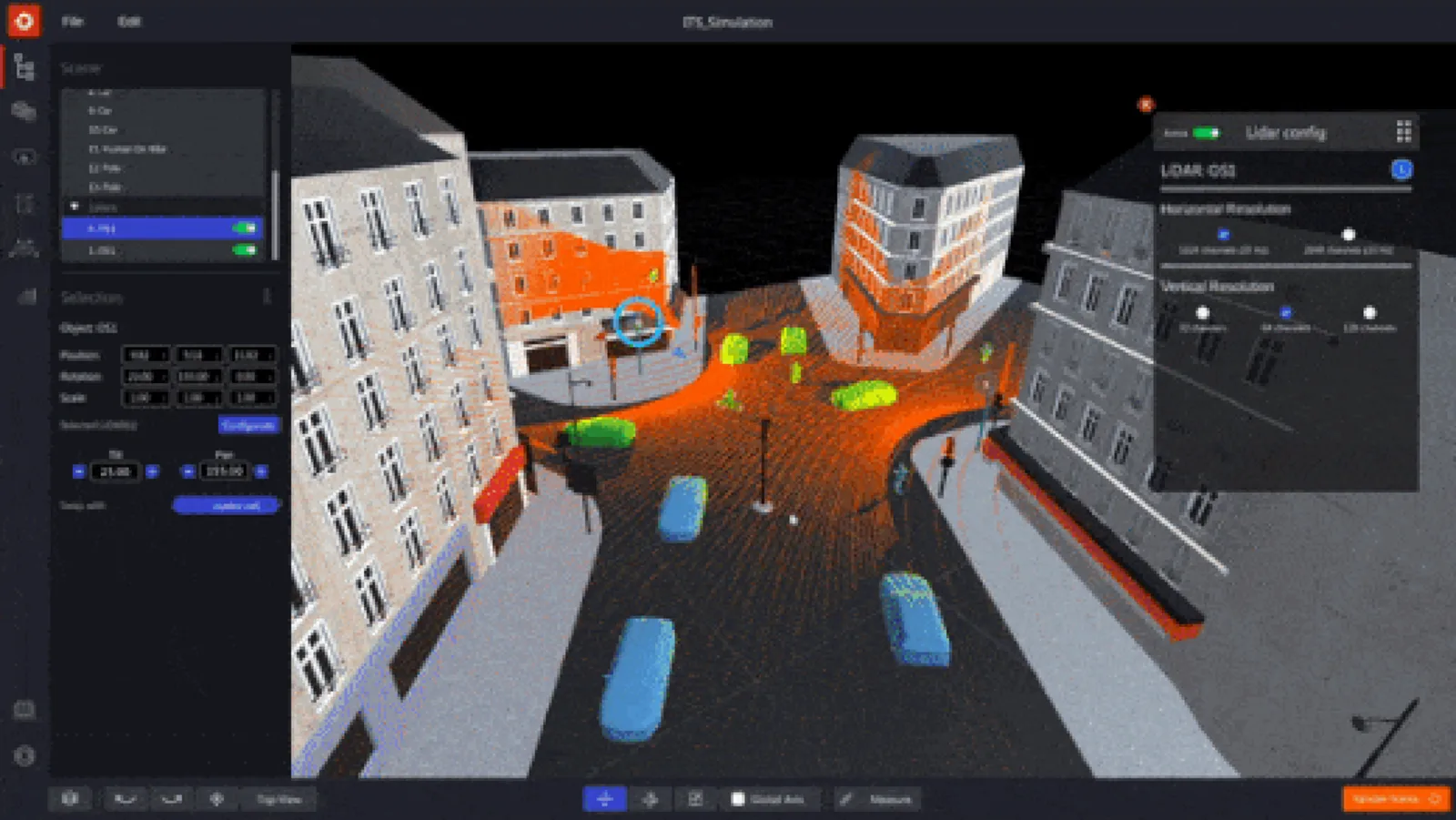
Introducing the first multi-vendor 3D LiDAR Simulator

Outsight has developed a LiDAR simulator for any use case and application, from airports to mobile robotics, smart cities and industrial applications.

Read article →
At Outsight, we have helped numerous international venues deploy scalable people counting platforms that support both operational efficiency and compliance requirements without compromising guest privacy.

Enhancing Safety and Visitor Experience Through Real-Time Insights

Crowd safety remains one of the highest priorities for any public venue. With real-time insights enabled by Spatial Intelligence platforms:

Operators benefit from actionable information such as:

  • Live heatmaps showing current visitor distribution across all zones.
  • Automated alerts when thresholds are exceeded in specific areas (e.g., exits).
  • Historical trend analysis supporting future event planning decisions based on actual usage patterns rather than estimates alone.

These tools empower staff not only to respond faster but also anticipate issues before they arise.

Improving overall guest satisfaction while maintaining regulatory compliance standards set forth for public gatherings worldwide is a direct result of these advancements.

Privacy, Compliance, and Operational Benefits

One critical advantage distinguishing modern Spatial Intelligence solutions from older surveillance methods is their inherent respect for individual privacy rights, a growing concern among guests attending large-scale events today.

Anonymous vs. Anonymized : Learn the Difference

Understanding Anonymity in Sensor Data: discover the inherent privacy characteristics of each type of Sensor data and the potential risks associated with anonymizing sensitive information

Read article →

Because no personally identifiable information is collected through anonymous point-cloud data generated via LiDAR sensors:

This approach supports strict adherence not only with local regulations but also global frameworks like GDPR, all while unlocking new levels of operational intelligence such as:

  • Automated queue management reducing wait times at concessions or restrooms.
  • Data-driven scheduling optimizing cleaning cycles based on actual footfall instead of fixed intervals.
  • Revenue optimization strategies informed by granular insights into peak usage periods throughout each event day.

Outsight Achieves SOC 2 Compliance

We are excited to share that Outsight has attained SOC 2 compliance, proving our commitment to safeguarding the security and privacy of customer data.

Read article →

By leveraging our expertise at Outsight leading venue operators have achieved measurable improvements across multiple KPIs, from resource allocation efficiency gains up through enhanced customer loyalty scores.

Conclusion: The Future of Venue Operations with Spatial Intelligence

As smart venues continue evolving alongside rising expectations from guests worldwide regarding comfort, convenience, and security alike, the adoption of robust, reliable technologies like those underpinning today’s best-in-class implementations will remain key differentiators for success in tomorrow’s marketplace.

Spatial Intelligence offers an unprecedented opportunity for venues seeking tangible improvements, not just theoretical possibilities, in how they operate and serve diverse audiences every single day.

Related Articles

SECURITY

How LiDAR Technology Enhances Modern Sports Venues

LiDAR technology transforms sports venues by enabling real-time crowd management, optimized security, and efficient resource allocation for a seamless fan experience.

SECURITY

Making Spaces Truly Smart with LiDAR based People Counting

Enhance efficiency, optimize costs, and ensure security in smart spaces, from retail outlets and offices to large venues and public areas.

Let's connect

Send us a Message

Drop your email and we'll get back to you as soon as possible.

Frequently Asked Questions

  • How does LiDAR-based crowd monitoring handle dense crowds where people are pressed together?

    In dense crowds, camera-based systems lose individuals when bodies overlap in the 2D image plane. LiDAR measures depth directly, so even when two people stand side by side or partially block each other from one sensor angle, the 3D point cloud registers two distinct volumes at different spatial coordinates. Fusing multiple sensors into a single shared point cloud (sometimes called shadowless perception) removes blind zones, allowing the system to maintain a separate tracked entity for each person with a persistent anonymous ID throughout the event. Outsight applies this principle at infrastructure scale through its Motional Digital Twin, where overlapping fields of view from fixed LiDAR sensors are merged in real time, a technique validated across high-density venues including SNCF train stations and major international airports.

  • What is the difference between people counting and crowd management in a venue context?

    People counting produces a number: how many individuals are in a zone at a given moment. Crowd management acts on that number and on the spatial distribution behind it. A management system tracks where each person is moving, how fast, whether a queue is forming, and whether density in a specific zone is approaching a safe threshold. Counting is an input; crowd management adds behavioral classification, predictive modeling, and automated alerting to turn that input into operational decisions before a situation becomes dangerous. Outsight's Motional Digital Twin applies exactly this distinction at infrastructure scale, using 3D LiDAR to move beyond headcounts and into continuous, real-time flow analysis across venues such as airports and train stations, where the difference between a count and a crowd management decision can determine whether an incident is prevented or merely recorded.

  • Can spatial AI predict a crowd crush before it happens?

    Predictive crowd safety works by monitoring density gradients and flow velocity simultaneously. When density in an area rises while exit flow slows, the system flags a compression risk before the crowd perceives it. The critical variable is latency: a pipeline running under 50ms can issue an alert fast enough for staff to redirect foot traffic or open additional exits before the situation escalates. Outsight's Motional Digital Twin operates on exactly this principle, using infrastructure-mounted LiDAR to track shape and motion in real time across venues such as SNCF train stations in France, where both density and directional flow are measured continuously. Static headcount thresholds alone cannot catch compression patterns because they ignore the directional flow component entirely.

  • How does a venue justify the cost of a LiDAR crowd monitoring system vs. hiring more security staff?

    The cost calculus shifts when staff are weighed against continuous, site-wide coverage. A human security team covers fixed patrol routes and responds after observing a problem; a spatial monitoring system covers every zone simultaneously and alerts staff before a threshold is crossed. Outsight's SHIFT platform, for example, builds a real-time Motional Digital Twin of every person moving through a venue, giving operators a persistent view across all zones rather than snapshots from individual patrols. Secondary cost recovery comes from dynamic scheduling: when the system shows actual footfall rather than assumed footfall, cleaning, concessions, and gate staffing can be right-sized per zone per hour, reducing labor hours while maintaining service levels. Across airport and transit deployments such as Dallas Fort Worth and SNCF stations, that operational efficiency gain often contributes meaningfully to the overall return-on-investment calculation.

  • What certifications matter when deploying a people-tracking platform at a public venue in Europe?

    GDPR compliance is the primary legal requirement for any deployment in the European Economic Area: the system must demonstrate that personal data is not processed without a lawful basis. LiDAR-based systems that never record faces, license plates, or biometric data satisfy this by design rather than by policy. Outsight's Motional Digital Twin operates on exactly this principle, capturing shape and motion only, which positions it as anonymous by definition rather than by configuration. Beyond GDPR, venues handling payment or operational data look for ISO 27001 (information security management) and SOC 2 (security and availability controls). Outsight holds both ISO 27001 and SOC 2 certifications, a combination that matters to procurement teams at public infrastructure operators such as airports and train stations across Europe.

  • Does crowd monitoring software need to be recalibrated for every event layout change?

    Sensor calibration is fixed to the physical mounting position and does not change when a stage, barrier, or concession stand moves. What does need updating is the analytics layer: zone definitions, threshold values, and heatmap boundaries are tied to the event floor plan. In a platform built around a 3D site model, operators update zone polygons in the digital twin to match the new layout, which propagates to all downstream KPIs and alerts without requiring physical sensor changes or full recalibration. Outsight's SHIFT platform follows exactly this pattern, maintaining a persistent Motional Digital Twin of the venue so that layout changes are applied as configuration updates to the 3D model rather than as hardware or calibration procedures.